Mitochondrial Therapy for Autoimmune Diseases: How Functional Mitochondria Support Immune Recovery, Tissue Regeneration, and Long-Term Health
Discover how mitochondrial therapy support recovery in autoimmune diseases. Learn the role of mitochondria in immune regulation, inflammation control…
Autoimmune diseases affect millions of people worldwide and remain one of the most challenging areas of modern medicine. Conditions such as Multiple Sclerosis (MS), Systemic Lupus Erythematosus (SLE), Rheumatoid Arthritis (RA), Parkinsonian syndromes with autoimmune and neuroinflammatory components, Hashimoto's thyroiditis, and other chronic inflammatory disorders are characterized by dysregulation of the immune system, chronic inflammation, oxidative stress, and progressive tissue damage.
Recent advances in mitochondrial biology have revealed that mitochondria play a central role not only in cellular energy production but also in immune regulation, inflammation control, tissue repair, and cellular signaling. As a result, mitochondrial dysfunction is increasingly recognized as a key contributor to the development and progression of autoimmune diseases. Read more about the role of mitochondria in aging:Mitochondrial Dysfunction: The Hidden Driver Behind Chronic Disease and Healthy Aging
At our clinic, we utilize advanced mitochondrial therapy based on active mitochondria isolated from stem cells and muscle cells as part of a comprehensive regenerative medicine program designed to support cellular recovery and optimize biological function.
What Are Mitochondria and Why Are They Important?
Mitochondria are often called the "powerhouses of the cell," but their function extends far beyond energy production.
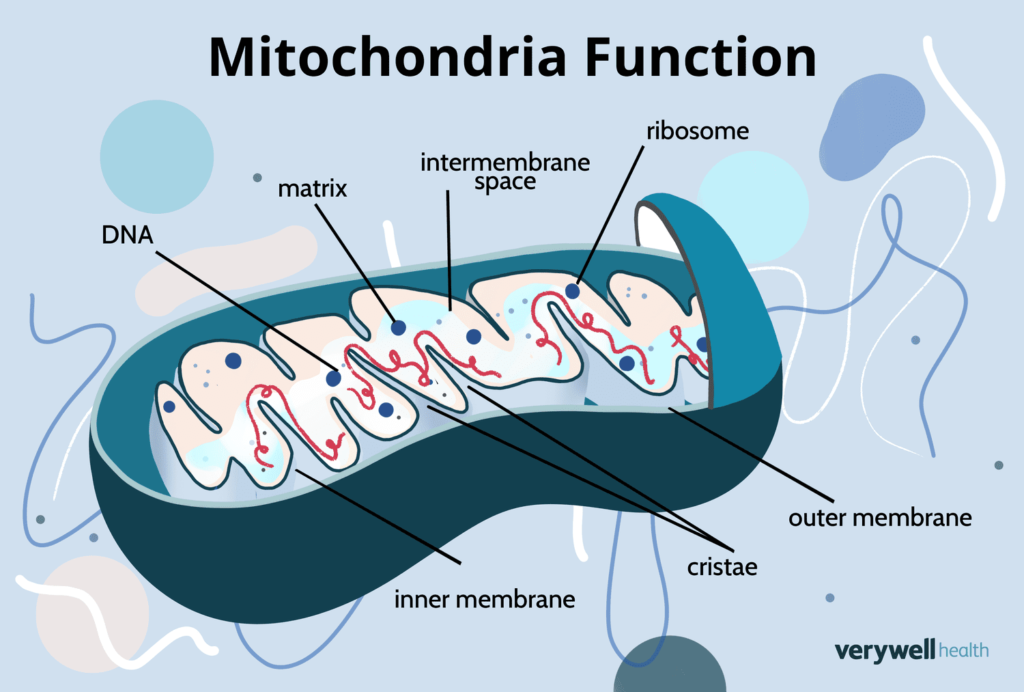
Healthy mitochondria are responsible for:
- ATP (cellular energy) generation
- Regulation of immune responses
- Control of oxidative stress
- Cellular communication
- Tissue regeneration
- Apoptosis (programmed removal of damaged cells)
- Regulation of inflammatory pathways
Every organ system depends on mitochondrial health. The brain, muscles, immune system, heart, liver, and endocrine organs are particularly sensitive to mitochondrial dysfunction.
When mitochondria become damaged, cells produce less energy and generate excessive reactive oxygen species (ROS), leading to chronic inflammation and immune dysregulation.
The Connection Between Mitochondria and Autoimmune Diseases
Over the past decade, numerous studies have demonstrated that mitochondrial dysfunction is a common feature of many autoimmune and chronic inflammatory disorders.
Researchers have observed:
- Reduced mitochondrial energy production
- Increased oxidative stress
- Impaired mitochondrial DNA integrity
- Altered immune cell metabolism
- Chronic activation of inflammatory pathways
- Accelerated cellular aging
Damaged mitochondria can release mitochondrial DNA (mtDNA) and other signaling molecules that may trigger abnormal immune activation.

This creates a vicious cycle:
Mitochondrial dysfunction → inflammation → immune dysregulation → tissue damage → further mitochondrial injury.
Breaking this cycle has become an important target in regenerative medicine.
Mitochondria and Multiple Sclerosis (MS)
Multiple Sclerosis is a chronic autoimmune disease in which the immune system attacks the protective myelin sheath surrounding nerve fibers.
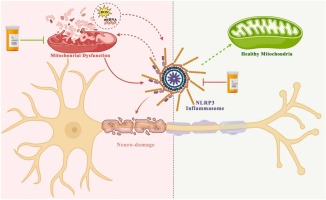
Research shows that patients with MS frequently exhibit:
- Reduced mitochondrial function in neurons
- Increased oxidative stress
- Energy deficiency in brain tissue
- Progressive neurodegeneration
Mitochondrial dysfunction contributes to:
- Fatigue
- Muscle weakness
- Cognitive impairment
- Disease progression
Restoring mitochondrial activity may support:
- Cellular energy production
- Neuronal resilience
- Reduction of oxidative damage
- Recovery processes within nervous tissue
- Discover new treatment protocol of MS therapy with stem cells:Stem Cell Therapy for Multiple Sclerosis (MS) | Treatment Options; Benefits
Mitochondria and Systemic Lupus Erythematosus (Lupus)
Lupus is characterized by widespread immune activation and chronic inflammation affecting multiple organs.
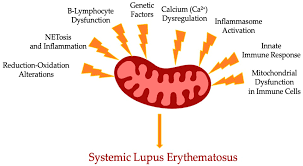
Studies have identified:
- Abnormal mitochondrial metabolism in immune cells
- Increased release of mitochondrial DNA
- Enhanced production of inflammatory cytokines
- Elevated oxidative stress
Mitochondrial dysfunction appears to contribute directly to the hyperactive immune response observed in lupus patients.
Supporting mitochondrial health may help improve cellular resilience and reduce metabolic stress associated with chronic inflammation. Find out more information about lupus treatment with stem cells: Stem cell therapy for systemic lupus erythematosus
Mitochondria and Rheumatoid Arthritis
Rheumatoid Arthritis is a systemic autoimmune condition that primarily affects the joints.
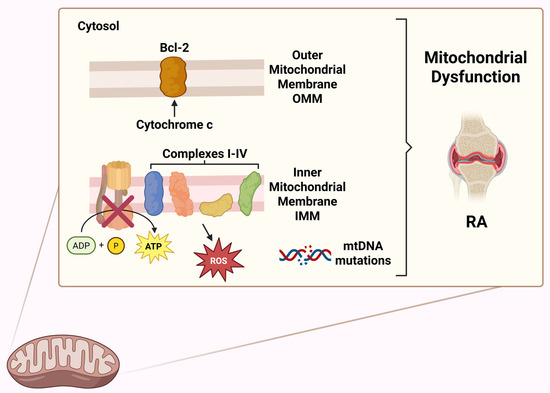
Research demonstrates that synovial tissues in RA patients often show:
- Mitochondrial damage
- Increased ROS production
- Impaired energy metabolism
- Persistent inflammatory signaling
These abnormalities contribute to:
- Joint pain
- Swelling
- Cartilage degeneration
- Progressive joint destruction
Improving mitochondrial function may support tissue repair mechanisms and help optimize the cellular environment involved in joint recovery. Pay attention to the new therapy protocol of RA treatment with stem cells: Stem Cells Treatment for Osteoarthritis and Joint Support
Mitochondria and Parkinsonian Disorders
Although Parkinson's disease is traditionally classified as a neurodegenerative disorder rather than a classic autoimmune disease, increasing evidence suggests that neuroinflammation and immune dysregulation play important roles in disease progression.
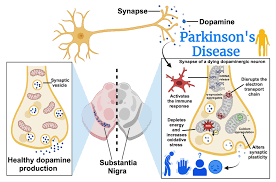
Mitochondrial abnormalities are among the most consistently observed findings in Parkinsonian syndromes.
Researchers have identified:
- Impaired mitochondrial respiration
- Reduced ATP production
- Excessive oxidative stress
- Dysfunctional neuronal energy metabolism
These changes contribute to degeneration of dopamine-producing neurons.
Mitochondrial restoration strategies are being actively investigated as potential approaches to support neuronal health and functional recovery. See effective stem cell treatment protocol of Parkinson's disease : Stem Cell Treatment of Parkinson';s disease: A Regenerative and Neuroprotective Approach
Other Autoimmune and Inflammatory Conditions Associated with Mitochondrial Dysfunction
Mitochondrial abnormalities have also been reported in:
- Hashimoto's Thyroiditis
- Sjögren's Syndrome
- Psoriasis
- Inflammatory Bowel Disease (IBD)
- Crohn's Disease
- Ulcerative Colitis
- Chronic Fatigue Syndrome
- Fibromyalgia
- Autoimmune Neuropathies
Across these conditions, mitochondrial dysfunction frequently correlates with inflammation severity, fatigue, and impaired tissue recovery.
How Mitochondrial Therapy Works
Mitochondrial therapy aims to improve cellular function by introducing highly active, biologically functional mitochondria into the therapeutic environment.
At our clinic, we utilize active mitochondria isolated from carefully selected stem cell sources and muscle cells.
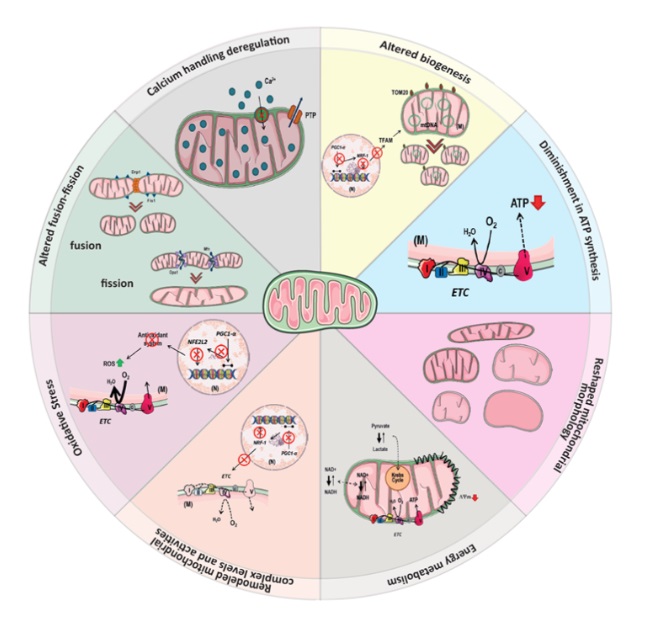 These mitochondria are characterized by:
- High bioenergetic capacity
- Robust ATP-generating potential
- Strong metabolic activity
- Cellular signaling capabilities
Potential mechanisms include:
1. Restoration of Cellular Energy Production
Healthy mitochondria may support ATP generation in metabolically compromised tissues.
2. Reduction of Oxidative Stress
Improved mitochondrial performance may help decrease excessive reactive oxygen species production.
3. Immune System Modulation
Mitochondria influence immune cell metabolism and may help support balanced immune responses.
4. Tissue Regeneration Support
Functional mitochondria participate in cellular repair processes and tissue recovery mechanisms.
5. Neuroprotection
Improved cellular bioenergetics may support neurons exposed to chronic inflammatory or degenerative stress.
Patient Guide: What to Expect During Mitochondrial Therapy
Initial Evaluation
Every patient undergoes a comprehensive assessment including:
- Medical history review
- Autoimmune disease evaluation
- Laboratory testing
- Functional assessment
- Review of previous treatments
Personalized Treatment Planning
Treatment protocols are individualized based on:
- Diagnosis
- Disease severity
- Functional status
- Treatment goals
- Overall health condition
Treatment Course
The therapeutic program may include:
- Active mitochondrial therapy
- Regenerative medicine protocols
- Cellular support therapies
- Nutritional optimization
- Lifestyle interventions
- Follow-up monitoring
Potential Benefits
Patients may experience improvements in:
- Energy levels
- Physical endurance
- Recovery capacity
- Cognitive function
- Overall quality of life
- Functional performance
- Stopping disease progression
Response varies among individuals and depends on disease stage, duration, and overall health status.
Limitations of Mitochondrial Therapy
It is important to understand that mitochondrial therapy is not currently considered a cure for autoimmune diseases.
Current limitations include:
- Ongoing clinical research
- Variable patient response
- Disease-specific outcomes
- Need for comprehensive medical management
Mitochondrial therapy should be viewed as a component of an integrative regenerative medicine strategy rather than a replacement for standard medical care.
Basic Mitochondrial Therapy Protocol
A typical treatment program may include:
Phase 1: Assessment and Preparation
- Medical consultation
- Diagnostic review
- Personalized treatment design
Phase 2: Mitochondrial Therapy
- Administration of active mitochondria derived from MSC stem cell and muscle cell sources
- Cellular support interventions
- Monitoring of clinical response
Phase 3: Recovery and Optimization
- Follow-up evaluations
- Functional monitoring
- Lifestyle and nutritional support
Phase 4: Long-Term Maintenance
- Periodic reassessment
- Individualized booster protocols when appropriate
- Ongoing health optimization
The Future of Autoimmune Disease Treatment
The growing understanding of mitochondrial biology is transforming the way researchers view autoimmune and inflammatory diseases.
Rather than focusing solely on suppressing immune activity, modern regenerative medicine increasingly seeks to restore cellular health, improve energy metabolism, and support the body's natural repair mechanisms.
Mitochondrial therapy represents a promising frontier in this evolution.
As scientific evidence continues to expand, mitochondria may become an increasingly important target for improving outcomes in patients with autoimmune disorders, neurodegenerative diseases, and chronic inflammatory conditions.

FAQ
-
What is mitochondrial therapy?
Mitochondrial therapy is an emerging regenerative medicine approach designed to support cellular function by improving mitochondrial activity, energy production, and cellular repair mechanisms.
-
How are mitochondria connected to autoimmune diseases?
Mitochondria regulate immune responses, inflammation, and cellular metabolism. Dysfunctional mitochondria can contribute to chronic inflammation and immune dysregulation observed in many autoimmune conditions.
-
Can mitochondrial dysfunction worsen autoimmune diseases?
Research suggests that impaired mitochondrial function may increase oxidative stress, inflammation, and tissue damage, potentially contributing to disease progression.
-
Which autoimmune diseases are associated with mitochondrial dysfunction?
Studies have reported mitochondrial abnormalities in Multiple Sclerosis, Lupus, Rheumatoid Arthritis, Hashimoto's Thyroiditis, Sjögren's Syndrome, Psoriasis, Crohn's Disease, and other chronic inflammatory conditions.
-
How does mitochondrial therapy support recovery?
Mitochondrial therapy aims to improve cellular energy production, reduce oxidative stress, support tissue repair, and optimize immune cell metabolism.
-
What role do mitochondria play in Multiple Sclerosis?
Mitochondria provide energy to neurons and support myelin maintenance. Mitochondrial dysfunction may contribute to neurodegeneration and fatigue in MS patients.
-
Can mitochondrial therapy help patients with Lupus?
Mitochondrial support may help improve cellular resilience and reduce metabolic stress associated with chronic inflammation, although outcomes vary among individuals.
-
Why are mitochondria important in Rheumatoid Arthritis?
Joint tissues affected by rheumatoid arthritis often show mitochondrial damage, increased oxidative stress, and impaired energy metabolism.
-
How are mitochondria involved in Parkinson's disease?
Mitochondrial dysfunction is considered one of the key biological mechanisms involved in Parkinson's disease and other neurodegenerative disorders.
-
What sources of mitochondria are used in therapy?
Our clinic utilizes active mitochondria isolated from stem cell sources and muscle cells, selected for their metabolic activity and bioenergetic potential.
-
Is mitochondrial therapy a replacement for conventional treatment?
No. Mitochondrial therapy should be considered a complementary regenerative medicine approach and not a substitute for evidence-based medical treatment.
-
What are the potential benefits of mitochondrial therapy?
Potential benefits may include improved energy levels, enhanced recovery capacity, better physical performance, and support for overall cellular health.
-
Is mitochondrial therapy safe?
Safety depends on the specific protocol, patient condition, and clinical setting. All patients should undergo a comprehensive medical evaluation before treatment.
-
How long does mitochondrial therapy take?
Treatment protocols vary depending on diagnosis, disease severity, and individual treatment goals. Personalized plans are developed for each patient.
-
Who may be a candidate for mitochondrial therapy?
Patients with autoimmune diseases, chronic inflammation, neurodegenerative conditions, chronic fatigue, or age-related cellular dysfunction may be evaluated for eligibility.
Recommended Scientific References
1. Mitochondria in Autoimmune Diseases
Article: "Mitochondria in Autoimmunity"
Link: https://pubmed.ncbi.nlm.nih.gov/30866434/
Summary: Reviews how mitochondrial dysfunction contributes to immune dysregulation, inflammation, oxidative stress, and the development of autoimmune diseases. Explains the role of mitochondrial DNA as an inflammatory trigger.
2. Mitochondrial Dysfunction in Multiple Sclerosis
Article: "Mitochondrial Dysfunction in Multiple Sclerosis"
Link: https://pubmed.ncbi.nlm.nih.gov/29622593/
Summary: Discusses mitochondrial damage in neurons and oligodendrocytes, its role in neurodegeneration, fatigue, and progression of Multiple Sclerosis, and potential therapeutic strategies targeting mitochondria.
3. Mitochondria and Systemic Lupus Erythematosus
Article: "Mitochondria and Oxidative Stress in Systemic Lupus Erythematosus"
Link: https://pubmed.ncbi.nlm.nih.gov/31590489/
Summary: Describes how mitochondrial abnormalities and oxidative stress contribute to excessive immune activation and inflammation in lupus patients.
4. Mitochondria and Rheumatoid Arthritis
Article: "Mitochondrial Dysfunction in Rheumatoid Arthritis"
Link: https://pubmed.ncbi.nlm.nih.gov/33808235/
Summary: Examines mitochondrial metabolic alterations in synovial tissues and immune cells, highlighting their role in chronic inflammation and joint destruction.
5. Mitochondrial Dysfunction in Parkinson's Disease
Article: "Mitochondrial Dysfunction and Parkinson's Disease"
Link: https://pubmed.ncbi.nlm.nih.gov/33986207/
Summary: Reviews evidence linking mitochondrial impairment, oxidative stress, and defective cellular energy production to the loss of dopaminergic neurons in Parkinson's disease.
Mitochondria are central regulators of immune function, inflammation, energy production, and tissue regeneration. Growing evidence suggests that mitochondrial dysfunction contributes significantly to the development and progression of autoimmune diseases such as Multiple Sclerosis, Lupus, Rheumatoid Arthritis, and Parkinsonian disorders.
By supporting cellular bioenergetics and promoting regenerative processes, mitochondrial therapy may offer a novel approach to complement conventional treatment strategies and help patients pursue improved health, recovery, and quality of life.
Disclaimer: Mitochondrial therapy is an evolving field of regenerative medicine. Clinical outcomes may vary among individuals. Patients should consult qualified healthcare professionals regarding diagnosis, treatment options, and suitability for therapy.