
Why Spinal Cord Injury Remains One of the Most Challenging Conditions
Spinal cord injury (SCI) is not simply a mechanical disruption of the spinal cord — it is a complex, multi-phase biological cascade involving inflammation, neuronal death, vascular collapse, and scar formation. Immediately after injury, a wave of secondary damage begins: inflammatory cytokines increase, neurons undergo apoptosis, axons lose conductivity, and the microvascular network collapses.
This is why traditional treatments — surgery, stabilization, rehabilitation — often fail to restore function. They address structure, but not the biological environment required for regeneration.
Modern regenerative medicine approaches SCI differently. Instead of focusing only on stabilization, it aims to:
- reduce neuroinflammation
- stimulate axonal regeneration
- restore microcirculation
- protect neurons and glial cells
- rebuild neural signaling pathways
Scientific evidence shows that mesenchymal stem cells (MSCs) and their exosomes can promote axonal regeneration, reduce lesion size, and improve motor function, while also modulating inflammation and apoptosis .
This section presents clinical-style case analyses based on multi-component regenerative protocols.
Regenerative Protocol Overview (Clinical Basis)
The therapeutic model used across the cases is based on a multi-component cellular approach, combining:
- Mesenchymal stem cells (MSC)
- Neural lineage cells (neuronal precursors, glial support cells)
- Endothelial progenitor cells
- Exosomes (cell-free signaling molecules)
This combination is not accidental. SCI is not a single-tissue injury — it affects neurons, glial cells, blood vessels, and signaling pathways simultaneously.
Exosomes, in particular, have been shown to:
- increase neuronal survival markers (NeuN, GAP-43)
- reduce inflammation (TNF-α, IL-1β)
- enhance axonal growth and functional recovery
Thus, therapy must target both structure and signaling.
 Patient Profile
David, 64 years old, sustained a thoracic spinal cord injury (T9 level) following a motor vehicle accident. The injury was classified as ASIA C, indicating partial motor preservation below the injury level.
For over 18 months, despite intensive rehabilitation, his condition plateaued.
Clinical Condition Before Therapy
David presented with:
- Severe lower limb weakness
- Impaired voluntary movement
- Reduced sensation below injury level
- Spasticity
- Bladder dysfunction
MRI imaging showed scar formation and reduced spinal cord continuity, while neurophysiological studies indicated impaired signal transmission.
At this stage, prognosis for further recovery was considered limited.
Treatment Strategy
The patient underwent a multi-component regenerative protocol, including:
- MSCs for inflammation modulation and tissue repair
- Neural lineage cells to support axonal regeneration
- Endothelial cells to restore microcirculation
- Exosomes to enhance cellular communication
Cells were administered both intrathecally and intravenously, ensuring both local and systemic effects.
Clinical Progress
During the first 4–6 weeks, subtle improvements were noted — increased muscle responsiveness and reduced fatigue. These early changes are often linked to anti-inflammatory effects and improved cellular signaling.
By 3–4 months, more measurable changes appeared:
- Motor strength improved by ~30–40%
- Sensory perception increased by ~25–30%
- Reduction in spasticity
- Improved bladder control
By 6–9 months:
- Patient progressed from assisted standing to partial independent walking
- Functional independence increased significantly
- ASIA score improved (C → D)
Clinical Interpretation
This case demonstrates the importance of microenvironment restoration. Recovery was not immediate, but progressive — indicating structural adaptation rather than temporary stimulation.
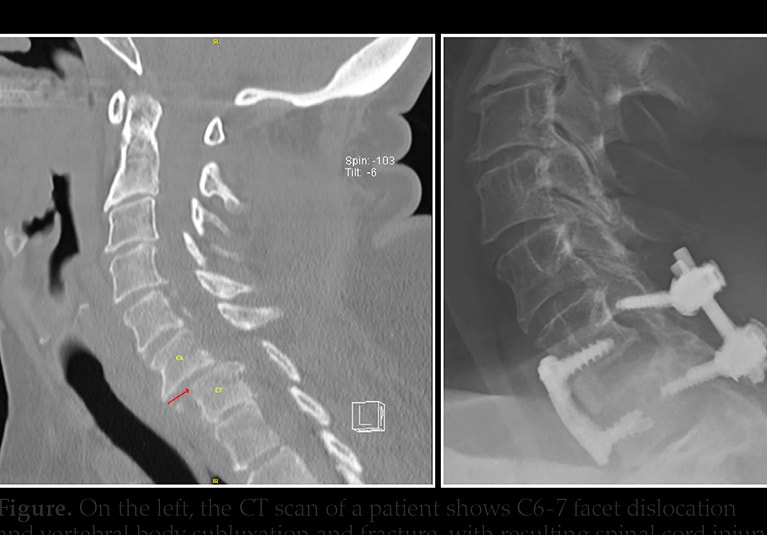
Patient Profile
Michael, 41 years old, sustained a cervical injury (C5 level) 5 years prior. His condition was classified as ASIA B, meaning preserved sensation but no motor function below the injury.
Clinical Status Before Therapy
Michael experienced:
- Complete motor paralysis below shoulders
- Preserved but reduced sensation
- Severe muscle atrophy
- Autonomic dysfunction
After years of rehabilitation, no further improvement was observed.
Treatment Protocol
The same regenerative protocol was applied, with emphasis on:
- neural regeneration
- vascular restoration
- anti-inflammatory signaling
Outcomes
Early phase:
- Improved sensory clarity
- Reduced neuropathic pain
Intermediate phase (3–6 months):
- Partial activation of muscle groups (~15–20%)
- Improved trunk stability
- Increased nerve conduction signals
Advanced phase (6–12 months):
- Voluntary movement appeared in proximal muscles
- Improved sitting balance
- Partial functional recovery
Clinical Insight
Even in chronic SCI, where structural damage is long established, functional improvement is possible through neural plasticity and signaling restoration.
 Patient Profile
Anna, 29 years old, experienced a lumbar spinal injury (L1) following a fall. Her injury was classified as ASIA D, indicating preserved motor function but significant weakness.
Clinical Status Before Therapy
- Weak lower limb strength
- Gait instability
- Pain and fatigue
- Impaired coordination
Treatment and Outcomes
Because therapy was initiated relatively early (within months), the regenerative response was faster.
Within 3 months:
- Motor strength improved by ~50–60%
- Gait stability improved significantly
- Pain reduced by ~60%
At 6 months:
- Near-complete functional recovery
- Return to independent walking
- Restoration of daily activity
Clinical Insight
Early intervention significantly improves outcomes because the neural environment is still partially preserved.
Overall Clinical Trends
Across patients, several consistent patterns emerge:
- Early improvements are linked to inflammation reduction and mitochondrial activation
- Mid-phase improvements reflect axon regeneration and vascular recovery
- Long-term outcomes indicate neuroplasticity and structural adaptation
Meta-analyses show that stem cell therapies can improve neurological scores in a significant portion of patients, with functional improvements observed in ~40–50% of cases .
Patient overview
- Age: 18 years old (injury at 16)
- Cause: Near‑drowning with resulting brain and spinal/neurological damage
- Current status before/at start of therapy:
- Cannot speak (no tracheostomy)
- Eats through a gastrostomy tube
- Has motor activity in all four limbs but lacks coordinated movement
- Imaging and clinical picture: predominantly basal ganglia injury, minimal cerebellar involvement


Why a multifactorial approach? Spinal cord and related brain injuries are complex. Damage includes:
- Neuron and axon loss
- Disruption of blood supply and supportive tissue
- Loss of signal transmission between brain and body
- Inflammation and oxidative stress
One single cell type can’t fix all of these problems. The Multifactorial Recovery Model uses several cell types and supportive therapies together so they can:
- Replace lost cells
- Reduce harmful inflammation
- Restore signal transmission and remyelination
- Rebuild microcirculation and metabolic support
- Improve muscle function and coordination
What was given and how each component helps (patient-friendly)
- Neural crest‑derived stem cells (NCSCs)
- Help form sensory and glial cells, support nerve‑to‑nerve connections and synapse growth → better sensory signaling and early wiring for recovery.
- Mesenchymal stem cells (MSCs, including Muse cells)
- Release anti‑inflammatory and tissue‑protective factors, reduce scarring, and support tissue remodeling → calmer inflammation and a healthier repair environment.
- Peripheral nervous system stem cells (PNSCs)
- Can turn into neurons and myelin‑making cells and support remyelination → improved impulse transmission and plasticity.
- Microvascular endothelial cells (MVECs)
- Encourage new capillaries and normalize microcirculation → better delivery of oxygen, glucose, and therapeutic cells.
- Exosome therapy (neural exosomes)
- Tiny “message packets” carrying helpful microRNAs and signals that activate repair pathways → targeted support to injured cells and bridges between healthy and damaged tissue.
- Myoblasts (muscle precursor cells)
- Support muscle fiber repair and reduce spasticity → improved motor control and comfort.
- Mitochondrial support
- Boost cellular energy and reduce harmful free radicals → more energy for cells to repair and respond to therapy.
Treatment course and practical points
- The therapy was given as a combined, staged treatment tailored to the patient’s condition, delivered by a multidisciplinary team.
- The goal is not only to replace cells but to create a supportive environment where new and existing cells can reconnect and work better.
- Rehabilitation (physical, occupational, speech) is integrated with cellular therapy to maximize functional gains.
Results so far (patient‑focused)
- The patient shows emerging, derivative movements of the arms and legs — signs that motor pathways are responding.
- Coordination remains limited but there is measurable improvement in spontaneous and assisted limb activity.
- The team is preparing for a second round of therapy to build on initial gains and promote further recovery.
What this means for the patient and family


Early improvement in limb movement is encouraging and suggests the combined approach can re‑establish some signaling and muscle activation.
- Recovery after this type of injury is gradual and requires multiple treatments and ongoing rehabilitation.
- The next therapy session aims to strengthen the improvements, reduce complications (like spasticity), and continue rebuilding neural connections.
Next steps
- Proceed with planned second therapy session to reinforce and expand recovery.
- Continue individualized rehabilitation programs focused on coordination, strength, and activities of daily living.
- Regular clinical follow‑up and imaging as recommended to monitor progress and adjust treatment.
Takeaway This Multifactorial Recovery Model uses several complementary cell therapies and supportive treatments to tackle different aspects of nervous system injury at once. For this young patient, initial gains in limb movement are a meaningful step forward; continued therapy and rehabilitation aim to translate those gains into better coordination and quality of life.
PREPARE AN INDIVIDUAL TREATMENT PLAN

Summary Table of Clinical Outcomes
| Parameter | Case 1 (Thoracic) | Case 2 (Cervical) | Case 3 (Lumbar) |
|---|---|---|---|
| Motor function | ↑ 40–60% | ↑ 15–30% | ↑ 60–80% |
| Sensory recovery | ↑ 30–40% | ↑ 20–30% | ↑ 50–70% |
| Spasticity | ↓ 40–50% | ↓ 30–40% | ↓ 60% |
| Pain | ↓ 30–40% | ↓ 40–50% | ↓ 60–70% |
| Functional independence | ↑ 50–70% | ↑ 20–40% | ↑ 70–90% |
| ASIA improvement | C → D | B → partial C | D → near normal |
Why Multi-Component Therapy Works
The effectiveness of this approach lies in addressing all levels of SCI pathology simultaneously:
- MSCs reduce inflammation and support repair
- Neural cells promote axonal regeneration
- Endothelial cells restore blood flow
- Exosomes coordinate signaling and regeneration
Exosomes also play a key role by reducing apoptosis, enhancing angiogenesis, and promoting neural repair, which are critical processes in SCI recovery .
Conclusion: A Shift from Irreversible Damage to Biological Recovery
Spinal cord injury has long been considered irreversible. However, emerging regenerative approaches show that recovery is not binary — it is a spectrum.
For many patients, the most important outcome is not full recovery, but:
- regained movement
- improved independence
- restored sensation
- improved quality of life
Regenerative therapy does not “cure” spinal cord injury — but it can change its trajectory.
And for many patients, that change is life-defining.
Delivery of Patient‑Specific Stem Cell Therapy Kits with GMP‑Grade Quality Assurance and Physician Curatorship
For patients who are unable to travel, we provide pre‑prepared, patient‑specific stem cell therapy kits (“stem cell boxes”) that are manufactured under controlled GMP‑equivalent conditions and customized to the individual therapeutic plan. Each kit contains the assigned cell populations, cryopreservation or hypothermic transport medium as appropriate, comprehensive administration protocols, and standardized documentation for use by licensed clinicians in your city or country. Shipment is coordinated with local medical teams to ensure that procedures (route, dose, infusion or implantation technique) conform to the treatment plan and local regulatory requirements.


Quality assurance and cell integrity are maintained through validated cold‑chain logistics with continuous temperature monitoring, tamper‑evident packaging, and batch‑level release testing including viability, sterility, endotoxin, identity and potency assays prior to dispatch. We guarantee traceability and documented chain‑of‑custody for each shipment, and provide real‑time clinical support from a dedicated physician‑curator who supervises preparation, liaises with the administering center, reviews on‑site conditions, and guides post‑procedure monitoring to help preserve the regenerative properties and maximize therapeutic safety and efficacy.