Stem Cell Therapy in Anti-Age Treatment: A New Era of Biological Rejuvenation
Stem cell therapy for anti-aging uses stem cells, exosomes, and mitochondrial support to reduce inflammation, restore cells, improve skin and organ…
Aging is a universal biological process that affects every cell, tissue, and organ in the human body. For centuries, people have searched for ways to slow, reverse, or mitigate the visible and invisible effects of aging. From herbal remedies to cosmetic procedures, from vitamins to hormone therapy, anti-aging medicine has evolved dramatically. Today, one of the most promising and scientifically advanced approaches to biological rejuvenation is stem cell therapy for anti-age treatment. Patients reviews about stem cells treatment of anti-age longevity program!
Stem cell-based anti-aging treatment does not simply aim to “hide” wrinkles or mask symptoms of aging. Instead, it seeks to work at the cellular and molecular level, addressing the root causes of biological aging: inflammation, cellular senescence, mitochondrial dysfunction, reduced regenerative capacity, and loss of tissue integrity. This makes stem cell therapy fundamentally different from traditional cosmetic or symptomatic treatments.
In this article, we will explore why stem cell therapy is becoming a cornerstone of modern anti-aging medicine, what patients actually want from rejuvenation, which types of stem cells and cell-derived products are being used, how personalized cell cultures can be developed for specific organs, and what biochemical and functional changes occur after therapy. We will also examine expected results, longevity of effects, and real-life patient experiences.
When people seek anti-aging solutions, their goals are rarely limited to just looking younger. Most patients have a combination of external (cosmetic) and internal (biological) expectations, including:
External rejuvenation goals:
- Reduction of wrinkles and fine lines
- Improved skin elasticity and hydration
- Brighter, more even skin tone
- Reduction of age spots and pigmentation
- Improved hair quality and reduced hair thinning
- Better body composition and muscle tone
Internal rejuvenation goals:
- Increased energy and vitality
- Better sleep quality
- Improved cognitive function and mental clarity
- Stronger immune system
- Improved cardiovascular health
- Enhanced metabolism and weight regulation
- Better joint mobility and reduced pain
- Hormonal balance
- Improved organ function (liver, kidneys, pancreas, heart, brain)
Many patients today understand that true anti-aging must be systemic rather than superficial. They want treatments that rejuvenate their body from the inside out — not just cosmetic enhancements.
Stem cell therapy aligns with this mindset because it targets aging at a biological level, influencing regeneration, inflammation, cellular health, and tissue repair simultaneously.
Why Cells Are Central in Stem Cell Therapy in Anti-Age Treatment
Stem cells are unique because they have two key properties:
- They can self-renew (multiply while maintaining their identity).
- They can differentiate into specialized cell types.
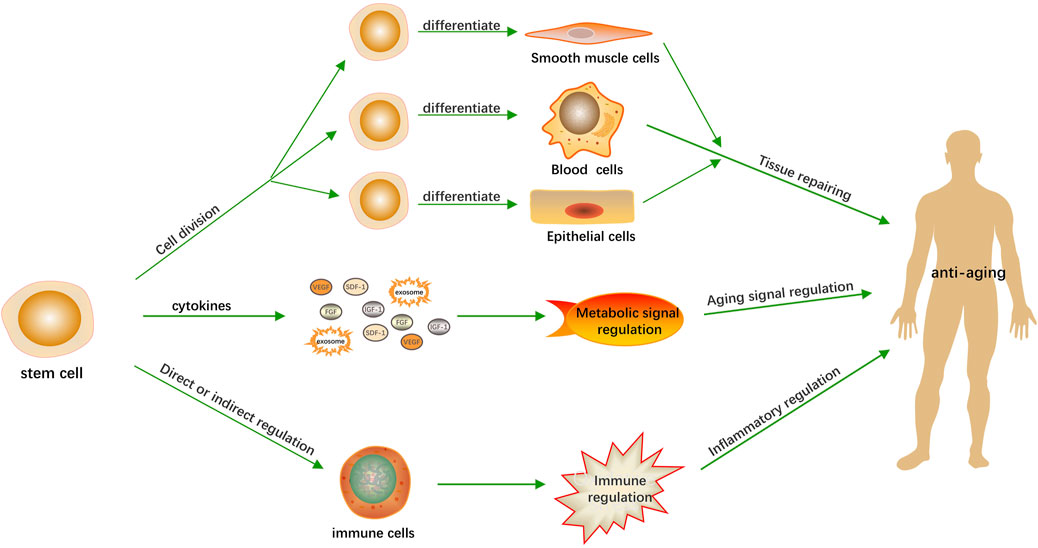
As we age, our natural stem cell pools decline in number and function. This leads to slower tissue repair, accumulation of damaged cells, chronic inflammation, and reduced regenerative capacity. Stem cell therapy aims to replenish or stimulate these regenerative systems.
Rather than simply replacing lost cells, modern anti-aging stem cell approaches often work through paracrine effects — meaning the cells release bioactive molecules that signal surrounding tissues to repair, regenerate, and rejuvenate.
These signals include growth factors, cytokines, anti-inflammatory molecules, microRNAs, and exosomes, all of which help restore a more youthful cellular environment.Not all stem cells are the same. Different types of stem cells have different strengths and applications in anti-aging medicine.
Mesenchymal Stem Cells (MSCs) in Stem Cell Therapy in Anti-Age Treatment
These are among the most commonly used in regenerative and anti-aging treatments. They can be derived from bone marrow, adipose (fat) tissue, umbilical cord tissue, or perinatal sources.
MSCs are highly valued because they:
- Reduce inflammation
- Promote tissue repair
- Support immune regulation
- Enhance skin and connective tissue regeneration
- Improve joint and musculoskeletal health
In anti-aging applications, MSCs are often used for skin rejuvenation, hair regeneration, joint repair, and systemic immune and metabolic support.
Neural Stem Cells and Neural Progenitors in Stem Cell Therapy in Anti-Age Treatment
These cells are particularly relevant for brain aging, cognitive decline, and neurodegenerative conditions.
They support:
- Neuronal survival
- Synaptic plasticity
- Improved neural connectivity
- Protection against oxidative stress in the brain
In anti-aging protocols, neural stem cell-related approaches are used to support memory, concentration, mood stability, and overall cognitive performance.
Induced Pluripotent Stem Cells (iPSCs) in Stem Cell Therapy in Anti-Age Treatment
These are adult cells that have been reprogrammed to behave like embryonic stem cells. They can theoretically be directed to become almost any cell type.
In anti-aging medicine, iPSCs represent the future of personalized regenerative therapy. Scientists are exploring their potential to regenerate aging tissues such as:
- Heart muscle cells
- Liver cells
- Pancreatic beta cells
- Kidney cells
- Skin cells
Although clinical application is still developing, iPSC technology is one of the most exciting areas of regenerative medicine.
Personalized Stem Cell Cultivation for Specific Organs in Stem Cell Therapy in Anti-Age Treatment
One of the most advanced concepts in modern regenerative medicine is the idea of organ-specific cell cultivation.
Instead of using general stem cells, researchers and clinicians are developing protocols to culture and differentiate stem cells toward specific tissue types, such as:
Liver Regeneration
The liver is one of the most resilient organs but also one of the most burdened by toxins, alcohol, medications, and metabolic stress.
Stem cell-based liver rejuvenation focuses on:
- Reducing fibrosis
- Enhancing detoxification capacity
- Supporting hepatocyte (liver cell) regeneration
- Improving metabolic function
This can be particularly beneficial for individuals with fatty liver disease, chronic inflammation, or age-related decline in liver function.
Pancreas and Metabolic Health
Stem cell research is actively exploring ways to support pancreatic function, especially in relation to insulin production and glucose metabolism.
Potential benefits include:
- Improved insulin sensitivity
- Better blood sugar control
- Reduced risk of metabolic syndrome
- Enhanced energy metabolism
This is especially relevant for aging individuals at risk of type 2 diabetes.
Kidney Regeneration
Aging kidneys often lose filtration efficiency, leading to toxin accumulation and reduced overall health.Stem Cell Therapy in Anti-Age Treatment: A New Era of Biological Rejuvenation
Stem cell therapy aims to:
- Reduce inflammation in kidney tissue
- Support regeneration of functional kidney cells
- Improve filtration capacity
- Enhance overall detoxification
After stem cell or exosome-based anti-aging therapy, several key biological changes typically occur:
Reduction of Chronic Inflammation
Aging is associated with a state known as “inflammaging,” where low-grade chronic inflammation contributes to tissue degeneration. Stem cells help rebalance the immune system and reduce harmful inflammatory signals.
Improved Cellular Repair and Regeneration
Stem cell-derived factors activate endogenous repair mechanisms, encouraging damaged cells to regenerate rather than die.
Enhanced Collagen and Elastin Production
In skin and connective tissue, stem cell therapy stimulates fibroblasts to produce more collagen and elastin, leading to firmer, more youthful skin.
Better Mitochondrial Function
Cells become more energetically efficient, leading to increased vitality, endurance, and mental clarity.
Neuroprotection and Cognitive Support
In the brain, stem cell-derived factors support synaptic plasticity, neuronal survival, and improved communication between neurons.
 Results: What Patients Can Realistically Expect
Short-Term Effects (1–3 months)
- Improved skin texture and hydration
- Increased energy levels
- Better sleep quality
- Reduced joint pain and stiffness
- Improved mood and mental clarity
Mid-Term Effects (3–9 months)
- Visible reduction in wrinkles
- Improved muscle tone and strength
- Better metabolic balance
- Enhanced cognitive performance
- Stronger immune response
Long-Term Effects (9–24 months and beyond)
- Slower biological aging markers
- Improved organ function
- Sustained skin and tissue rejuvenation
- Greater resilience to stress and illness
Clinical observations suggest that repeated treatments may enhance and prolong results, making anti-aging stem cell therapy a potentially long-term rejuvenation strategy rather than a one-time fix.Exosomes therapy shows good results in anti-aging
Clinical observations from regenerative anti-aging programs using stem cell–based therapies have demonstrated promising improvements in both external appearance and internal physiological parameters. In many clinical and observational studies, patients receiving mesenchymal stem cell therapies and stem cell–derived biological factors show measurable improvements in tissue regeneration, reduced systemic inflammation, and enhanced cellular metabolic activity. Reported response rates vary depending on patient age, baseline health status, and treatment protocol, but overall clinical improvement is observed in approximately 75–85% of treated individuals.
FIND OUT MORE ANTI- AGE RESULTS: STEM- CELL- THERAPY-ANTI-AGE-AND-SKIN-CARE
From a biological perspective, stem cell therapy may influence several mechanisms associated with aging, including oxidative stress, mitochondrial dysfunction, chronic inflammation, and decreased regenerative capacity. Clinical monitoring often demonstrates improvements in metabolic markers, immune regulation, and mitochondrial function, as well as better tissue oxygenation and microcirculation. Many patients also show improved hormonal balance, better sleep quality, increased physical energy, and enhanced cognitive performance within several months following treatment.
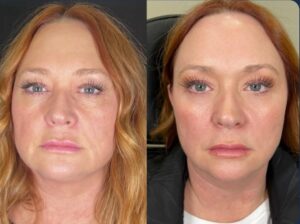
Visible aesthetic improvements are also frequently reported. Patients may experience improved skin elasticity, enhanced collagen production, better hydration, and reduction in fine lines and wrinkles. In some cases, hair density and skin tone also improve due to enhanced vascularization and tissue repair processes. These visible changes are typically gradual, developing over a period of several weeks to months as regenerative processes stimulate cellular renewal.
Long-term monitoring suggests that the benefits of regenerative anti-aging therapies may extend beyond cosmetic effects by supporting overall physiological resilience and slowing certain biological aging processes. Many patients report improvements in physical endurance, recovery after exercise, immune stability, and general quality of life. When combined with proper lifestyle support, nutrition, and metabolic optimization, stem cell–based anti-aging strategies may contribute to sustained improvements in both internal health and external appearance.
Stem Cell Therapy in Anti-Age Treatment Protocol:
Aging is a complex biological process involving progressive cellular dysfunction, mitochondrial decline, immune dysregulation, tissue degeneration, and reduced regenerative capacity. Traditional approaches to healthy aging often focus on lifestyle, nutrition, and symptom management, while regenerative medicine targets the underlying cellular and molecular mechanisms of aging.
Our protocol employs a comprehensive regenerative strategy combining advanced cellular therapies, induced pluripotent stem cells (iPSC), tissue-specific stem cells, exosome-based interventions, mitochondrial support, and bioactive peptides. The goal is to restore cellular function, improve tissue regeneration, reduce systemic inflammation, and support overall physiological resilience.
Diagnostic Evaluation
Prior to treatment, patients undergo detailed diagnostics to assess biological age, tissue function, and cellular health.
| Diagnostic Procedure | Purpose |
|---|---|
| Clinical consultation and medical history | Assessment of health status, lifestyle factors, and aging symptoms |
| Blood biomarkers of aging (inflammation, oxidative stress) | Detection of systemic senescence and metabolic dysfunction |
| Metabolic and mitochondrial function tests | Evaluation of cellular energy capacity and oxidative phosphorylation |
| Hormonal and neurotrophic factor panels | Assessment of endocrine and neuroregenerative balance |
| Imaging (skin, musculoskeletal, cardiovascular) | Evaluation of tissue integrity and structural degeneration |
| Cognitive and functional assessments | Baseline assessment of neurological and physical performance |
These results allow for a personalized treatment plan tailored to the patient’s biological and cellular profile.
Regenerative Treatment Components
| Therapy Component | Biological Role |
|---|---|
| Mesenchymal Stem Cells (MSC) | Immunomodulation, tissue regeneration, reduction of inflammation |
| Neural Stem Cells / iPSC-Derived Cells | Support of neurological regeneration, cognitive function, and neural repair |
| Tissue-Specific Stem Cells | Regeneration of skin, muscle, and organ-specific tissues |
| Stem Cell–Derived Exosomes | Cellular signaling, anti-inflammatory effects, activation of repair pathways |
| Mitochondrial Therapy / Mitochondrial Transfer | Restoration of energy metabolism, reduction of oxidative stress |
| Bioactive Peptides & Growth Factors | Support of collagen synthesis, vascularization, tissue repair, and cellular communication |
Each component targets key mechanisms of aging, including cellular senescence, mitochondrial dysfunction, neurodegeneration, tissue atrophy, and impaired intercellular signaling.
Cellular and Tissue Microenvironment Restoration
A core goal of the protocol is restoring the microenvironment of aging tissues, which includes extracellular matrix integrity, stem cell niches, mitochondrial health, vascular supply, and immune signaling.
Chronic low-grade inflammation, oxidative stress, and tissue degeneration impair natural repair processes. Regenerative therapies aim to recreate a supportive physiological environment, promoting cellular renewal and tissue homeostasis across multiple organ systems. Mitochondrial Dysfunction: The Hidden Driver Behind Chronic Disease and Healthy Aging
Metabolic and Hormonal Support
The protocol includes interventions to optimize cellular metabolism, mitochondrial efficiency, and endocrine balance.
Supporting hormonal pathways and neurotrophic signaling is essential for maintaining tissue integrity, cognitive function, and systemic regenerative capacity. Proper metabolic regulation enhances the effectiveness of stem cells, exosomes, and mitochondrial therapies.
Treatment Process
| Treatment Stage | Description |
|---|---|
| Patient evaluation | Clinical assessment, biomarkers, imaging, and functional testing |
| Personalized treatment planning | Selection of stem cell types, exosomes, mitochondrial therapy, and peptides |
| Cellular therapy procedures | Administration of MSCs, iPSC-derived cells, tissue-specific stem cells |
| Supportive therapies | Microenvironment restoration, mitochondrial therapy, growth factor delivery |
| Follow-up monitoring | Functional assessments, biomarker tracking, imaging, and therapy adjustment |
Integrated Regenerative Approach
The guiding principle is combination therapy, where multiple regenerative modalities act synergistically to address cellular aging, tissue degeneration, mitochondrial decline, and immune/hormonal imbalance.
By targeting these mechanisms together, the treatment aims to restore cellular function, enhance tissue regeneration, improve cognitive and physical performance, and promote healthy systemic aging.
Stem Cell Therapy in Anti-Age Treatment: Patient Stories
- Maria, 52 – Skin Aging and Fatigue
“I started stem cell therapy because my skin had lost elasticity, and I constantly felt exhausted. Within three months, I noticed my skin looked brighter and more hydrated. After six months, my wrinkles appeared softer, and my energy levels were significantly higher. I feel like I have regained at least 10 years of vitality.”
- David, 58 – Cognitive Decline and Low Energy
“I was worried about memory lapses and mental fog. After treatment, I felt clearer mentally and more focused. My sleep improved, and I felt more motivated at work. A year later, my doctor confirmed that my cognitive test scores had improved slightly.”
- Anna, 47 – Hair Thinning and Joint Pain
“My hair was thinning, and my knees hurt all the time. After stem cell therapy, my hair became thicker, and my joint pain decreased noticeably. I can now exercise again without discomfort.”
- Michael, 62 – Metabolic Issues
“I had borderline diabetes and constant fatigue. After therapy, my blood sugar levels stabilized, and I felt more energetic. My doctor was surprised by the improvements.”
- Sofia, 55 – Skin and Emotional Well-Being
“My skin looks healthier, but more importantly, I feel emotionally balanced and less stressed. The therapy seems to have had a holistic effect.”
- James, 60 – Heart and Vascular Health
“I underwent stem cell therapy as part of a regenerative program. My endurance improved, and my cardiologist noted better vascular function.”
- Elena, 49 – Overall Rejuvenation
“I didn’t just want to look younger; I wanted to feel younger. Stem cell therapy gave me that. I sleep better, think clearer, and feel more alive than I have in years.”
-
Mesenchymal Stem Cell‑Derived Exosomes: A Promising Therapeutic Strategy for Age‑Related Diseases — a comprehensive review on how MSC‑derived exosomes may address aging hallmarks and treat age‑associated conditions. Mesenchymal Stem Cell‑Derived Exosomes for Age‑Related Diseases
-
Mesenchymal stem cell exosome therapy: current research status in the treatment of neurodegenerative diseases and the possibility of reversing normal brain aging — discusses MSC‑exosomes’ potential in neuroregeneration and delaying brain aging. MSC Exosome Therapy & Brain Aging
-
Advances in mesenchymal stem cell and exosome‑based therapies for aging and age‑related diseases — summarizes overview of MSC and exosome applications against multiple age‑related disorders, including anti‑aging pathways. MSC & Exosome Therapies for Aging Diseases
-
Mesenchymal stem cells and exosomes: A novel therapeutic approach for aging — review focusing on MSCs and their exosomes in targeting aging mechanisms like senescence, mitochondrial dysfunction, and chronic inflammation. MSCs & Exosomes in Aging Therapy
-
Therapeutic Efficacy and Promise of Human Umbilical Cord Mesenchymal Stem Cell‑Derived Extracellular Vesicles in Aging and Age‑Related Disorders — explores anti‑aging potential of exosomes from umbilical‑derived MSCs and their molecular effects on age‑related tissue degeneration. Umbilical Cord MSC‑Derived Vesicles in Aging
1. What types of cells are used in anti-aging regenerative therapy?
Our protocol uses mesenchymal stem cells (MSC), induced pluripotent stem cells (iPSC), neural cells, tissue-specific cells, and supportive exosomes and mitochondrial preparations. These cells are selected for their ability to repair tissue, reduce inflammation, and restore organ function.
2. How do MSCs contribute to anti-aging?
MSCs secrete growth factors and exosomes that reduce cellular senescence, promote tissue regeneration, and modulate the immune system. They improve skin elasticity, muscle function, and metabolic balance, which are commonly affected during aging.
3. What role do iPSCs play in anti-aging therapy?
iPSCs (induced pluripotent stem cells) can differentiate into multiple tissue types, offering regeneration of damaged or aged tissues, including skin, neurons, and muscle. They help restore cellular function at a fundamental level.
4. Why are exosomes important in anti-aging therapy?
Exosomes carry signaling molecules, proteins, RNAs, and miRNAs from stem cells to target tissues. They stimulate cell repair, mitochondrial function, and anti-inflammatory responses, acting as a natural communication system for rejuvenation.
5. How are neural and tissue-specific cells used?
Neural and tissue-specific cells provide targeted regeneration. Neural cells support brain and cognitive health, while tissue-specific cells (e.g., hepatocytes, dermal cells) restore organ-specific function and vitality.
6. What is the function of mitochondria in anti-aging treatments?
Mitochondrial therapies enhance cellular energy production, reduce oxidative stress, and improve metabolic function. Healthy mitochondria are essential for reversing age-related fatigue, organ decline, and cellular senescence.
7. How do peptides support anti-aging therapy?
Peptides regulate growth, repair, and signaling pathways in tissues. They complement stem cell therapy by enhancing collagen production, neuroprotection, and hormonal balance, boosting overall rejuvenation.
8. Are these therapies safe?
Yes. All therapies are administered under strict clinical protocols using autologous or highly characterized allogenic cells. Clinical studies report low adverse effects, mainly mild inflammation at the injection site.
9. How soon can patients see results?
Visible and measurable improvements vary but typically occur within 2–6 months, depending on the therapy type, age, and tissue targeted. Improvements include skin quality, energy levels, cognitive clarity, and organ function.
10. Can this therapy reverse aging completely?
While it cannot stop aging entirely, regenerative therapy significantly slows age-related decline, restores tissue function, reduces inflammation, and improves vitality, offering a holistic anti-aging benefit.