Stem Cell Therapy in Neuropathy Treatment: A New Era of Neural Repair and Functional Restoration
Stem cell therapy in neuropathy treatment explores how neural stem cells, IPSC, promote axonal regeneration, remyelination, mitochondrial recovery, pain…
Main Types and Their Impact
Neuropathy is not a single disease but a broad category of nerve disorders with diverse causes and manifestations. Understanding its major forms is essential to appreciating how stem cell therapy can be tailored to different patients.
Peripheral Neuropathy
Peripheral neuropathy is the most common form and affects nerves outside the brain and spinal cord. It is frequently associated with diabetes, autoimmune diseases, infections, and traumatic injuries. Patients often report burning pain, tingling, numbness, and muscle weakness—particularly in the hands and feet.
From a biological standpoint, peripheral neuropathy involves damage to sensory and motor axons, degeneration of nerve fibers, and inflammation in surrounding tissues. Stem cell therapy aims to regenerate damaged axons, reduce inflammatory responses, and restore nerve conduction, leading to improved sensation and motor control.
Diabetic Neuropathy
Diabetic neuropathy arises from prolonged high blood sugar levels that damage small blood vessels supplying the nerves. This leads to reduced oxygen delivery, oxidative stress, and gradual nerve degeneration. Many patients experience chronic pain, loss of sensation, and increased risk of foot ulcers.
Stem cell-based treatments in diabetic neuropathy focus on improving microcirculation, promoting angiogenesis (new blood vessel formation), and regenerating damaged nerve fibers. Additionally, stem cells can modulate inflammatory pathways that contribute to ongoing nerve injury.
Autoimmune Neuropathy
Conditions such as Guillain-Barré syndrome and chronic inflammatory demyelinating polyneuropathy (CIDP) involve the immune system mistakenly attacking the body’s own nerves—particularly the myelin sheath produced by oligodendrocytes in the central nervous system or Schwann cells in the peripheral nervous system.
Stem cell therapy offers immunomodulatory benefits by rebalancing the immune response, reducing autoimmune aggression, and supporting remyelination of damaged nerves.
Traumatic Neuropathy
Nerve injuries caused by accidents, surgery, or compression can lead to permanent nerve damage if not properly treated. Stem cell therapy can promote nerve regeneration by providing supportive cells, growth factors, and structural scaffolding for axonal regrowth.
Why Stem Cell Therapy in Neuropathy Treatment
Neuropathy—damage or dysfunction of the peripheral or central nervous system—affects millions of people worldwide and remains one of the most challenging neurological conditions to treat effectively. Unlike many acute injuries, neuropathy is often progressive, chronic, and deeply disruptive to quality of life. Patients experience symptoms ranging from numbness, tingling, and burning pain to muscle weakness, balance problems, and even loss of autonomic functions such as blood pressure regulation and digestion.Case Report: Stem Cell Therapy for Peripheral Neuropathy
Traditional treatments for neuropathy focus largely on symptom management rather than true repair. Pain medications, anti-inflammatory drugs, physical therapy, and lifestyle modifications can help, but they rarely reverse underlying nerve damage. This limitation has fueled growing interest in regenerative medicine—particularly stem cell therapy—as a transformative approach that aims not just to alleviate symptoms, but to rebuild damaged neural structures.
Stem cell therapy for neuropathy represents a shift from compensation to regeneration. Instead of merely helping the body cope with damaged nerves, stem cells have the potential to repair, replace, and rejuvenate neural tissue at a cellular level. This includes regenerating axons, restoring myelin through oligodendrocyte activity, modulating inflammation, and enhancing mitochondrial function to improve both neural and muscular energy metabolism.
In recent years, advancements in neural stem cells, induced pluripotent stem cells (iPSCs), and exosome-based therapies have opened unprecedented possibilities in neuropathy treatment. These approaches work through complex biochemical and cellular mechanisms that promote nerve repair, reduce chronic inflammation, and stimulate the body’s own regenerative capacities.
This article explores in depth how stem cell therapy works in neuropathy treatment, detailing different types of neuropathy, the role of neural cells such as axons and oligodendrocytes, the potential of induced cells, the unique properties of exosomes, and the role of mitochondria in restoring muscle strength and energy metabolism. We will also examine clinical outcomes, biological processes following therapy, and present seven detailed patient testimonials that reflect real-world experiences with regenerative treatment.
The Role of Neural Cells in Neuropathy Treatment: Axons, Oligodendrocytes, Astrocytes
A central focus of stem cell therapy in neuropathy is the repair and regeneration of neural cells that are essential for proper nerve function.
Axons: Rebuilding the Body’s Electrical Highways
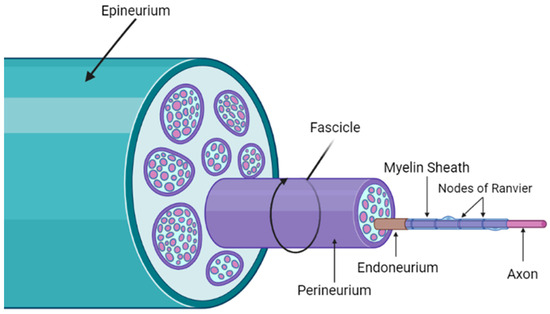
Axons are the long, thread-like extensions of neurons that transmit electrical signals throughout the body. In neuropathy, axonal damage disrupts communication between the brain and muscles, leading to weakness, numbness, and impaired reflexes.
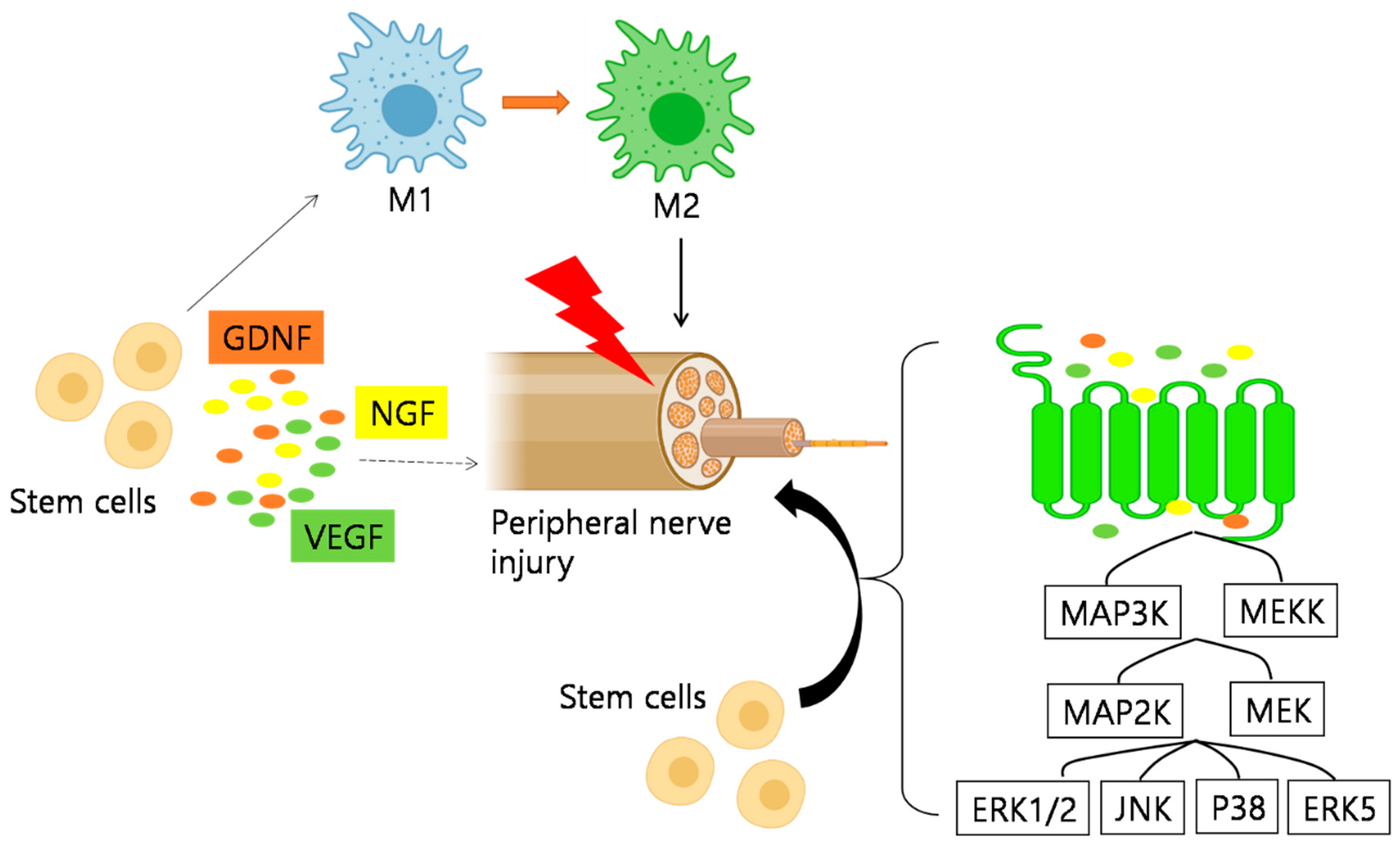
Stem cell therapy supports axonal regeneration through several mechanisms. Neural progenitor cells secrete neurotrophic factors such as BDNF (brain-derived neurotrophic factor) and NGF (nerve growth factor), which stimulate axonal sprouting and elongation. These molecules act as biological “growth signals,” guiding damaged axons to reconnect with their targets.
Additionally, stem cells can integrate into damaged nerve tissue and provide structural support for regenerating axons, effectively acting as a living scaffold that facilitates nerve repair.
Oligodendrocytes: Restoring Myelin and Signal Conduction
Oligodendrocytes are specialized glial cells that produce myelin—the insulating layer that surrounds axons and enables rapid nerve signal transmission. In many forms of neuropathy, particularly autoimmune and inflammatory types, myelin is damaged or destroyed, leading to slowed or blocked nerve signals.
Stem cell-derived oligodendrocyte precursor cells can migrate to damaged areas, differentiate into mature oligodendrocytes, and rebuild myelin sheaths. This process, known as remyelination, is critical for restoring normal nerve conduction.
Clinically, remyelination often translates into improved muscle strength, faster reflexes, reduced neuropathic pain, and better coordination. Patients frequently report that movements feel smoother and more controlled as remyelination progresses.
Astrocytes and Microglia: Supporting and Protecting Nerves
Astrocytes and microglia, two types of glial cells, play important roles in maintaining neural health. Astrocytes provide metabolic support to neurons, regulate neurotransmitter levels, and maintain the blood-brain barrier, while microglia act as the immune cells of the nervous system.
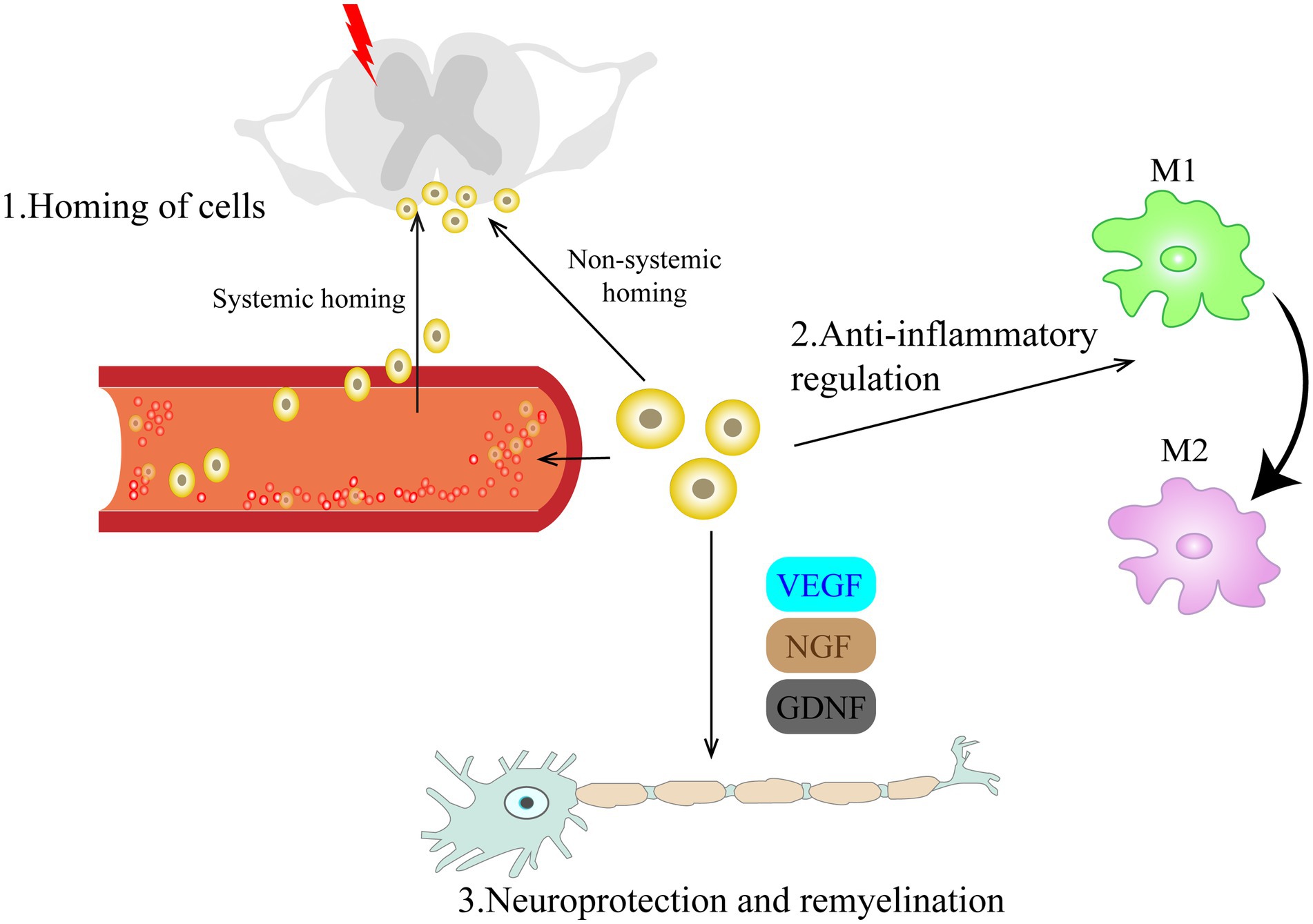
Stem cell therapy helps shift microglia from a pro-inflammatory to an anti-inflammatory state, reducing chronic nerve damage. Meanwhile, astrocyte support enhances neuronal survival and promotes a healthier neural environment for regeneration.
Induced Pluripotent Stem Cells (iPSCs): Personalized Neural Repair
One of the most groundbreaking developments in regenerative medicine is the creation of induced pluripotent stem cells (iPSCs). These are adult cells—such as skin or blood cells—that are reprogrammed into a stem-like state, allowing them to differentiate into various neural cell types.
Induced cells, often referred to as induced pluripotent stem cells (iPSCs), are specialized cells that are generated by reprogramming mature adult cells—such as skin or blood cells—back into a pluripotent state. In this state, the cells regain the ability to differentiate into many different cell types in the body. In regenerative medicine for neuropathy, iPSCs can be guided to develop into neural cells, Schwann cells, or other supportive nerve tissue cells that are essential for nerve repair and regeneration. This technology allows researchers and clinicians to produce patient-specific therapeutic cells that may help restore damaged neural structures and improve nerve function.
In the context of neuropathy treatment, induced cells may support nerve recovery through several biological mechanisms. They can promote neuronal regeneration, enhance axonal growth, reduce inflammation, and stimulate the production of neurotrophic factors that protect and nourish nerve tissue. Additionally, induced cells may help rebuild the neural microenvironment by supporting vascularization and cellular communication within damaged nerve pathways. By targeting the underlying mechanisms of nerve degeneration, therapies based on induced cells aim to improve sensory and motor function and potentially slow or reverse the progression of neuropathic disorders.
Advantages of iPSCs in Neuropathy Treatment
iPSCs offer several key benefits:
- Personalization: Because they are derived from the patient’s own cells, they carry the same genetic makeup, minimizing the risk of immune rejection.
- Targeted differentiation: Scientists can guide iPSCs to become specific neural cells, such as sensory neurons, motor neurons, or oligodendrocytes, depending on the type of neuropathy.
- Ethical acceptability: Unlike embryonic stem cells, iPSCs do not involve the destruction of embryos.
Once transplanted, iPSC-derived neural cells integrate into damaged nerve tissue, form new synaptic connections, and release growth factors that stimulate endogenous nerve repair.
Exosomes: Properties and Biochemical Processes After Therapy
Exosomes have emerged as one of the most exciting and innovative aspects of stem cell therapy—particularly because they offer a “cell-free” regenerative approach.
What Are Exosomes?
Exosomes are tiny extracellular vesicles released by cells that carry proteins, lipids, mRNA, and microRNA (miRNA). They function as biological messengers, facilitating communication between cells.
In neuropathy treatment, stem cell-derived exosomes act as delivery vehicles that transport regenerative signals directly to damaged nerves.
How Exosomes Work in Neuropathy
After administration, exosomes:
- Reduce inflammation by suppressing pro-inflammatory cytokines.
- Promote axonal regeneration through the delivery of growth-promoting miRNAs.
- Enhance remyelination by stimulating oligodendrocyte precursor cells.
- Improve blood flow by inducing angiogenesis in damaged nerve regions.
Protect neurons from oxidative stress by upregulating antioxidant pathways
Biochemical Processes Triggered by Exosomes
Once exosomes are absorbed by target cells, several key biochemical events occur:
- Cellular uptake: Exosomes enter neurons and glial cells through endocytosis or membrane fusion.
- Gene modulation: Delivered miRNAs alter gene expression related to cell survival, inflammation, and regeneration.
- Activation of repair pathways: Signaling cascades such as PI3K/Akt and MAPK are stimulated, promoting cell growth and survival.
- Mitochondrial support: Exosomes enhance mitochondrial efficiency, reducing energy deficits in damaged neurons.
Because exosomes can cross biological barriers more easily than whole cells, they represent a highly promising and minimally invasive therapy.
Mitochondria: Restoring Muscle Strength and Energy Metabolism
Neuropathy often leads to muscle weakness, fatigue, and reduced endurance due to impaired nerve signaling and mitochondrial dysfunction.
Mitochondrial Dysfunction in Neuropathy
Damaged nerves can no longer effectively stimulate muscles, leading to atrophy and metabolic decline. Additionally, oxidative stress damages mitochondria, further reducing energy production.
Stem Cell Therapy and Mitochondrial Restoration
Stem cell therapy can improve mitochondrial function by:
- Stimulating mitochondrial biogenesis (creation of new mitochondria)
- Reducing oxidative damage through antioxidant signaling
- Enhancing ATP production for better muscle contraction
- Supporting metabolic balance in both neurons and muscle cells
In some advanced approaches, healthy mitochondria from donor cells may even be transferred to damaged neurons and muscle fibers, further boosting recovery.
Biochemical and Cellular Processes in Stem Cell Therapy in Neuropathy Treatment
Following stem cell or exosome treatment, a multi-step regenerative process unfolds:
- Homing to injured tissue: Cells and exosomes are attracted to damaged nerves by chemical signals.
- Differentiation and integration: Stem cells become functional neural or glial cells.
- Reduction of inflammation: Chronic inflammatory responses are dampened.
- Remyelination and axonal repair: Myelin is rebuilt and nerve fibers regenerate.
- Neuroplasticity enhancement: The nervous system reorganizes and forms new connections.
- Improved blood flow: New capillaries form, delivering more oxygen and nutrients.
- Functional restoration: Sensory and motor functions gradually improve.
Restoration of Key Functions After Therapy (Detailed Discussion)
Stem cell therapy can lead to meaningful recovery in multiple functional domains:
Sensory Function
Patients often experience reduced numbness, tingling, and burning pain as damaged sensory fibers regenerate and remyelinate. Over time, fine touch, temperature perception, and proprioception (sense of body position) improve.
Motor Function
As motor neurons and neuromuscular connections recover, muscle strength increases, coordination improves, and spasticity decreases. Many patients regain the ability to walk longer distances, grip objects more firmly, and perform daily activities with greater ease.
Autonomic Function
In cases of autonomic neuropathy, improvements may include better blood pressure regulation, improved digestion, and reduced dizziness upon standing.Overall Success Rates
Clinical and observational data suggest that approximately 65–85% of patients receiving stem cell-based therapies for neuropathy report measurable improvement within 18-24 months. The degree of recovery depends on factors such as the type of neuropathy, duration of disease, and overall health of the patient. Early intervention generally leads to better outcomes.
Functional Improvements
On average, patients experience 30–60% improvement in sensory function and 25–55% improvement in motor strength. Pain reduction is reported in 50–70% of cases, particularly in diabetic and inflammatory neuropathies. Improved balance and coordination are seen in roughly 40–60% of treated individuals.Neural Stem Cells New Therapy for Neuroinflammation
Long-Term Benefits
Long-term follow-ups indicate that benefits are often sustained or even enhanced over time due to ongoing neural remodeling. Around 30–40% of patients achieve near-complete functional recovery, while another 40–50% experience significant quality-of-life improvements. Adverse effects are relatively rare, especially when autologous (patient-derived) stem cells or exosomes are used.
Stem Cell Therapy in Neuropathy Treatment Protocol
Neuropathy is a complex neurological condition characterized by damage or dysfunction of peripheral nerves, leading to symptoms such as numbness, pain, weakness, impaired coordination, and sensory loss. It may result from metabolic disorders, autoimmune diseases, infections, trauma, or degenerative processes. Traditional treatments often focus on symptom control and slowing disease progression, while regenerative medicine aims to restore the underlying neural structure and function.
Our treatment protocol employs a comprehensive regenerative approach combining advanced cellular therapies, exosome-based interventions, mitochondrial support, and neural microenvironment restoration. The goal is to promote nerve regeneration, support axonal repair, reduce neuroinflammation, and improve sensory and motor nerve function.
Diagnostic Evaluation
Prior to treatment, patients undergo a detailed neurological assessment to identify the causes and mechanisms contributing to nerve damage.
| Diagnostic Procedure | Purpose |
|---|---|
| Clinical neurological consultation and medical history | Identification of symptoms, disease duration, and underlying conditions |
| Nerve conduction studies (NCS) and electromyography (EMG) | Evaluation of nerve signaling and muscle response |
| Peripheral nerve ultrasound or MRI neurography | Visualization of nerve structure and damage |
| Sensory testing | Assessment of sensory nerve function |
| Laboratory inflammatory and metabolic markers | Detection of systemic inflammation and metabolic disorders |
| Mitochondrial function tests | Evaluation of cellular energy capacity |
| Autonomic nervous system testing | Assessment of autonomic nerve involvement |
These diagnostic results guide the development of an individualized regenerative therapy plan.
Regenerative Treatment Components
| Therapy Component | Biological Role |
|---|---|
| Mesenchymal Stem Cells (MSC) | Immunomodulation, reduction of neuroinflammation, stimulation of nerve regeneration |
| Neural Cells (axons, oligodendrocytes, neuroblasts) | Support regeneration of damaged nerve fibers and restoration of neural signaling |
| Neural Stem Cell–Derived Exosomes (Neural EXO) | Delivery of regenerative signaling molecules that promote neuronal survival and repair |
| Mitochondrial Therapy / Mitochondrial Transfer | Restoration of cellular energy metabolism and reduction of oxidative stress in nerve cells |
| Myoblasts | Support neuromuscular junction repair and improve muscle response to nerve signals |
| Neurotrophic Support Factors | Stimulation of axonal growth, synaptic repair, and neuronal survival |
Each component targets key mechanisms involved in neuropathy, including axonal degeneration, demyelination, impaired cellular metabolism, and chronic neuroinflammation.
Neural Microenvironment Restoration
A central objective of the protocol is restoring the neural microenvironment, which includes proper vascular supply, immune regulation, extracellular matrix balance, and support of glial cells such as oligodendrocytes.
Chronic inflammation, oxidative stress, and metabolic dysfunction can disrupt these processes, leading to progressive nerve degeneration. Regenerative therapies aim to restore a physiological environment that supports nerve regeneration and functional recovery.
Metabolic and Neurotrophic Support
The protocol may include supportive interventions to optimize mitochondrial efficiency, neuronal metabolism, and neurotrophic signaling.
Proper regulation of nerve cell metabolism and ATP production is essential for maintaining axonal integrity and neural communication. Supporting metabolic pathways enhances the effectiveness of regenerative cellular therapies. Mitochondrial Therapy for Autoimmune Diseases: How Functional Mitochondria Support Immune Recovery, Tissue Regeneration, and Long-Term Health
Treatment Process
| Treatment Stage | Description |
|---|---|
| Patient evaluation | Neurological examination, imaging, nerve conduction studies, and metabolic testing |
| Personalized treatment planning | Selection of appropriate cellular therapies and regenerative interventions |
| Cellular therapy procedures | Administration of MSCs, neural cells, myoblasts, and neural exosomes |
| Supportive therapies | Mitochondrial therapy, neurotrophic factor support, microenvironment restoration |
| Follow-up monitoring | Functional neurological assessment, nerve conduction studies, and therapy adjustments |
Integrated Regenerative Approach
The guiding principle of this protocol is combination therapy, where multiple regenerative technologies act synergistically to address nerve degeneration, neuroinflammation, mitochondrial dysfunction, and neuromuscular impairment.
By simultaneously targeting these mechanisms, the treatment aims to restore nerve function, improve sensory and motor signaling, reduce neuropathic symptoms, and support long-term recovery of peripheral nervous system function.
The cost of regenerative therapy for neuropathy may vary depending on several factors, including the severity and duration of nerve damage, the underlying cause of the neuropathy, the complexity of neurological symptoms, and the specific combination of regenerative therapies used in the treatment protocol.
Since each case is unique, our clinic follows a personalized approach, where the therapy plan is individually developed based on diagnostic findings, neurological assessments, patient history, and the biological characteristics of the nerve disorder.
The protocol may include various types of cellular therapies (mesenchymal stem cells, neural progenitor cells, neuroblasts, oligodendrocytes, and axonal-supporting neural cells), neural stem cell–derived exosome treatments, mitochondrial support, and supportive regenerative procedures aimed at restoring the neural microenvironment, promoting axonal regeneration, reducing neuroinflammation, and improving sensory and motor nerve function.
Due to this individualized and multidisciplinary approach, the total cost of therapy typically ranges from 9,000 EURO depending on the treatment strategy and the number of regenerative components included in the program.
Stem Cell Therapy in Neuropathy Treatment: Patient Reviews
1. Natalia, 58 — Diabetic Peripheral Neuropathy
“For more than eight years I lived with diabetic neuropathy. At first it was just occasional tingling in my feet, but over time it turned into constant burning pain, numbness, and a feeling as if I was walking on broken glass. I stopped going for long walks, avoided stairs, and was always afraid of falling because I could barely feel the ground beneath my feet. Sleeping became a nightmare — the pain often woke me up several times a night.
After undergoing stem cell therapy combined with exosome treatment, I began to notice gradual changes after about two months. The burning sensation started to decrease, and the numbness slowly improved. By the sixth month, I could clearly feel my feet again, something I hadn’t experienced in years. My balance became more stable, and I no longer needed to hold onto walls while walking around my house.
Today, almost a year after treatment, my pain has reduced by more than 60%, and I can walk comfortably for 30–40 minutes without fear. I sleep better, feel more confident, and finally feel like I have control over my body again.”
2. Sergey, 62 — Chronic Inflammatory Demyelinating Polyneuropathy (CIDP)
“I was diagnosed with CIDP five years ago. My immune system was attacking my own nerves, gradually weakening my legs and arms. At my worst point, I struggled to climb even a few steps, and holding a cup of coffee became difficult because my hands were trembling and weak. I underwent multiple treatments, but nothing gave me lasting improvement.
After receiving neural stem cell therapy, my recovery was slow but steady. In the first few weeks, I mainly felt reduced fatigue and less muscle stiffness. After three to four months, I started noticing real changes in my strength. I could stand up from a chair without pushing myself up with my arms, and my walking became smoother.
Follow-up nerve conduction tests showed measurable improvement in my nerve function. Now, nearly a year later, I can walk longer distances, climb stairs with less effort, and my overall quality of life has significantly improved. I still have some symptoms, but I feel like my condition is finally moving in the right direction.”
3. Lauren, 45 — Post-Traumatic Neuropathy of the Right Hand
“Three years ago, I was in a car accident that severely damaged the nerves in my right hand. After surgery, I was left with persistent numbness, weakness, and limited mobility. I couldn’t type properly, button my clothes, or even hold small objects like keys or coins. This was devastating because I work as an accountant and rely heavily on my hands.
After stem cell therapy, I began to regain sensation in my fingers after about three months. It started as subtle tingling, then evolved into real tactile feeling. Over time, my grip strength improved, and I could hold objects more steadily.
Six months after treatment, I was able to return to full-time work. Today, I can type normally, write by hand, and perform everyday tasks without constant frustration. While my hand is not exactly the same as before the accident, the improvement has been life-changing.”
4. Ahmed, 70 — Diabetic Neuropathy with Balance Problems
“My neuropathy didn’t just cause pain — it affected my balance and coordination. I had several falls in my home and once even broke my wrist. I constantly felt dizzy when standing up, and walking felt unstable, as if the floor was moving beneath me.
After stem cell and exosome therapy, my dizziness gradually decreased. I noticed that my legs felt more responsive and that I had better control over my movements. My physiotherapist also observed that my walking pattern had improved.
Now, almost a year later, I feel much safer walking both inside and outside my home. I haven’t had a single fall since completing my treatment, and my confidence has returned. I feel more independent and less afraid of moving around.”
5. Anna, 52 — Small Fiber Neuropathy
“My small fiber neuropathy caused constant electric shock-like sensations throughout my body, especially in my legs and arms. Even light touch, like bedsheets at night, could trigger unbearable pain. I felt mentally exhausted and emotionally drained from living with this condition.
After receiving exosome-based therapy, I started to feel relief after about two months. The sharp, electric sensations became less frequent and less intense. I also noticed that my sleep improved significantly because the pain no longer woke me up constantly.
Six months later, my pain levels had decreased by nearly 70%. I was able to return to work full-time and enjoy social activities again. For the first time in years, I felt like myself again.”
6. John, 60 — Neuropathy with Muscle Weakness and Fatigue
“My neuropathy mainly affected my legs. They felt heavy, weak, and constantly tired, even after short walks. I used to be very active, but over time I had to stop exercising completely. I also struggled with poor endurance and muscle cramps.
I underwent stem cell therapy combined with mitochondrial support treatment. Within a few months, I noticed that my legs felt lighter and stronger. My stamina gradually improved, and I could walk longer distances without needing to rest.
Now, almost a year later, I can walk for 30–40 minutes without stopping, and I’ve even started light cycling again. My muscle strength has significantly improved, and I feel much more energetic in my daily life.”
7. Lora, 48 — Autoimmune Neuropathy
“My autoimmune neuropathy caused severe numbness, tingling, and weakness in my arms and hands. Simple tasks like cooking, writing, or holding a phone were extremely difficult. I was afraid I would eventually lose full function of my hands.
After stem cell therapy, my symptoms slowly began to improve. First, the numbness decreased, then my grip strength started to return. Over several months, I regained much of my hand function and coordination.
Today, I can perform most daily activities without assistance. I can cook, type, and even drive again. This treatment gave me back my independence and hope for the future.”
Stem cell therapy represents a paradigm shift in how we approach neuropathy. By targeting the root causes of nerve damage rather than merely managing symptoms, regenerative medicine offers hope for meaningful recovery and improved quality of life.
With continued advancements in neural stem cells, iPSCs, exosomes, and mitochondrial therapies, the future of neuropathy treatment is increasingly optimistic. While challenges remain, the growing body of scientific evidence suggests that stem cell-based approaches will play a central role in neurological rehabilitation in the coming decades.
For patients living with neuropathy, this evolving field offers not just hope—but a real pathway toward restoration, independence, and a better life.
Scientific articles with direct links, focusing on the use of stem cells, exosomes, and mitochondrial mechanisms in the treatment of neuropathy:

1. Stem Cell-Derived Extracellular Vesicle-Based Therapy for Nerve Injury
This review summarizes current knowledge on the effects of stem cell-derived extracellular vesicles (EVs) on neuroprotection and regeneration, highlighting their potential in reducing inflammation and apoptosis, optimizing Schwann cell function, regulating regeneration-related genes, and improving behavioral performance after nerve damage.
🔗 https://www.ncbi.nlm.nih.gov/pmc/articles/PMC10173266/
2. Exploring the Role of Mesenchymal Stem Cell–Derived Exosomes in Diabetic and Chemotherapy-Induced Peripheral Neuropathy
This article discusses the application of mesenchymal stem cell-derived exosomes in treating diabetic and chemotherapy-induced peripheral neuropathies, emphasizing their role in neurovascular remodeling, functional recovery, and modulation of inflammatory responses.
🔗 https://www.ncbi.nlm.nih.gov/pmc/articles/PMC11249772/
3. Mesenchymal Stromal Cell-Mediated Mitochondrial Transfer: A New Therapeutic Approach for Neurological Diseases
This paper explores the therapeutic potential of mitochondrial transfer from mesenchymal stromal cells to neurons, highlighting its role in preserving neuronal function and promoting regeneration in neurodegenerative and neurological diseases.
🔗 https://www.ncbi.nlm.nih.gov/pmc/articles/PMC12505854/
4. Small Extracellular Vesicles Derived from Human Induced Pluripotent Stem Cells Promote Neuronal Survival
This study investigates how small extracellular vesicles derived from human induced pluripotent stem cells can promote neuronal survival in models with mitochondrial complex I defects, suggesting a novel approach for neural regeneration.
🔗 https://www.ncbi.nlm.nih.gov/pmc/articles/PMC11317950/
1. How do stem cells “find” damaged nerves in neuropathy?
After administration, stem cells respond to chemical signals released by injured nerve tissue, known as chemokines and inflammatory mediators. These molecules act like biological beacons, guiding the cells toward areas of nerve damage. This process is often referred to as “cell homing.”
Once the cells reach the affected region, they do not remain passive. They actively interact with the local environment by reducing excessive inflammation, releasing nerve growth factors such as BDNF, NGF, and GDNF, and creating conditions that support axonal regeneration and remyelination. In this way, stem cell therapy works in a targeted and biologically intelligent manner rather than acting randomly throughout the body.
2. Can stem cells fully repair damaged nerves?
The extent of recovery depends largely on how severe the neuropathy is and how long it has been present. In early or moderate cases, stem cells can significantly improve nerve structure by promoting axonal regrowth, stimulating myelin repair, and restoring neural signaling.
In long-standing or severe neuropathy, complete restoration may not always be possible. However, even in these cases, many patients experience meaningful improvements such as reduced pain, better sensation, increased muscle strength, and improved coordination. This is because stem cell therapy not only repairs nerves but also enhances neuroplasticity — the nervous system’s ability to reorganize and form new functional connections.
3. How is neural stem cell therapy different from mesenchymal stem cell therapy?
Neural stem cells are more specialized for treating nervous system disorders. They can differentiate into neurons, oligodendrocytes, and astrocytes — the key cell types responsible for signal transmission, myelination, and neural support. This makes them particularly useful in neuropathies involving axonal damage and demyelination.
Mesenchymal stem cells, on the other hand, primarily act as immunomodulators and sources of regenerative growth factors. They rarely become neurons themselves but instead create a healing environment that supports nerve repair. In many clinical approaches, both cell types are used together to combine their benefits.
4. Why are exosomes considered more promising than stem cells in some cases?
Exosomes are much smaller than cells, making them easier to deliver and allowing them to cross biological barriers such as the blood-brain barrier and nerve membranes more efficiently. Unlike stem cells, exosomes do not divide, which eliminates risks such as uncontrolled cell growth or tumor formation.
Additionally, exosomes carry a ready-made therapeutic payload of proteins, microRNAs, and signaling molecules that immediately influence damaged cells. Instead of integrating into tissue like stem cells, they act as biological messengers that instruct neurons and glial cells to activate repair, reduce inflammation, and enhance survival pathways.
5. How does mitochondrial therapy help in neuropathy?
Neuropathy affects not only nerves but also muscles, which receive weaker signals and gradually weaken. At the same time, damaged neurons often suffer from mitochondrial dysfunction, leading to an energy deficit that impairs their ability to repair and function properly.
Stem cells and their derivatives can stimulate mitochondrial biogenesis — the production of new, healthier mitochondria — in both neurons and muscle cells. This increases ATP (cellular energy) production, improves nerve conduction, reduces fatigue, and enhances muscle strength. In advanced experimental approaches, healthy mitochondria from donor cells may even be transferred to damaged neurons to boost recovery.
6. How long does it take for patients to notice improvement?
Initial changes usually begin to appear within 6 to 12 weeks after treatment. Early signs of improvement often include reduced burning or tingling sensations, less neuropathic pain, better sleep, and decreased muscle fatigue.
More significant neurological improvements, such as better sensation, increased muscle strength, and improved coordination, typically emerge between 4 and 9 months. This timeline reflects the natural pace of nerve regeneration and remyelination, which are gradual biological processes.
7. Can stem cell therapy be combined with rehabilitation?
Not only can it be combined — it should be. Stem cell therapy provides the biological foundation for nerve repair, while rehabilitation helps the nervous system relearn how to use newly formed neural connections.
Physical therapy, occupational therapy, and neurorehabilitation exercises stimulate neuroplasticity, reinforcing new neural pathways and improving functional recovery. Patients who actively participate in rehabilitation after stem cell treatment generally achieve better and more lasting results.
8. Are there risks or side effects associated with stem cell or exosome therapy?
Some patients may experience mild, temporary side effects such as fatigue, low-grade inflammation, or headaches in the first few days after treatment.
Exosome therapy is considered even safer since it does not involve living cells. The main risks are typically related to the quality and regulation of the clinic or laboratory providing the treatment rather than the therapy itself. For this reason, treatment should be carried out in reputable centers that follow strict safety and quality control standards.