About Stem Cells
Explore About Stem Cells: medical assessment, treatment pathways, eligibility, safety, realistic expectations and personalized next steps.
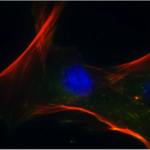 Stem cells are undifferentiated biological cells that have the unique ability to self-renew through cell division and to differentiate into specialized cell types that make up various tissues and organs in the human body. Due to these properties, stem cells play a fundamental role in development, tissue repair, and regenerative medicine.
Types of Stem Cells
Stem cells are broadly classified into several main categories based on their origin, differentiation potential, and stage of development:
1. Embryonic Stem Cells (ESCs)
These cells are derived from early-stage embryos (blastocysts) and are pluripotent, meaning they can differentiate into virtually any cell type in the human body. Due to their high developmental plasticity, they are widely used in basic biomedical research and developmental biology.
2. Fetal Stem Cells
Fetal stem cells are obtained from fetal tissues after early stages of development. They exhibit higher proliferative capacity than adult stem cells and greater differentiation potential. These cells are actively studied for applications in regenerative medicine, particularly for neurological, hematological, and musculoskeletal disorders.
3. Umbilical Cord and Umbilical Cord Blood Stem Cells
Umbilical Cord Blood Stem Cells (UCB-SCs)
-
Rich source of hematopoietic stem cells (HSCs)
-
Commonly used in clinical practice for the treatment of blood disorders such as leukemia, lymphoma, and certain genetic diseases
-
Advantages include lower risk of immune rejection and easier matching compared to bone marrow transplants
Umbilical Cord-Derived Stem Cells (UC-MSCs)
-
Contain mesenchymal stem cells (MSCs) obtained from Wharton’s jelly (the connective tissue of the umbilical cord)
-
Possess strong immunomodulatory and anti-inflammatory properties
-
Actively researched for applications in autoimmune diseases, tissue repair, and inflammatory conditions
4. Adult (Somatic) Stem Cells
These cells are found in various tissues throughout the body and are typically multipotent, meaning they can differentiate into a limited range of cell types related to their tissue of origin. Key examples include:
-
Hematopoietic stem cells (HSCs) – found in bone marrow; give rise to all blood cells
-
Mesenchymal stem cells (MSCs) – found in bone marrow and adipose tissue; can differentiate into bone, cartilage, and fat cells
-
Neural stem cells – present in specific regions of the brain; involved in neural regeneration
5. Induced Pluripotent Stem Cells (iPSCs)
These are adult cells (such as skin or blood cells) that have been genetically reprogrammed to a pluripotent state similar to embryonic stem cells. iPSCs are a major breakthrough in personalized medicine and reduce ethical concerns associated with embryonic stem cells.
Medical and Scientific Uses of Stem Cells
Stem cells are widely studied and applied in several key areas of medicine and biotechnology:
-
Regenerative Medicine and Tissue Engineering
Stem cells are used to repair or replace damaged tissues and organs, including cardiac tissue after heart injury, nerve cells in neurological disorders, and cartilage in joint diseases. -
Treatment of Blood and Immune Disorders
Hematopoietic stem cell transplantation (bone marrow transplant) is an established therapy for leukemia, lymphoma, and other blood-related diseases. -
Disease Modeling and Drug Development
Scientists use stem cells to create disease models in the laboratory, allowing for better understanding of disease mechanisms and testing of new pharmaceuticals. -
Immunomodulation and Anti-Inflammatory Therapy
Certain stem cells, particularly mesenchymal stem cells, have immunoregulatory properties that may help reduce chronic inflammation and autoimmune responses.
Extracellular Vesicles, Bioactive Molecules, and microRNAs Derived from Stem Cells in Therapy
In addition to the use of whole stem cells, a rapidly growing area of regenerative medicine focuses on cell-free therapies based on substances secreted by stem cells. These include extracellular vesicles (EVs), bioactive molecules, and microRNAs (miRNAs), which together form what is often referred to as the stem cell secretome. This approach aims to harness the therapeutic benefits of stem cells while minimizing risks associated with cell transplantation.
Extracellular Vesicles (EVs) from Stem Cells
Extracellular vesicles are small, membrane-bound particles naturally released by cells, including stem cells. The two main types relevant to therapy are:
-
Exosomes (30–150 nm) – formed inside cells and released into the extracellular environment.
-
Microvesicles (100–1000 nm) – shed directly from the cell membrane.
Stem cell–derived EVs contain proteins, lipids, and nucleic acids that can influence recipient cells and tissues. Their therapeutic effects include:
-
Immunomodulation – reducing excessive inflammation and regulating immune responses.
-
Tissue repair and regeneration – promoting cell survival, angiogenesis (formation of new blood vessels), and wound healing.
-
Anti-fibrotic effects – preventing or reducing pathological tissue scarring.
-
Neuroprotection – supporting nerve cell survival and regeneration in neurological conditions.
Because EVs do not replicate like cells, they are considered a safer alternative to direct stem cell transplantation in many applications.
Bioactive Molecules Secreted by Stem Cells
Stem cells release a variety of biologically active substances that contribute to their therapeutic potential, including:
-
Growth factors (e.g., VEGF, TGF-β, IGF-1, EGF) that stimulate tissue regeneration and blood vessel formation.
-
Cytokines and chemokines that regulate immune responses and inflammation.
-
Anti-inflammatory mediators that help reduce chronic inflammation in conditions such as autoimmune diseases and asthma.
These molecules act in a paracrine manner, meaning they affect nearby cells without the need for direct cell replacement.
microRNAs (miRNAs) from Stem Cells
microRNAs are small, non-coding RNA molecules that regulate gene expression by controlling the translation of specific messenger RNAs. Stem cell–derived miRNAs play a crucial role in their therapeutic effects by:
-
Modulating inflammation – suppressing pro-inflammatory pathways.
-
Promoting cell survival and repair – activating regenerative signaling pathways.
-
Regulating fibrosis – preventing excessive tissue scarring.
-
Influencing immune cell behavior – shifting immune responses toward a more balanced state.
Many miRNAs are packaged inside extracellular vesicles, which serve as natural delivery systems to target cells.
Advantages of Cell-Free Stem Cell Therapy
Compared to traditional stem cell transplantation, therapies based on EVs, molecules, and miRNAs offer several potential benefits:
-
Lower risk of immune rejection
-
Reduced risk of uncontrolled cell growth or tumor formation
-
Easier storage, handling, and standardization
-
Possibility of repeated administration
Current Status and Future Perspectives
Stem cell–derived vesicles, molecules, and miRNAs are actively being studied in clinical and preclinical research for applications including:
-
Chronic inflammatory diseases
-
Cardiovascular disorders
-
Neurodegenerative diseases
-
Tissue and wound repair
-
Respiratory diseases, including asthma