
Azoospermia is a complex male reproductive condition characterized by the complete absence of sperm in the ejaculate, leading to infertility. It affects approximately 1% of the male population and up to 10–15% of infertile men.
From a clinical perspective, azoospermia can result from multiple underlying mechanisms, including:
-
Testicular failure (non-obstructive azoospermia)
-
Hormonal dysregulation involving the hypothalamic–pituitary–gonadal (HPG) axis
-
Impaired spermatogenesis within seminiferous tubules
-
Reduced testicular perfusion and ischemia
-
Chronic inflammation and oxidative stress affecting germ cells
In many cases, especially idiopathic azoospermia, the exact cause remains unclear, making treatment particularly challenging.
Patient Overview
Patient: Larry
Age: 42
Country: United Kingdom
Diagnosis: Azoospermia (diagnosed 4 years prior to regenerative therapy)
Larry had been actively seeking treatment for infertility over several years. His medical history included multiple conventional and experimental interventions, which are commonly used in reproductive medicine but often show limited effectiveness in advanced or idiopathic cases.
Clinical Status Before Regenerative Therapy
At the time of admission, the patient presented with:
-
Semen analysis: 0 motile spermatozoa (complete azoospermia)
-
Testicular ischemia: confirmed via Doppler ultrasound (reduced perfusion)
Hormonal Profile:
-
Luteinizing Hormone (LH): 17 IU/L (elevated)
-
Follicle-Stimulating Hormone (FSH): 22 IU/L (significantly elevated)
-
Total Testosterone: 3 ng/mL (low-normal range)
This hormonal pattern is highly indicative of primary testicular failure, where the testes are unresponsive despite strong stimulation from the pituitary gland.
Previous Treatments and Why They Were Not Sufficient
Initial treatment focused on hormonal therapy aimed at stimulating spermatogenesis through activation of the hypothalamic–pituitary–gonadal axis. From a clinical standpoint, this approach is effective in cases where hormonal insufficiency is the primary issue. However, Larry’s laboratory profile revealed a different picture.
At the time, his luteinizing hormone (LH) level was 17 IU/L and follicle-stimulating hormone (FSH) was 22 IU/L — both significantly elevated. These values indicate that the pituitary gland was already exerting maximal stimulation on the testes. Despite this, sperm production remained absent, suggesting that the underlying dysfunction was localized within the testicular tissue itself.
Subsequent therapeutic attempts included ultrasound-based interventions designed to improve local circulation, as well as platelet-rich plasma (PRP) therapy. PRP introduces concentrated growth factors such as vascular endothelial growth factor (VEGF) and platelet-derived growth factor (PDGF), which can support tissue repair and cellular activation.
However, these approaches rely on the presence of viable and responsive cells within the target tissue. In cases where the spermatogenic niche is significantly compromised — due to ischemia, cellular depletion, or structural damage — their regenerative potential remains limited. In Larry’s case, these treatments did not lead to any measurable improvement. 

CONTACT OUR DOCTOR

Clinical Status Before Regenerative Therapy
At the time of admission for regenerative treatment, Larry’s condition reflected advanced functional impairment:
Semen analysis confirmed 0 active spermatozoa, consistent with complete azoospermia.
Doppler ultrasound indicated testicular ischemia, with reduced perfusion affecting tissue viability.
His hormonal profile was as follows:
-
LH: 17 IU/L
-
FSH: 22 IU/L
-
Testosterone: 3 ng/mL
This pattern is characteristic of primary testicular insufficiency, where the testes fail to respond adequately despite strong hormonal stimulation. It suggests a breakdown not only in sperm production, but in the broader biological environment necessary to support it.
Pathophysiology: What Was Really Happening
At a deeper level, Larry’s condition involved a combination of interrelated mechanisms.
Reduced blood flow to the testes resulted in chronic hypoxia, limiting oxygen and nutrient delivery to germinal tissue. This environment promotes oxidative stress, leading to cellular damage and impaired function of Sertoli and Leydig cells. Over time, the specialized microenvironment required for spermatogenesis — often referred to as the stem cell niche — becomes disrupted.
In parallel, the hormonal imbalance observed in elevated LH and FSH levels reflects a loss of communication between the pituitary gland and the testes. The body continues to signal for sperm production, but the local tissue is no longer capable of responding effectively.
In this context, azoospermia is not simply the absence of sperm, but the consequence of a multi-level system failure involving vascular, cellular, and endocrine components.
Regenerative Treatment Strategy
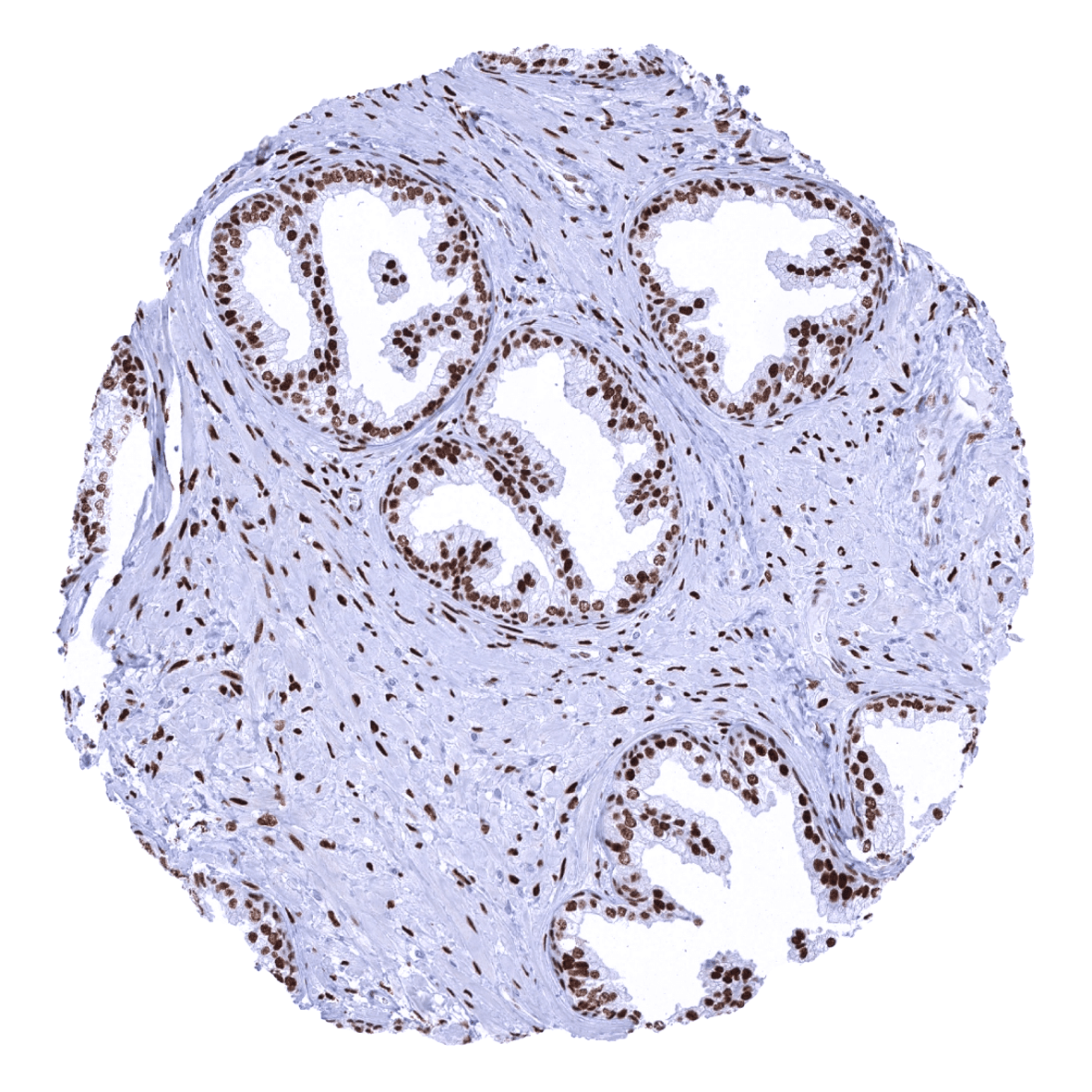

Given the complexity of the condition, the therapeutic approach was designed not to stimulate isolated pathways, but to restore the entire functional environment of the testes.
The treatment combined several advanced regenerative components, each targeting a specific aspect of the underlying pathology.
Mesenchymal stem cells were used to modulate inflammation and reduce oxidative stress while supporting the regeneration of testicular stromal tissue. Their role was to stabilize the microenvironment and create conditions favorable for cellular recovery.
Endothelial progenitor cells were introduced to address vascular insufficiency. By promoting angiogenesis and restoring endothelial integrity, these cells improved microcirculation, enabling better oxygenation and nutrient delivery to the affected tissue.
Androgen-producing (Leydig-like) cells were included to support local testosterone synthesis within the testes. This is particularly important, as intratesticular testosterone plays a critical role in spermatogenesis, beyond what can be measured systematically.
Exosomes were utilized as biological signaling mediators, capable of delivering regulatory RNA and growth factors directly into the tissue. Their role was to activate dormant cellular pathways, enhance intercellular communication, and amplify the regenerative response.
Clinical Outcomes and Timeline
The first phase of recovery became evident within the initial three to three and a half months following therapy. During this period, significant changes were observed in the hormonal profile.
LH levels decreased from 17 to 4.8 IU/L, while FSH decreased from 22 to 6.4 IU/L. At the same time, testosterone levels increased from 3 to 4.8 ng/mL. These shifts indicate a restoration of feedback mechanisms and improved responsiveness of testicular tissue to endocrine signaling.
This stage marked a critical turning point, suggesting that the testes were no longer in a state of complete functional resistance.
Between the fifth and sixth months, the first signs of spermatogenic recovery were observed. Standard semen analysis revealed the presence of isolated motile spermatozoa. While limited in number, this finding carries significant clinical importance.

 The appearance of even a small number of viable sperm cells indicates that previously inactive regions within the seminiferous tubules have begun to function again. It reflects partial restoration of the spermatogenic niche and reactivation of germ cell development.
Long-Term Plan and Reproductive Outlook
At nine months post-treatment, the patient is preparing for testicular sperm extraction (TESE), with planned cryopreservation of retrieved sperm for use in intracytoplasmic sperm injection (ICSI).
This step represents a transition from theoretical recovery to practical reproductive opportunity. Even a limited number of viable sperm cells can be sufficient for assisted fertilization techniques, offering a realistic pathway toward biological parenthood.
Additional Clinical Improvements
In parallel with reproductive changes, improvements were observed in testicular blood flow, as confirmed by Doppler imaging. Laboratory findings indicated a reduction in inflammatory activity and improved metabolic stability, supporting the broader regenerative effect of the therapy.
These findings reinforce the concept that recovery was not limited to a single parameter, but involved systemic and local restoration of tissue function.

Conclusion: Reframing Azoospermia
This case illustrates that azoospermia, particularly in its non-obstructive and idiopathic forms, should not always be viewed as an irreversible endpoint. Instead, it may represent a state of suppressed biological function resulting from an unfavorable microenvironment.
By addressing vascular insufficiency, cellular dysfunction, and hormonal imbalance simultaneously, regenerative medicine offers the possibility of reactivating intrinsic repair mechanisms and restoring spermatogenesis.
For patients who have exhausted conventional treatment options, this approach provides not only a therapeutic alternative, but a renewed perspective on what may still be biologically achievable.