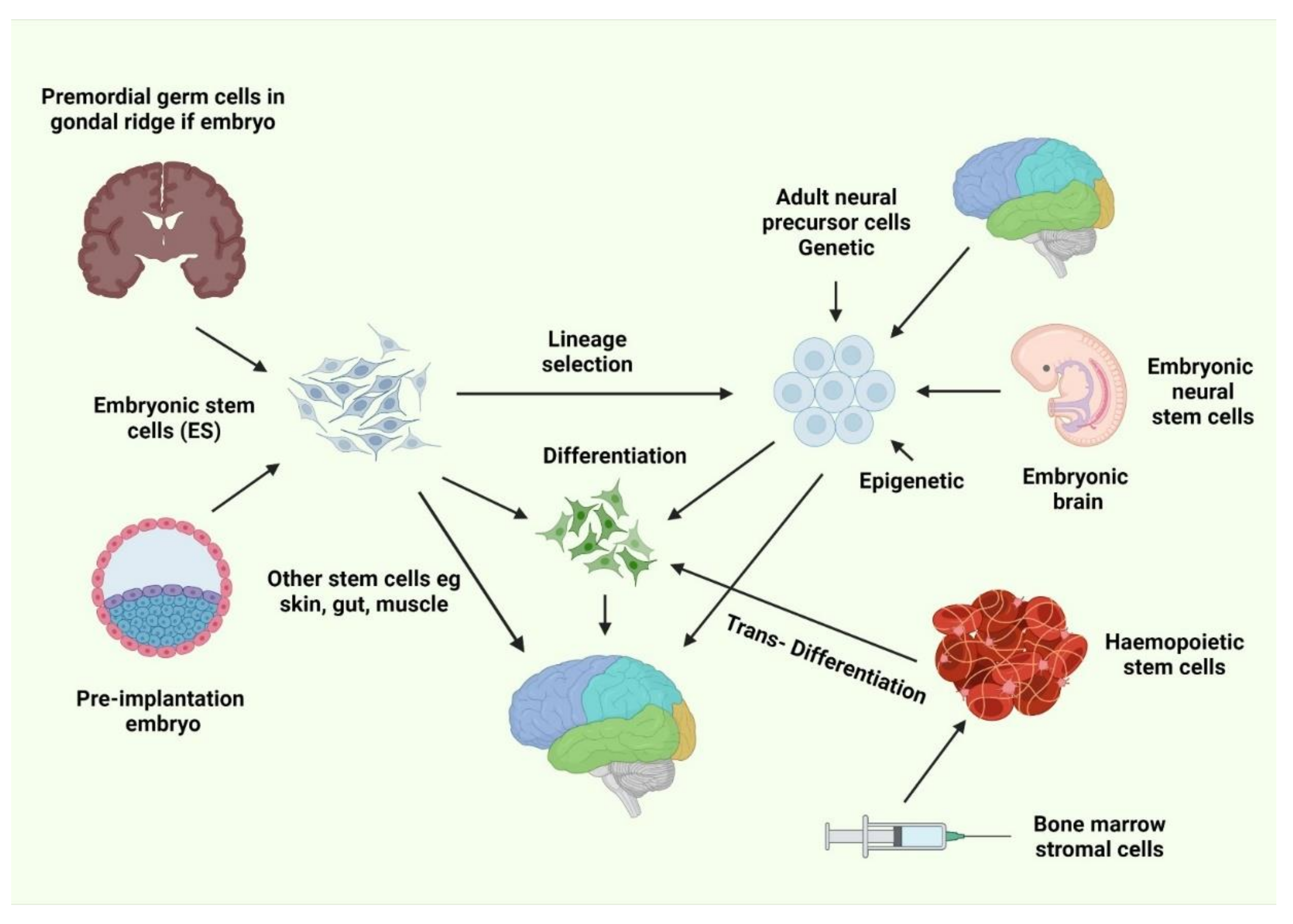
Key Biochemical and Functional Changes After Stem Cell–Based Therapy and Their Impact on Cognition
1. Reduction of Neuroinflammation and Immune Rebalancing
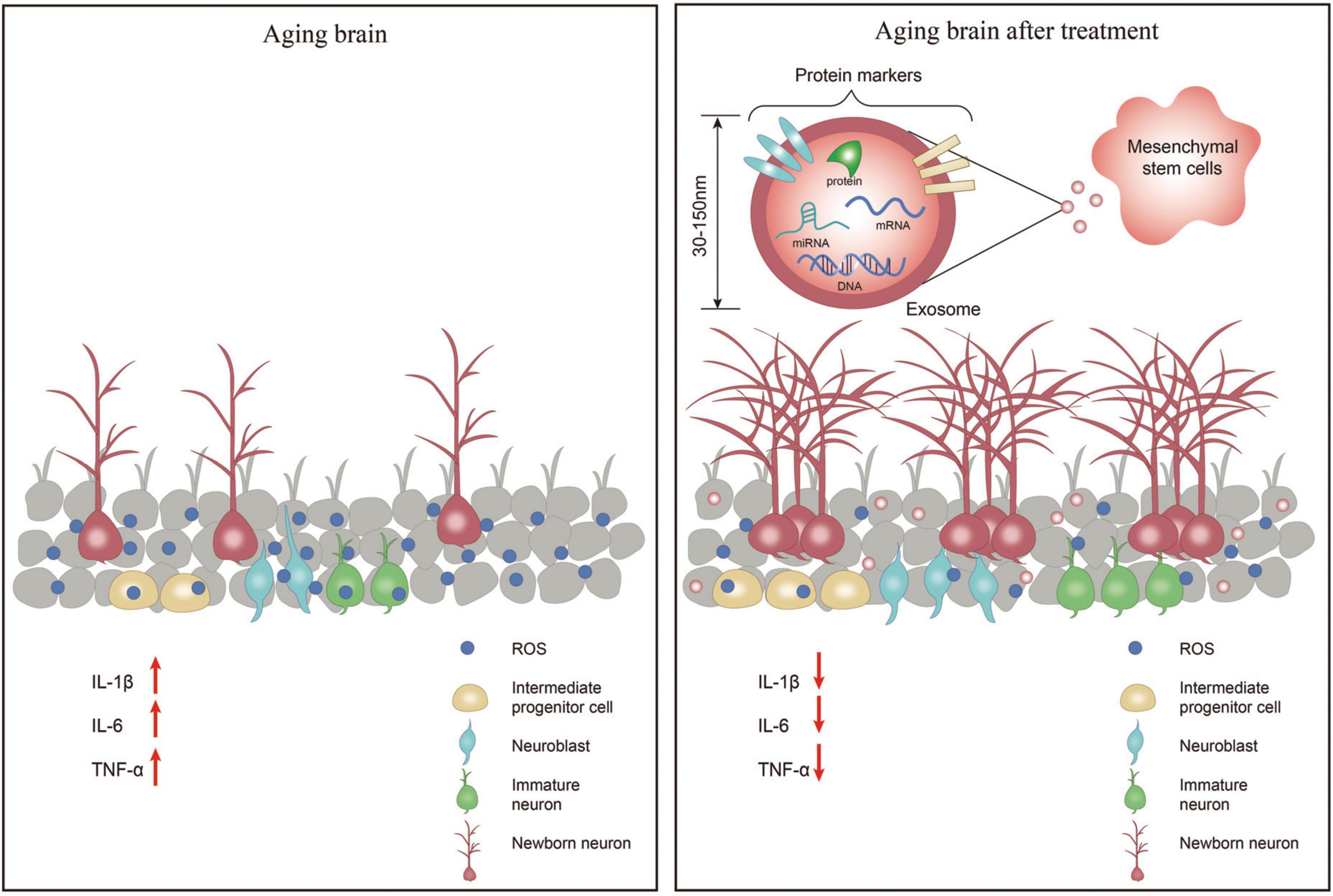
One of the most consistent biochemical effects of stem cell and exosome-based therapies is the modulation of the immune response in the brain and peripheral nervous system. Many neurodevelopmental and neurodegenerative conditions are associated with chronic low-grade neuroinflammation, characterized by overactivation of microglia and elevated levels of pro-inflammatory cytokines such as TNF-α, IL-1β, and IL-6.
After therapy, there is often a shift toward a more anti-inflammatory environment. Regulatory immune pathways become more active, while excessive inflammatory signaling is dampened. This reduction in neuroinflammation decreases ongoing neural stress and prevents secondary damage to neurons and synapses. As a result, neural networks can function more efficiently, which supports improvements in attention, information processing, and learning capacity.
2. Enhanced Neurotrophic Support and Synaptic Plasticity
Stem cells and their derivatives release a broad range of neurotrophic factors, including brain-derived neurotrophic factor (BDNF), nerve growth factor (NGF), and glial cell–derived neurotrophic factor (GDNF). These molecules play a central role in neuronal survival, synaptic formation, and synaptic plasticity — the brain’s ability to strengthen or weaken connections based on experience.
Following therapy, increased availability of these factors supports the formation of new synapses and the refinement of existing neural circuits. This enhanced synaptic plasticity is closely linked to improvements in memory, learning, language processing, and adaptive behavior, as the brain becomes more capable of reorganizing itself in response to environmental and educational input.
3. Improved Myelination and Neural Signal Transmission
Another important functional change involves support for oligodendrocytes and myelin repair. Myelin is the insulating layer around axons that enables fast and efficient electrical signal transmission between neurons.
Stem cell–derived exosomes and neural progenitor cells can promote the maturation of oligodendrocyte precursor cells and stimulate remyelination. As myelin integrity improves, neural signals travel more rapidly and reliably across brain networks. This translates into better cognitive efficiency, faster processing speed, improved coordination between brain regions, and clearer communication between sensory, motor, and cognitive systems.
4. Restoration of Mitochondrial Function and Cellular Energy Metabolism
Many individuals with autism, Down syndrome, and other developmental disorders show signs of mitochondrial dysfunction, meaning their neurons may struggle to produce sufficient energy. Impaired mitochondrial activity can contribute to cognitive fatigue, slower information processing, and reduced neural resilience.
Stem cell therapy has been associated with stimulation of mitochondrial biogenesis — the generation of new, healthier mitochondria — and improved ATP production. This enhances the overall energy availability within neurons, allowing them to fire more consistently, maintain synaptic connections, and sustain cognitive activity for longer periods. Functionally, this can manifest as better attention, improved endurance in learning tasks, and clearer mental processing.
5. Reduction of Oxidative Stress and Cellular Protection
Excess oxidative stress — an imbalance between free radicals and antioxidant defenses — can damage neurons and disrupt synaptic communication. Stem cells and exosomes release antioxidant molecules and activate protective cellular pathways that reduce oxidative damage.
As oxidative stress decreases, neurons become more stable and resilient. This preservation of neuronal integrity supports long-term cognitive function, protecting learning capacity, memory retention, and executive functions such as planning and decision-making.
6. Enhanced Blood Flow and Neurovascular Support
Stem cell–based therapies can promote angiogenesis, the formation of new blood vessels, and improve overall cerebral blood flow. Better circulation means more oxygen and nutrients reach active brain regions, while metabolic waste products are removed more efficiently.
Improved neurovascular support enhances brain metabolism and creates a more favorable environment for neural activity. This is associated with clearer cognitive performance, improved alertness, and better integration of sensory and cognitive information.
7. Strengthening of Neural Network Connectivity
Rather than acting on isolated cells, stem cell therapies tend to influence entire neural networks. By reducing inflammation, improving myelination, and enhancing synaptic plasticity, communication between different brain regions becomes more coordinated.
This improved connectivity is particularly relevant for higher-order cognitive functions such as language, social cognition, problem-solving, and working memory. The brain becomes more synchronized, allowing information to flow more smoothly across cortical and subcortical regions.
How These Changes Translate Into Cognitive Improvement
Taken together, these biochemical and functional shifts create a more supportive, efficient, and adaptable brain environment. Cognition does not improve because new neurons simply “replace” old ones; rather, the existing neural system becomes healthier, more plastic, and more capable of learning and adaptation.
In practical terms, this may be reflected in:
-
Better attention and focus
-
Improved learning speed and memory retention
-
Enhanced language comprehension and expression
-
Greater cognitive flexibility and problem-solving ability
-
Reduced mental fatigue
-
More stable emotional and behavioral regulation
Important Perspective
These mechanisms describe how stem cell–based therapies are thought to work biologically based on current research. The degree of cognitive improvement varies widely among individuals and depends on factors such as age, underlying condition, severity of neurological differences, and combination with rehabilitation and educational interventions.