Stem Cell–Based Neuroprotection in Parkinson’s Disease: Clinical Perspectives
Stem cell–based neuroprotection in Parkinson’s disease: iPSC-derived neural cells, neurotrophins, exosomes, mitochondrial support, clinical outcomes, and…
Introduction: Parkinson’s Disease Beyond Motor Symptoms
Parkinson’s disease (PD) is a progressive neurodegenerative disorder that affects not only movement but also cognition, mood, sleep, and overall quality of life. For many patients, the diagnosis triggers a long and emotionally complex journey marked by uncertainty, fear of progression, and a constant search for options that may slow the disease rather than simply mask symptoms.
While conventional pharmacological treatments—primarily dopamine replacement therapies—remain the standard of care, they do not address the underlying neurodegenerative process. Over time, their effectiveness may diminish, and side effects may increase. As a result, many patients and their families actively explore disease-modifying and regenerative approaches, including stem cell–based neuroprotective strategies. Read more about PD results : STEM CELLS RESULTS OF PARKINSON'S DISEASE THERAPY
This article examines stem cell–based neuroprotection in Parkinson’s disease from a clinical and biological perspective, with particular focus on induced pluripotent stem cells (iPSCs), lineage-specific neural cells, and advanced combination therapies involving neurotrophic factors, exosomes, mitochondria, and metabolic support molecules such as NADH.

The Psychology of Parkinson’s Patients: Why Neuroprotection Matters
Understanding patient psychology is essential when discussing advanced therapies for Parkinson’s disease.
Patients living with Parkinsonism frequently experience depressive and emotionally flattened states that go far beyond ordinary sadness. The awareness of a progressive neurological diagnosis often generates a persistent fear of rapid disease advancement, loss of independence, and the inability to remain functional for themselves and their families. Many patients struggle with anticipatory anxiety—worrying not only about current symptoms, but about future limitations, cognitive decline, and becoming a burden to loved ones. Neurochemical changes in the brain, particularly involving dopamine and serotonin pathways, further intensify depressive symptoms, apathy, and emotional withdrawal. This emotional burden can significantly affect motivation, adherence to treatment, and overall quality of life, making psychological support and holistic care as essential as physical symptom management in Parkinsonism.
OBSERVE NEW PROTOCOL OF PARKINSON'S DISEASE 2026
Fear of Progression
One of the most common concerns among patients is not their current symptom burden, but what lies ahead:
- Loss of independence
- Cognitive decline
- Reduced mobility
- Increased caregiver dependence
This fear often drives patients to seek therapies aimed at slowing progression, not just improving symptoms.
Openness to Experimental and Regenerative Therapies
Patients with Parkinson’s disease are among the most informed and research-oriented patient groups. Many:
- Read scientific publications
- Follow clinical trials
- Compare international treatment approaches
They are often open to innovative or experimental therapies—provided that the biological rationale is sound and risks are clearly explained.
Active Family Involvement
For people living with Parkinsonism, it is critically important not to face the illness in isolation. Opening up to close family members and loved ones about the diagnosis, fears, and daily challenges allows emotional support to become a powerful part of the healing process. When patients do not withdraw into themselves and maintain an interest in life, relationships, and meaningful activities, the support of those around them can transform from simple care into a source of motivation and strength. Understanding, patience, and encouragement from family often help patients stay engaged in treatment, remain active, and preserve a sense of purpose. This shared journey not only reduces emotional burden but also creates a positive environment where support becomes an additional stimulus for resilience, adaptation, and long-term well-being.
Decisions are rarely made alone. Spouses, adult children, and caregivers frequently:
- Participate in consultations
- Review medical literature
- Ask detailed questions about safety and outcomes
For this reason, transparency and comprehensive education are essential.
Parkinson’s Disease as a Neurodegenerative Process
At its core, Parkinson’s disease is characterized by:
- Progressive loss of dopaminergic neurons in the substantia nigra
- Chronic neuroinflammation
- Mitochondrial dysfunction
- Oxidative stress
- Impaired neurotrophic support
These processes begin years before motor symptoms appear and continue despite symptomatic treatment. Research more info: SUCCESS RATE OF PARKINSON'S DISEASE THERAPY
Why Neuroprotection Is a Key Therapeutic Goal
Neuroprotection in Parkinsonism refers to therapeutic strategies aimed at preserving the structure and function of surviving neurons, particularly dopaminergic neurons, rather than merely replacing dopamine or alleviating symptoms. In Parkinsonian disorders, progressive neuronal loss is driven by oxidative stress, mitochondrial dysfunction, chronic neuroinflammation, and abnormal protein aggregation. Neuroprotective approaches focus on slowing or halting these underlying pathological processes by reducing inflammatory signaling, limiting oxidative damage, supporting mitochondrial health, and promoting neuronal survival pathways. By stabilizing the neural environment and protecting existing neurons from further degeneration, neuroprotection seeks to delay disease progression, maintain motor and cognitive function for longer periods, and improve long-term quality of life, even if full neuronal regeneration is not achieved.
Neuroprotection refers to interventions aimed at:
- Preserving existing neurons
- Reducing toxic cellular environments
- Supporting neuronal metabolism
- Slowing or stabilizing disease progression
Stem cell–based therapies are increasingly studied not only for their regenerative potential, but for their paracrine, immunomodulatory, and neurotrophic effects.

Induced Pluripotent Stem Cells (iPSCs): A Foundation for Precision Neurotherapy
What Are iPSCs?
In the treatment of Parkinsonism, induced pluripotent stem cells (iPSCs) can be created by reprogramming a patient’s own somatic cells, most commonly obtained from a simple blood sample. In a specialized laboratory, selected blood cells are exposed to specific reprogramming factors that reset them to a pluripotent state, meaning they regain the ability to develop into many different cell types while retaining the patient’s genetic identity. These patient-derived iPSCs are then carefully expanded and guided under controlled conditions to differentiate into dopaminergic neuron precursors relevant to Parkinson’s disease. Because the cells originate from the patient, the risk of immune rejection is significantly reduced, and the therapy can be tailored to the individual’s biological profile. This approach allows researchers and clinicians to model the disease, study neuronal vulnerability, and develop personalized regenerative strategies aimed at supporting neural function and potentially slowing disease progression.
Induced pluripotent stem cells are adult somatic cells (such as skin or blood cells) that have been reprogrammed into a pluripotent state. They share many properties with embryonic stem cells, including:
- Ability to differentiate into neural lineages
- High proliferative capacity
- Patient-specific or immunologically compatible profiles
Advantages of iPSCs in Parkinson’s Disease
iPSCs offer several advantages for neurodegenerative applications:
- Ethical acceptability
- Customizable differentiation into specific neural cell types
- Reduced risk of immune rejection when autologous or matched
Rather than using undifferentiated cells, modern approaches focus on controlled differentiation into neural progenitors and mature neural subtypes relevant to Parkinson’s pathology.
Lineage-Specific Neural Cells in Parkinson’s Therapy
Dopaminergic Neuron Support Rather Than Replacement
While early stem cell research focused on direct replacement of dopaminergic neurons, current clinical perspectives emphasize support and protection of remaining neurons.
Differentiated neural cells derived from iPSCs can:
- Secrete neurotrophic factors
- Modulate inflammatory microenvironments
- Support synaptic stability
Neural Subtypes Used in Neuroprotective Strategies
Neural Progenitor Cells (NPCs)
- Provide broad neurotrophic and immunomodulatory support
- Adapt to host microenvironment
- Promote endogenous repair mechanisms
Oligodendrocyte Lineage Cells
- Support axonal integrity and myelination
- Improve neuronal signal transmission
- Protect axons from metabolic stress
Axonal and Synaptic Support Cells
- Promote synaptic plasticity
- Enhance neuronal connectivity
- Support compensatory neural networks
These cells are not intended to replace entire neural circuits, but to stabilize and protect existing ones.

Neurotrophic Factors: Rebuilding the Neuronal Environment
The Role of Neurotrophins in Parkinson’s Disease
Neurotrophins play a unique role in neuroregenerative therapies because, unlike stem cells, they are small signaling proteins capable of crossing the blood–brain barrier (BBB), which is one of the main obstacles in treating neurological disorders. Their relatively low molecular size allows them to reach brain tissue more efficiently and interact directly with neurons and glial cells. When neurotrophins are delivered within bioengineered carriers such as exosomes—often described as biological “capsules”—their targeting becomes even more precise. Exosomes act as natural conductors, carrying neurotrophins and regulatory molecules while recognizing inflammatory signals and molecular markers released from damaged neural tissue. This biological navigation system enables the therapeutic payload to localize to areas of injury or degeneration, where it can support neuronal survival, synaptic plasticity, and repair processes. As a result, neurotrophin–exosome complexes represent a highly focused and biologically intelligent approach to neuroprotection and neural recovery.
Neurotrophic factors such as:
- BDNF (Brain-Derived Neurotrophic Factor)
- GDNF (Glial Cell Line–Derived Neurotrophic Factor)
- NGF (Nerve Growth Factor)
are essential for:
- Neuronal survival
- Axonal growth
- Synaptic maintenance
In Parkinson’s disease, endogenous neurotrophic support is often reduced.
READ: Stem Cells Therapy Parkinson's Disease Case Study in Details
Exosomes as Neurotrophin Delivery Systems
Exosomes are nanoscale extracellular vesicles capable of:
- Crossing the blood–brain barrier
- Delivering proteins, RNA, and signaling molecules
- Targeting neurons and glial cells
When combined with neurotrophins, exosomes act as biological carriers, improving:
- Stability
- Bioavailability
- Cellular uptake
This approach allows neurotrophic signaling without direct cell transplantation in some protocols.
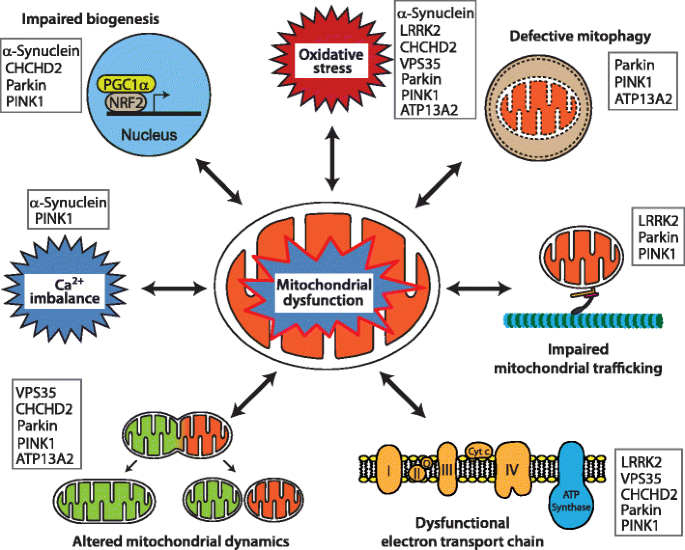
Mitochondrial Dysfunction and Metabolic Support
Mitochondria in Parkinson’s Pathophysiology
Mitochondrial dysfunction is a central feature of Parkinson’s disease:
- Reduced ATP production
- Increased oxidative stress
- Impaired neuronal survival
Mitochondria play a central role in Parkinsonism because they are responsible for producing the energy required for normal neuronal and muscular function. In Parkinson’s disease, mitochondrial dysfunction is considered one of the key mechanisms driving neurodegeneration, as impaired energy production leads to increased oxidative stress and reduced neuronal resilience, particularly in dopamine-producing neurons that have high energy demands. When mitochondria fail to function efficiently, cells struggle to maintain normal signaling, repair processes, and metabolic balance, which contributes to fatigue, muscle rigidity, and progressive loss of motor control. Supporting mitochondrial health is therefore essential not only for protecting neurons but also for maintaining the overall energy level of the body, improving physical endurance, cognitive clarity, and the patient’s ability to cope with daily activities as the disease progresses.
Mitochondrial Augmentation Strategies
Emerging therapies explore:
- Mitochondrial transfer via vesicles
- Mitochondria-supporting co-therapies
- Cellular metabolic rebalancing
These approaches aim to restore energy production in vulnerable neurons.
NADH and Cellular Energy Restoration
The level of NAD⁺ (nicotinamide adenine dinucleotide) has a significant impact on patients with Parkinsonism because it plays a crucial role in cellular energy metabolism, mitochondrial function, and neuronal survival. NAD⁺ is essential for oxidative phosphorylation, the process by which mitochondria generate ATP, and its decline leads to reduced energy availability in neurons that are already under metabolic stress in Parkinson’s disease. Low NAD⁺ levels are also associated with increased oxidative damage, impaired DNA repair, and reduced activity of sirtuins—enzymes involved in cellular protection, inflammation control, and neuroprotection. In patients with Parkinsonism, a decrease in NAD⁺ can worsen fatigue, accelerate neurodegenerative processes, and reduce the brain’s ability to compensate for dopaminergic neuron loss. Conversely, maintaining or restoring adequate NAD⁺ levels may help support mitochondrial efficiency, enhance neuronal resilience, slow functional decline, and improve overall energy balance and quality of life.
NADH plays a critical role in:
- Mitochondrial electron transport
- Cellular redox balance
- Neurotransmitter synthesis
Supplementation strategies targeting NAD+/NADH balance are increasingly investigated as adjunctive neuroprotective tools, particularly when combined with stem cell–based interventions.
Combined Therapeutic Approaches: Why Monotherapy Is Rarely Enough
Parkinson’s disease is multifactorial. For this reason, modern regenerative strategies increasingly rely on combination protocols, integrating:
- iPSC-derived neural cells
- Neurotrophins
- Exosome-based delivery systems
- Mitochondrial and metabolic support
- Anti-inflammatory signaling molecules
The goal is not a single dramatic intervention, but multi-layered stabilization of the neurodegenerative process. Find more information: Stem cell treatment for Parkinson's syndrome
Clinical Outcomes: What Can Patients Realistically Expect?
Slowing of Disease Progression
While stem cell–based neuroprotective therapies are not considered a cure, clinical observations suggest potential for:
- Slower progression of motor symptoms
- Reduced rate of functional decline
- Improved stability over time
Support of Dopaminergic Neurons
Patients may experience:
- Improved responsiveness to standard medications
- Reduced motor fluctuations
- Better symptom control at lower drug doses
Quality of Life Improvements
Reported benefits in selected patients include:
- Improved motor coordination
- Reduced fatigue
- Better sleep quality
- Enhanced emotional stability
Importantly, outcomes vary depending on:
- Disease stage
- Individual biology
- Treatment protocol design
Conclusion: A Rational, Neuroprotective Path Forward
Stem cell–based neuroprotection in Parkinson’s disease represents a shift from symptom management toward biological stabilization and neural support. By combining iPSC-derived neural cells, neurotrophic signaling, exosome-based delivery, and metabolic support, modern protocols aim to modify the disease environment itself.
For patients and families who carefully research their options, this approach offers not unrealistic promises, but a scientifically grounded strategy focused on slowing progression, protecting remaining neurons, and preserving quality of life for as long as possible.
FREE CONSULTATION