

Heart failure remains one of the leading causes of morbidity and mortality worldwide, despite significant advances in pharmacological and device-based therapies. Conventional treatments primarily aim to reduce symptoms, slow disease progression, and improve survival, yet they do not address the fundamental problem underlying heart failure: the irreversible loss of functional cardiomyocytes.
In recent years, regenerative cardiology has emerged as a promising field, with cardiomyocyte-based stem cell therapy representing one of the most innovative and biologically targeted approaches. Unlike earlier stem cell strategies focused mainly on paracrine support, this new direction seeks to restore contractile myocardial tissue itself.
Stem Cells Treatment for Heart Failure and Cardiomyopathy TREATMENT PROTOCOL 2026
This article explores the scientific rationale, biological mechanisms, step-by-step therapeutic processes, clinical outcomes, and current limitations of cardiomyocyte-based stem cell therapy in heart failure.
Understanding Heart Failure at the Cellular Level
Heart failure is not a single disease but a clinical syndrome resulting from structural or functional impairment of the myocardium. Regardless of etiology—ischemic heart disease, cardiomyopathy, hypertension, or myocarditis—the final common pathway involves:
- Progressive loss of cardiomyocytes
- Replacement of functional myocardium with fibrotic tissue
- Impaired excitation–contraction coupling
- Reduced cardiac output and increased ventricular remodeling
Adult human cardiomyocytes have extremely limited regenerative capacity. Once lost due to ischemia or chronic stress, they are largely replaced by non-contractile scar tissue. This fundamental limitation explains why standard therapies cannot reverse myocardial damage.
Research more information about stem cells therapy of heart diseases: Stem cells treatment of heart diseases
Why Cardiomyocytes Matter in Regenerative Cardiology
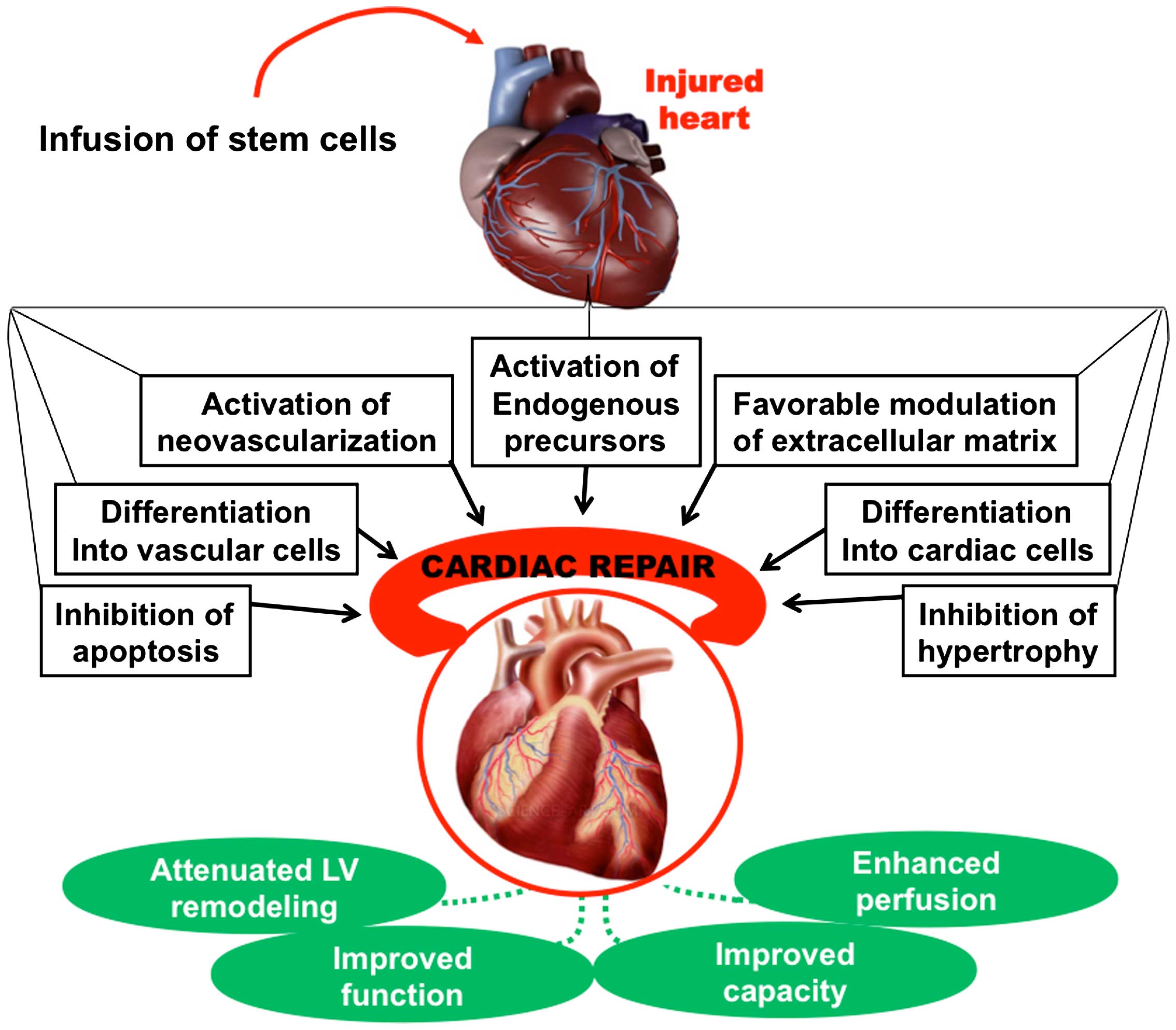
Earlier stem cell approaches in cardiology focused primarily on mesenchymal stem cells (MSCs) or bone marrow–derived cells. While these strategies demonstrated modest improvements in symptoms and ventricular function, their benefits were largely attributed to paracrine effects, such as inflammation reduction and angiogenesis, rather than true myocardial regeneration.
Cardiomyocyte-based therapy represents a conceptual shift:
- Targeting cell replacement, not only support
- Restoring contractile units within damaged myocardium
- Reintegrating new cells into the cardiac syncytium
The goal is not merely to improve the cardiac environment, but to rebuild functional heart muscle.

Sources of Cardiomyocytes for Therapeutic Use
Induced Pluripotent Stem Cell–Derived Cardiomyocytes (iPSC-CMs)
The most extensively studied source of therapeutic cardiomyocytes is induced pluripotent stem cells (iPSCs). These cells are generated by reprogramming adult somatic cells into a pluripotent state, followed by controlled differentiation into cardiomyocytes.
Key advantages:
- Ability to generate large numbers of cardiomyocytes
- Potential for autologous or HLA-matched allogeneic use
- High degree of cardiac lineage specificity
Challenges include maturation, electrical stability, and immune compatibility.
Embryonic Stem Cell–Derived Cardiomyocytes
Embryonic stem cell–derived cardiomyocytes have demonstrated robust differentiation potential and contractile function in preclinical models. However, ethical considerations and regulatory constraints limit their widespread clinical application.
Step-by-Step Mechanisms of Cardiomyocyte-Based Therapy
Step 1: Cell Differentiation and Maturation
Stem cells undergo directed differentiation into cardiomyocytes using tightly regulated signaling pathways, including Wnt, BMP, and TGF-β modulation. Early-stage cardiomyocytes resemble fetal cells and must undergo further maturation to develop:
- Organized sarcomeres
- Functional ion channels
- Calcium handling capacity
- Contractile force generation
Ongoing research focuses on enhancing structural and metabolic maturity before transplantation.
Step 2: Delivery to the Myocardium
Cardiomyocytes may be delivered via:
- Intramyocardial injection
- Intravenous injections
Step 3: Engraftment and Survival
Following transplantation, cardiomyocytes face a hostile environment characterized by:
- Hypoxia
- Inflammation
- Mechanical stress
Successful engraftment depends on:
- Adequate vascular support
- Anti-inflammatory modulation
- Protection from apoptosis
Adjunctive strategies such as pro-survival cocktails, biomaterials, or co-transplantation with endothelial cells are actively explored.
Step 4: Functional Remodeling and Outcome
If integration is successful, transplanted cardiomyocytes may contribute to:
- Improved regional contractility
- Reduced ventricular dilation
- Partial reversal of adverse remodeling
- Enhanced ejection fraction
These effects tend to develop gradually over months rather than weeks.
Role of Supporting Cells and Combination Strategies
Endothelial Cells and Vascularization
Cardiomyocyte survival is tightly linked to oxygen supply. Endothelial progenitor cells are often studied in combination therapies to promote neovascularization, improve perfusion, and support long-term graft viability.
Exosomes and Paracrine Enhancement
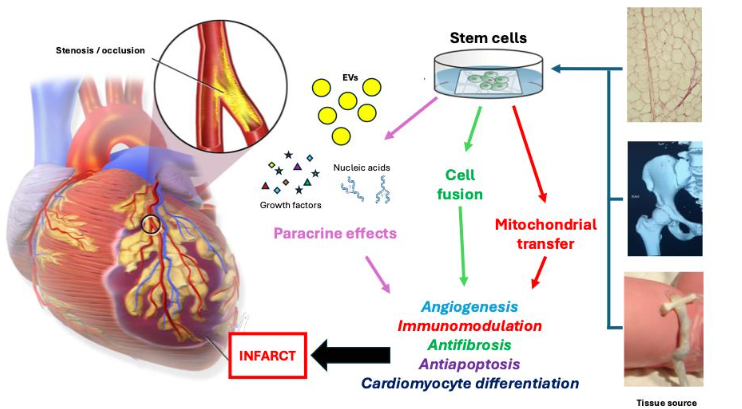
Stem cell–derived exosomes are increasingly recognized as key mediators of regenerative signaling. In cardiomyocyte-based therapy, exosomes may:
- Reduce inflammation
- Promote angiogenesis
- Enhance cardiomyocyte survival
- Improve mitochondrial function
Some strategies explore sequential or combined delivery of cardiomyocytes and exosomes to optimize outcomes.
Mitochondrial Transfer and Metabolic Support
Cardiac energy metabolism is severely impaired in heart failure. Experimental research suggests that mitochondrial support from stem cell–derived vesicles may help restore metabolic efficiency in damaged cardiomyocytes, although this approach remains largely preclinical.
SUCCESS RATE OF THERAPY: Stem Cell Therapy Success Rate: What Patients Should Know About Effectiveness and Results
Clinical Results and Current Evidence
Early-phase clinical trials and translational studies have demonstrated:
- Modest but measurable improvements in left ventricular ejection fraction
- Improved exercise tolerance in selected patients
- Reduction in scar size in some imaging studies
However, results remain variable, and long-term durability is still under investigation.
Importantly, cardiomyocyte-based therapies have shown greater regenerative potential than non-cardiac stem cell approaches, but also present higher technical and safety complexity.
Read more : Stem cells therapy of heart failure condition
Patient Selection and Future Directions
Patients most likely to benefit include:
- Individuals with ischemic heart failure and localized myocardial loss
- Patients with preserved ventricular geometry
- Those without advanced fibrosis or severe arrhythmias
Future research focuses on:
- Improving cardiomyocyte maturation
- Enhancing electrical integration
- Developing off-the-shelf allogeneic products
- Combining cell therapy with gene and biomaterial technologies
Clinical Outcomes and Treatment Effectiveness
Clinical and translational studies investigating cardiomyocyte-based stem cell therapy for heart failure report measurable but variable functional improvements in selected patient populations. Unlike earlier stem cell approaches focused mainly on paracrine support, cardiomyocyte-based strategies aim to contribute directly to myocardial contractility. Early-phase trials and advanced preclinical models have demonstrated improvements in left ventricular function, particularly in patients with ischemic heart failure and localized myocardial damage.
Reported Success Rates and Functional Improvement
Reported clinical response rates vary depending on patient selection, disease stage, and delivery method. Across early human studies and controlled observational trials, approximately 50–70% of treated patients demonstrate clinically meaningful improvement, defined as at least one of the following:
- Increase in left ventricular ejection fraction (LVEF) by 10-25 percentage points
- Improved exercise tolerance (e.g., 16-minute walk test)
- Reduction in heart failure symptoms (NYHA class improvement)
ADVANTAGES OF OUR CLINIC :Stem Cell Treatment Abroad: An International Clinic with Advanced Regenerative Medicine Solutions
It is important to note that “success” in this context refers to functional stabilization or partial recovery, not complete myocardial regeneration.
Duration and Sustainability of Treatment Effects
Follow-up data suggest that observed benefits may persist for 12 to 48 months in responsive patients. In some cases, improvements in cardiac function appear to stabilize rather than continue to increase over time, indicating that cardiomyocyte therapy may slow or partially reverse adverse remodeling rather than fully normalize cardiac structure. Long-term durability beyond five years remains under active investigation, and standardized maintenance strategies have not yet been established.
Structural and Imaging-Based Findings
Advanced imaging studies, including cardiac MRI, have shown localized improvements in myocardial wall motion and reduced scar burden in a subset of patients. These structural changes are generally modest but correlate with functional improvements. Importantly, imaging data suggest that successful engraftment and survival of transplanted cardiomyocytes are key determinants of long-term benefit, reinforcing the importance of delivery technique and myocardial microenvironment.
Find other medical information: Stem cell treatment for congenital heart defects
Variability of Response and Predictive Factors
One of the most consistent findings across studies is high interpatient variability. Better outcomes are typically observed in patients with:
- Ischemic rather than diffuse cardiomyopathy
- Preserved ventricular geometry
- Limited myocardial fibrosis
- Stable rhythm without severe arrhythmias
Conversely, patients with advanced heart failure, extensive scarring, or long-standing ventricular dilation tend to show limited response. These observations highlight the critical role of patient selection in determining success rates.
Safety Profile and Clinical Balance of Benefit
From a safety perspective, most studies report acceptable tolerability under controlled conditions, though transient arrhythmias have been observed, particularly in early trials. Importantly, clinical benefit must always be weighed against procedural complexity and risk, which is why cardiomyocyte-based therapy remains restricted to specialized research settings.
Summary of Clinical Expectations
In summary, cardiomyocyte-based stem cell therapy for heart failure currently offers:
- 50–70% likelihood of partial functional benefit in well-selected patients
- Moderate improvements rather than complete reversal of disease
- Effect duration of 16 months to years, with ongoing research into durability
- A potential shift toward true myocardial repair, rather than symptom control alone
While not yet a standard therapy, this approach represents one of the most biologically targeted strategies under development in regenerative cardiology.
Conclusion: A Paradigm Shift in Heart Failure Treatment
Cardiomyocyte-based stem cell therapy represents a paradigm shift in the treatment of heart failure—from symptom control to true myocardial regeneration. While significant challenges remain, this approach addresses the root cause of cardiac dysfunction: the loss of functional heart muscle.
As clinical research advances, cardiomyocyte therapy may redefine how cardiology approaches irreversible myocardial damage, offering new hope for patients with limited treatment options.
FREE MEDICAL CONSULTATION
