Stem Cell Therapy for Multiple Sclerosis: Current Evidence, Clinical Outcomes, and the Future of iPSC Technology
Stem cell therapy for multiple sclerosis: latest research, treatment outcomes, HSCT, MSCs, and iPSC advances explained for patients.
Understanding Multiple Sclerosis
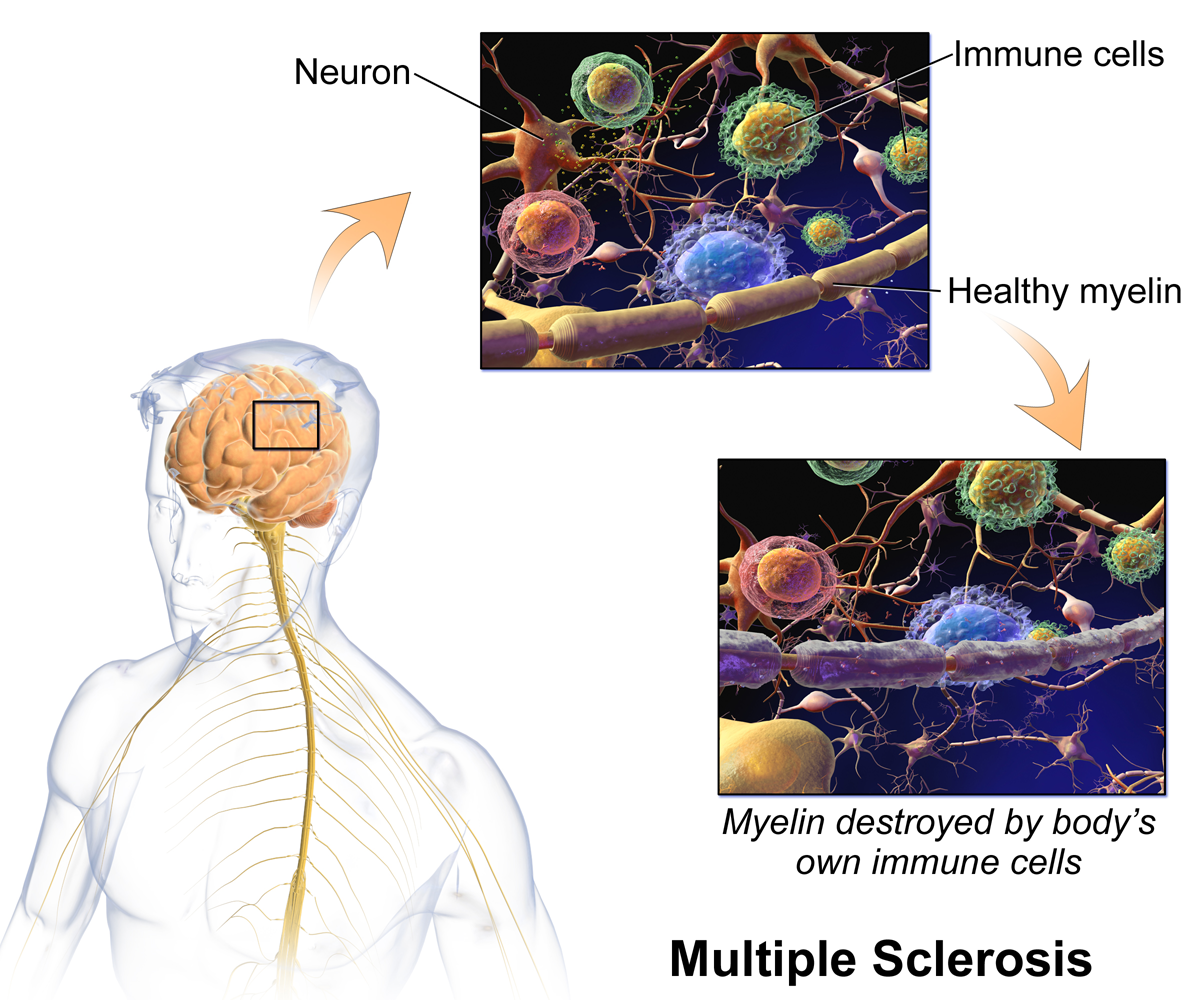
Multiple sclerosis (MS) is a chronic, immune-mediated neurological disorder characterized by inflammation, demyelination, and progressive neurodegeneration within the central nervous system. The disease affects the brain, spinal cord, and optic nerves, leading to a wide range of symptoms including fatigue, muscle weakness, sensory disturbances, impaired coordination, cognitive dysfunction, and visual problems.
MS is widely understood as a condition in which the immune system mistakenly attacks myelin—the protective sheath surrounding nerve fibers—resulting in disrupted nerve signal transmission and eventual axonal damage. Over time, this process may lead to irreversible neurological disability.
Despite significant advances in disease-modifying therapies (DMTs), many patients continue to experience disease progression, treatment intolerance, or incomplete response. This therapeutic gap has driven growing interest in regenerative and cell-based therapies, particularly stem cell approaches.
Why Stem Cell Therapy Is Being Explored in MS
Conventional MS treatments primarily focus on suppressing or modulating immune activity. While effective in reducing relapse rates and MRI activity, these therapies generally do not repair existing damage or restore lost neurological function.
ANALYSE NEW TREATMENT PROTOCOL: Stem Cell Therapy for Multiple Sclerosis (MS) | Treatment Option and Benefits 2026
Stem cell therapy represents a fundamentally different approach. Rather than solely targeting immune suppression, stem cells may offer a combination of:
- Immune system reprogramming
- Anti-inflammatory effects
- Neuroprotection
- Support for remyelination
- Modulation of the neural microenvironment
Importantly, stem cells are not viewed as a single treatment modality but as a spectrum of strategies, each with different mechanisms, risks, and levels of evidence. Read more information about stem cells treatment of PC here: Stem Cell Therapy for Multiple Sclerosis New methods
Hematopoietic Stem Cell Transplantation (HSCT)
The Most Established Cellular Therapy in MS
Autologous hematopoietic stem cell transplantation (HSCT) is currently the most evidence-supported stem cell–based treatment for multiple sclerosis. The procedure involves collecting a patient’s own hematopoietic stem cells, administering high-dose immunoablative therapy to eliminate autoreactive immune cells, and then reinfusing the harvested stem cells to rebuild a “reset” immune system.
Clinical Results and Outcomes
Multiple long-term studies and meta-analyses have shown that HSCT can:
- Induce long-term remission in aggressive relapsing-remitting MS
- Significantly reduce or eliminate relapse activity
- Halt new MRI lesion formation
- Stabilize or improve disability scores in selected patients
Reported progression-free survival rates at 5 years range from 60% to over 80% in appropriately selected individuals, particularly those with active inflammatory disease and shorter disease duration.
Limitations and Risks
HSCT is an intensive medical procedure and is not suitable for all patients. Risks include:
- Short-term toxicity from conditioning regimens
- Increased infection risk
- Temporary infertility
- Treatment-related mortality (now reduced to <1% in experienced centers)
HSCT is generally reserved for patients with highly active disease who have failed standard therapies.
Mesenchymal Stem Cells (MSCs)
A Regenerative and Immunomodulatory Strategy
Mesenchymal stem cells (MSCs) are among the most widely studied cell types in MS outside of HSCT. MSCs can be derived from bone marrow, adipose tissue, or perinatal tissues and are known for their immunomodulatory, anti-inflammatory, and neuroprotective properties.
Unlike HSCT, MSC therapy does not involve immune ablation and is considered less invasive.
Mechanisms of Action
Rather than replacing damaged neurons, MSCs primarily act through paracrine signaling, releasing bioactive molecules that:
- Reduce pro-inflammatory cytokines (e.g., TNF-α, IL-1β, IL-6)
- Promote regulatory immune cell populations
- Support oligodendrocyte survival
- Protect neurons from oxidative and inflammatory injury
Clinical Evidence
Clinical trials and observational studies suggest that MSC therapy is generally safe and may:
- Reduce inflammatory activity in some patients
- Improve fatigue and quality of life
- Stabilize disease in subsets of individuals
However, results have been inconsistent, and large-scale randomized trials are still ongoing. MSC therapy is best described as promising but investigational for MS.
Neuroprotection and Remyelination: A Key Unmet Need
One of the most compelling aspects of stem cell research in MS is the potential for remyelination and neuroprotection. Loss of myelin and axonal degeneration are major drivers of long-term disability, particularly in progressive forms of MS.
While the adult central nervous system has limited intrinsic repair capacity, stem cells may influence remyelination indirectly by:
- Supporting endogenous oligodendrocyte precursor cells
- Modifying inhibitory inflammatory signals
- Improving the metabolic and vascular microenvironment
These effects may help preserve remaining neural networks even when full structural regeneration is not achieved.
READ MORE: Stem Cell Therapy for Multiple Sclerosis: iPSC Technology
Induced Pluripotent Stem Cells (iPSCs)
What Are iPSCs?
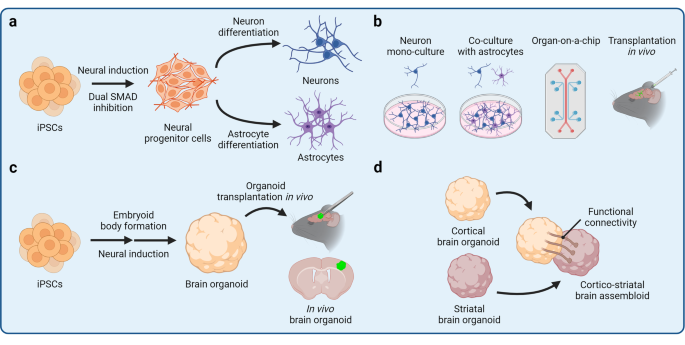
Induced pluripotent stem cells (iPSCs) are adult somatic cells that have been genetically reprogrammed to a pluripotent state, allowing them to differentiate into nearly any cell type. iPSC technology represents one of the most exciting frontiers in regenerative medicine.
In the context of MS, iPSCs can theoretically be used to generate:
- Oligodendrocyte precursor cells
- Neurons
- Astrocytes
- Neural support cells
Potential Advantages in MS
iPSC-based therapies offer several theoretical benefits:
- Patient-specific cell generation (reduced immune rejection)
- Scalable production of neural cell types
- Precision modeling of disease mechanisms
- Personalized drug testing and cell therapy development
Current Research Status
At present, iPSC-based treatments for MS remain rather new but very effective. Most progress has occurred in cases, where iPSC-derived oligodendrocytes have demonstrated the ability to myelinate axons .
While iPSC technology holds transformative potential, clinical application in MS is likely several years away.
Our clinical new treatment protocol of Multiple Sclerosis
Exosome- and Neurotrophin-Based Technology for Blood–Brain Barrier Crossing and Remyelination in Multiple Sclerosis
Multiple sclerosis (MS) is a chronic neuroinflammatory and neurodegenerative disease characterized by immune-mediated damage to the myelin sheath, axonal injury, and progressive neurological dysfunction. One of the key challenges in MS therapy is the effective delivery of regenerative and neuroprotective agents across the blood–brain barrier (BBB) to promote remyelination and neural repair.
Our therapeutic strategy is based on overcoming the BBB using a combined neurotrophin and exosome-based delivery platform, designed to target the central nervous system and support myelin restoration.
Neurotrophins and BBB Limitations
Neurotrophins such as brain-derived neurotrophic factor (BDNF) and other neurotrophic factors play a critical role in neuronal survival, oligodendrocyte differentiation, axonal protection, and remyelination. However, due to their high molecular weight and hydrophilic structure, native neurotrophins do not reliably cross the blood–brain barrier when administered systemically. Why its important to cross BBB:Stem cells clinic of treatment Neurodegenerative Diseases
To address this limitation, neurotrophic molecules can be modified or packaged to improve stability, receptor-mediated transport, and bioavailability within the CNS.

Exosomes as a Therapeutic Delivery System
Exosomes are naturally occurring extracellular vesicles with a size range of approximately 30–150 nm, capable of crossing the BBB with high efficiency. Due to their endogenous origin, exosomes demonstrate excellent biocompatibility, low immunogenicity, and intrinsic targeting properties.
In our approach, exosomes function as biological carriers for neurotrophic signals, including:
- Neurotrophins and neurotrophin-related proteins
- Regulatory mRNAs and microRNAs
- Other molecules involved in oligodendrocyte maturation and myelin repair
Exosome-mediated transport enables targeted delivery of these factors directly to neurons, oligodendrocytes, and the neurovascular unit, bypassing BBB restrictions.
Mechanism of Action in Multiple Sclerosis
After systemic administration, exosomes cross the BBB via transcytosis and interact with neural and glial cells within demyelinated regions. Once internalized, their cargo supports:
- Survival and protection of neurons and axons
- Activation and differentiation of oligodendrocyte precursor cells
- Stimulation of remyelination processes
- Reduction of neuroinflammation and secondary neurodegeneration
This multimodal mechanism allows simultaneous neuroprotection and regeneration, addressing both inflammatory and degenerative components of MS.
Advantages of the Technology
Key advantages of this strategy include:
- Efficient BBB penetration without invasive delivery methods
- Sustained neurotrophin signaling within the CNS
- Use of stem-cell-derived exosomes with intrinsic regenerative potential
- Targeted support of myelin repair and neural network restoration
By combining neurotrophin expression with exosome-based delivery, this technology represents a promising regenerative approach aimed not only at slowing disease progression, but at actively promoting structural and functional recovery in patients with multiple sclerosis.
Remyelination-Specific Molecular Pathways Targeted by the Technology
Effective remyelination in multiple sclerosis requires the coordinated activation of oligodendrocyte lineage cells, differentiation of oligodendrocyte precursor cells (OPCs), and restoration of functional myelin protein expression. Our exosome- and neurotrophin-based technology is designed to influence these key molecular and cellular pathways involved in myelin repair.
Oligodendrocyte Lineage Activation
Exosome-delivered neurotrophic signals support the survival and activation of oligodendrocyte precursor cells (OPCs), which are abundant in demyelinated lesions but often fail to fully differentiate in progressive MS.
Key markers and regulators include:
- NG2 (CSPG4) – a defining marker of OPCs; exosomal signaling supports OPC survival, migration, and responsiveness to differentiation cues.
- Olig2 – a critical transcription factor regulating oligodendrocyte lineage commitment and maturation; enhanced Olig2 signaling promotes OPC differentiation into myelinating oligodendrocytes.
Myelin Protein Expression and Structural Repair
Successful remyelination requires re-expression of structural myelin proteins and restoration of compact myelin sheaths around axons. Exosome-mediated delivery of neurotrophic factors and regulatory RNAs supports this process by stimulating:
- MBP (Myelin Basic Protein) – essential for myelin compaction and stability; increased MBP expression reflects functional remyelination.
- MOG (Myelin Oligodendrocyte Glycoprotein) – a marker of mature oligodendrocytes and late-stage myelination; restoration of MOG expression indicates advanced remyelination and myelin sheath integrity.
Neurotrophin-Driven Remyelination Signaling
Neurotrophins such as BDNF and related signaling molecules delivered via exosomes activate intracellular pathways in oligodendrocytes and neurons, including:
- PI3K/Akt signaling, supporting oligodendrocyte survival
- MAPK/ERK pathways, promoting differentiation and myelin protein synthesis
- Crosstalk between neurons and glial cells, enhancing activity-dependent myelination
These pathways contribute to both structural repair of myelin and functional recovery of axonal conduction.
Modulation of the Demyelinated Microenvironment

Beyond direct effects on oligodendrocytes, exosome-based delivery also modulates the inflammatory and inhibitory microenvironment characteristic of MS lesions by:
- Reducing astrocyte- and microglia-mediated inhibition of OPC differentiation
- Supporting a regenerative phenotype within the neurovascular unit
- Enhancing long-term stability of newly formed myelin
Integrated Remyelination Strategy
By simultaneously targeting OPC activation (NG2), lineage progression (Olig2), and mature myelin protein expression (MBP, MOG), this technology addresses the full remyelination cascade rather than a single molecular target. This integrated approach increases the likelihood of durable myelin repair and sustained neurological improvement in patients with multiple sclerosis.
Biochemical and Immunological Changes After Stem Cell Therapy
Across different stem cell approaches, several consistent biological changes have been observed:
Immune Modulation
- Decreased autoreactive T and B cell activity
- Increased regulatory T cells (Tregs)
- Reduced pro-inflammatory cytokine signaling
Neuroinflammation Reduction
- Lower levels of microglial activation
- Reduced oxidative stress markers
- Improved mitochondrial function in neural cells
Neuroaxonal Protection
- Stabilization of neurofilament light chain (NfL) levels
- Preservation of axonal integrity
- Improved synaptic signaling environments
These biochemical shifts help explain why some patients experience not only disease stabilization but also functional improvement.
Interesting Facts About Stem Cells and MS
- MS was one of the first neurological diseases to be targeted by immune-reset therapies.
- Neurofilament light chain (NfL) is emerging as a key biomarker to track treatment response.
- Stem cells often exert benefits without permanently engrafting in the brain.
- Rehabilitation appears to enhance outcomes after cellular therapies.
- The timing of intervention may be more important than cell dose.
Patient Selection and Realistic Expectations
Not all MS patients are candidates for stem cell therapy. Outcomes depend on:
- Disease subtype (relapsing vs progressive)
- Duration of illness
- Degree of irreversible damage
- Inflammatory activity
- Overall health status
Stem cell therapy is not a cure, but it may offer meaningful benefits in carefully selected individuals when integrated into a comprehensive treatment plans. Research more results of MS treatment : Real patients reviews about stem cells treatment of multiple sclerosis
The Future of Stem Cell Therapy in MS
The future of stem cell therapy for multiple sclerosis is likely to involve:
- Combination approaches (immune reset + neuroprotection)
- Biomarker-driven patient selection
- Advanced cell engineering
- Integration with rehabilitation and neurotechnology
As research advances, stem cells may become part of a broader, personalized strategy aimed at slowing progression, preserving function, and improving quality of life.
LEARN ABOUT ONE MORE CASE IN DETAILS:Stem Cell Therapy for Multiple Sclerosis: Patient Case Study
Conclusion
Stem cell therapy represents one of the most dynamic and promising areas of MS research. While HSCT has demonstrated substantial benefits for selected patients, MSCs and iPSC-based approaches continue to evolve as potential tools for immune modulation and neural repair.
Ongoing research, responsible clinical application, and patient-centered decision-making will be essential to translating these advances into safe and effective treatments for multiple sclerosis.