Stem Cell Therapy for Chronic Joint Pain: What Patients Need to Know
Learn how stem cell therapy may help manage chronic joint pain, including potential benefits, treatment process, safety considerations, and what patients…
What Is Chronic Joint Pain?
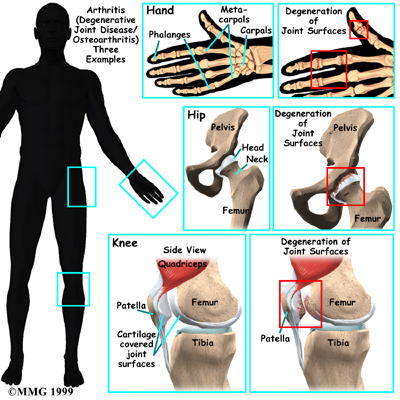
Chronic joint pain is a persistent discomfort in one or more joints lasting longer than three months. It commonly affects the knees, hips, shoulders, spine, and hands, significantly reducing mobility and quality of life.
Patients often experience:
- Stiffness, especially in the morning
- Swelling or inflammation
- Limited range of motion
- Pain that worsens with activity or weather changes
FIND MORE ABOUT JOINT PAIN TREATMENT : Stem Cells Treatment for Osteoarthritis and Joint Support
Common causes include osteoarthritis, autoimmune inflammation, cartilage degeneration, previous injuries, and age-related joint wear.
Why Conventional Treatments Often Fall Short
Standard approaches to chronic joint pain typically include:
- Pain relievers and anti-inflammatory medications
- Corticosteroid injections
- Physical therapy
- Joint replacement surgery (in advanced cases)
READ MORE:Stem Cell Therapy for Chronic Joint Pain: What Patients Need to Know
While these methods may relieve symptoms temporarily, they do not address the underlying tissue damage and often lose effectiveness over time. This is why many patients begin searching for regenerative options such as stem cell therapy.
How Stem Cell Therapy May Help with Chronic Joint Pain
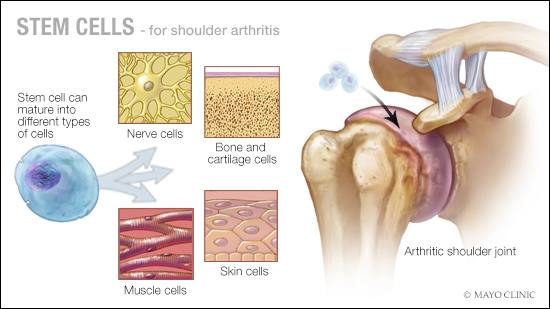
Stem cell therapy is being explored as a regenerative approach aimed at supporting joint repair rather than masking pain.
Mesenchymal stem cells (MSCs), most commonly used in joint conditions, may help by:
- Modulating chronic inflammation
- Supporting cartilage and connective tissue repair
- Improving joint lubrication and microcirculation
- Reducing pain signaling within the joint environment
Rather than acting as a painkiller, stem cells work through paracrine signaling, releasing bioactive factors that influence the body’s own healing mechanisms.
Read more: Stem cells clinic for joints and disc regeneration
Types of Stem Cells Used for Joint Pain
The most commonly used cell types include:
Mesenchymal Stem Cells (MSCs)
- Derived from bone marrow, adipose tissue, or umbilical sources
- Known for anti-inflammatory and immunomodulatory properties
Autologous vs Allogeneic Cells
- Autologous: taken from the patient’s own body
- Allogeneic: obtained from screened donors
Both approaches are used depending on patient condition, severity, and treatment protocol.
Use of Chondrocytes in Chronic Joint Pain Management
In selected cases of chronic joint pain associated with cartilage degeneration, chondrocyte-based therapies are being explored as a targeted regenerative approach. Chondrocytes are highly specialized cells responsible for maintaining and repairing articular cartilage. Their use is primarily investigated in focal cartilage defects and early degenerative changes, where structural cartilage support remains partially preserved.
Rather than acting as a generalized anti-inflammatory treatment, chondrocytes are studied for their potential to support cartilage matrix integrity, enhance local biomechanical function, and contribute to joint surface restoration. This approach may be considered complementary to mesenchymal stem cell therapy in carefully selected patients.
Endothelial Cells and Microvascular Support in Chronic Pain
Chronic joint pain is often accompanied by impaired microcirculation and chronic low-grade ischemia within joint tissues. Endothelial cells, which line blood vessels, play a critical role in vascular health, tissue oxygenation, and inflammatory regulation.
Emerging regenerative strategies investigate the use of endothelial or endothelial-supportive cell populations to enhance local vascular function, promote angiogenic signaling, and improve nutrient delivery to damaged joint tissues. Improved microvascular support may indirectly contribute to pain reduction by optimizing the joint microenvironment rather than directly targeting nociception.
Neural Cells and Pain Signaling Modulation
Chronic joint pain is not solely a structural problem; it also involves altered neural signaling and central sensitization. In this context, neural and neuro-supportive cell populations are being studied for their potential role in modulating pain pathways.
Rather than regenerating nerves in a classical sense, these cells are explored for their neurotrophic and regulatory effects, which may influence pain perception, reduce maladaptive nerve signaling, and support neural tissue homeostasis. This approach is considered experimental and is typically discussed within advanced or investigational regenerative medicine frameworks.

A Multicellular, Targeted Regenerative Approach
Modern regenerative medicine is increasingly moving toward cell-specific and tissue-targeted strategies. In contrast to single-cell-type therapies, combining or selecting specialized cells—such as chondrocytes, endothelial cells, and neural-supportive cells—aims to address multiple contributors to chronic joint pain, including cartilage damage, vascular dysfunction, and dysregulated pain signaling.
This differentiated approach reflects a broader shift toward personalized regenerative protocols, where treatment strategies are adapted to the dominant pathological mechanisms present in each individual patient.
What Does the Research Say?
Clinical studies suggest that stem cell therapy may reduce pain and improve joint function in patients with degenerative joint conditions, particularly osteoarthritis.
However, it is important to note:
-
Results vary between patients, but our clinical success rate is more than 78% in all cases
-
The therapy is not considered a cure totally, but it can stop the degenerative changes
-
Long-term outcomes are still under investigation, but our clinical data shows the benefits from stem cells therapy from 2 years and more
Stem cell therapy is best viewed as a supportive or adjunctive treatment, not a replacement for all conventional care.
Safety and Potential Risks
When performed in experienced medical settings, stem cell therapy is generally well tolerated. Possible risks include:
- Temporary swelling or discomfort at the injection site
-
Inflammatory response ( usually when the patient has autoimmune disease or active period of inflammation)
Patients should always verify that the clinic follows strict cell processing and safety standards.
Who May Be a Candidate for Stem Cell Therapy?
Stem cell therapy may be considered for patients who:
- Have chronic joint pain lasting more than 3–6 months
- Did not achieve sufficient relief from conservative treatments
- Have mild to moderate joint degeneration
- Are seeking alternatives to long-term medication or surgery
Advanced joint destruction may require surgical intervention rather than regenerative therapy.
Research more information about hips and knees treatment with stem cells: Stem cells therapy for knee and hip joints
Treatment Process and What to Expect
A typical stem cell treatment protocol for chronic joint pain includes:
- Medical evaluation and imaging (MRI or ultrasound)
- Cell preparation and quality assessment
-
Targeted joint injection under sterile conditions. Sometime we combine joint injections with IV for more effective treatment results.
- Follow-up monitoring and rehabilitation guidance
Improvement is often gradual and may continue over several months.
Reported Clinical Outcomes in Chronic Pain Patients
Clinical observations and published studies suggest that stem cell–based therapies may lead to measurable pain reduction and functional improvement in patients with chronic joint pain, particularly those with degenerative or inflammatory joint conditions. Across multiple cohorts, approximately 60–84% of patients report a clinically meaningful decrease in pain intensity within several months following treatment, as assessed by standardized pain and function scales.
Improvements are typically gradual rather than immediate, reflecting the biological time course of tissue modulation and repair. In many cases, patients also report enhanced joint mobility and reduced reliance on analgesic or anti-inflammatory medications.
Durability of Treatment Effects
While outcomes vary, several follow-up studies indicate that symptom improvement may persist for 24 to 48 months or longer in a subset of patients. Sustained benefits appear more likely in individuals with early to moderate joint degeneration, lower baseline inflammation, and adherence to post-treatment rehabilitation protocols.
It is important to note that stem cell therapy does not halt aging or fully reverse advanced structural damage. Instead, it may slow disease progression and improve functional capacity, potentially delaying the need for surgical intervention in selected cases.
Key Biochemical Changes After Stem Cell Therapy
At the biochemical level, stem cell therapy is associated with modulation of the inflammatory microenvironment within affected joints. Mesenchymal stem cells are known to influence cytokine balance by reducing pro-inflammatory mediators such as tumor necrosis factor-alpha (TNF-α), interleukin-1 beta (IL-1β), and interleukin-6 (IL-6), while promoting anti-inflammatory signaling pathways.
This shift toward an anti-inflammatory profile is believed to play a central role in pain reduction, particularly in patients with chronic low-grade synovial inflammation.
Effects on Cartilage and Extracellular Matrix Metabolism

Stem cell–derived signaling factors have been shown to influence cartilage homeostasis and extracellular matrix turnover. Studies report increased expression of anabolic markers such as type II collagen and aggrecan, alongside reduced activity of matrix-degrading enzymes including matrix metalloproteinases (MMPs).
These biochemical changes suggest a supportive environment for cartilage preservation rather than aggressive regeneration, aligning with observed improvements in joint function and mechanical stability.
Influence on Pain Signaling and Neuroinflammation
Chronic pain involves not only tissue damage but also neuroinflammatory and nociceptive sensitization processes. Stem cell therapy has been associated with reduced expression of pain-related mediators, including nerve growth factor (NGF) and substance P, as well as modulation of local immune–neural interactions.
By influencing both peripheral inflammation and pain signaling pathways, stem cells may contribute to a more comprehensive reduction in chronic pain perception rather than isolated symptom suppression.
Interindividual Variability in Response
Despite encouraging results, response to stem cell therapy remains heterogeneous. Variability is influenced by factors such as age, metabolic health, disease duration, joint biomechanics, and baseline inflammatory status. This underscores the importance of patient selection and individualized treatment planning when considering regenerative approaches for chronic pain.
Ongoing research continues to refine biomarkers and clinical predictors that may help identify patients most likely to benefit from therapy.
Cost Considerations
The cost of stem cell therapy for chronic joint pain varies depending on:
- Type and source of stem cells
- Number of joints treated
- Clinic location and regulatory environment
- Complexity of the protocol
Patients should be cautious of unrealistically low prices or guarantees of success.
Frequently Asked Questions
Is stem cell therapy FDA-approved for joint pain?
Stem cell therapy for joint pain is not broadly FDA-approved but may be offered under regulated clinical protocols or outside the U.S. depending on local laws.
How long do the results last?
Some patients report improvement lasting from 24 months to years, but outcomes vary.
Can stem cell therapy replace joint replacement surgery?
In early to moderate cases, it may delay surgery. Advanced joint damage usually still requires surgical intervention. But we have also patients with hard degenerative changes of joints who avoided joint replacement surgery using only stem cells therapy. How to avoid the surgery: Stem Cells Treatment of joints can avoid from surgery!
Do you use basic treatment protocols for all patients?
Of course, no. We are focusing on the patient and his medical history and create such stem cells combination which will be the most effective .
What innovations do you have for today in joint treatment?
For today we use narrow differentiated stem cells, such as chondrocytes, endothelial cells, neural cells, which can affect directly to the problem. Also we start to use exosomes, mitochondria complex, specifical nishe cocktails for quick recovery.
Final Thoughts
Stem cell therapy represents a promising regenerative approach for patients suffering from chronic joint pain who seek alternatives beyond symptom control. While it is not a miracle cure, it may offer meaningful improvements in pain, mobility, and quality of life when used appropriately and responsibly.