Stem cells therapy for knee and hip joints
The most effective methods of treatment knee and hips joints ( I-IV stages) using different types of stem cells.
Stem cell treatment of knee and hip joints is a modern, regenerative therapy method aimed at restoring cartilage tissue and reducing inflammation in degenerative diseases such as arthrosis (osteoarthritis). In this article, we will look at different cases of damage and what biotechnologies are needed to achieve relief for the patient.
DISCOVER NEW STEM CELLS TREATMENT PROTOCOL 2026: Stem Cells Treatment for Osteoarthritis and Joint Support
________________________________________
What is treated with stem cells in joints?
The most common indications:
• ✅ Knee joint arthrosis (gonarthrosis) grades I–III
• ✅ Hip joint arthrosis (coxarthrosis) grades I–III
• ✅ Chondromalacia
• ✅ Meniscus, cartilage, ligament injuries (in combination)
• ✅ Postoperative recovery (e.g. after arthroscopy)
________________________________________
How stem cells work in joints:
1. Reduce inflammation – immunomodulatory effect
2. Release growth factors – stimulate cartilage and tissue regeneration
3. Attract chondrocyte cells – restore joint surface
4. Improve synovial fluid – reduce friction
________________________________________

When to expect the effect:
• After 1–2 weeks – pain reduction, improved mobility
• After 2–3 months – maximum effect (regeneration)
• The effect can last 1–5 years, depending on the stage arthrosis and lifestyle
FIND MORE INFORMATION: Stem Cell Therapy for Chronic Joint Pain: What Patients Need to Know
________________________________________
Who is NOT suitable:
• Stage IV arthrosis (when the cartilage is almost completely destroyed)
• Active infection, tumors
• Autoimmune diseases (in the acute stage)
• Patients with severe obesity (adapted protocols may be required)
________________________________________
Efficiency according to studies:
• Stage I-II arthrosis: up to 80-96% of patients feel improvement
• Stage III: up to 50-68%, but the effect is temporary, but can delay surgery
• Comparably better than PRP (plasma therapy), especially in chronic processes
TREATMENT OF JOINTS WITH EXOSOMES
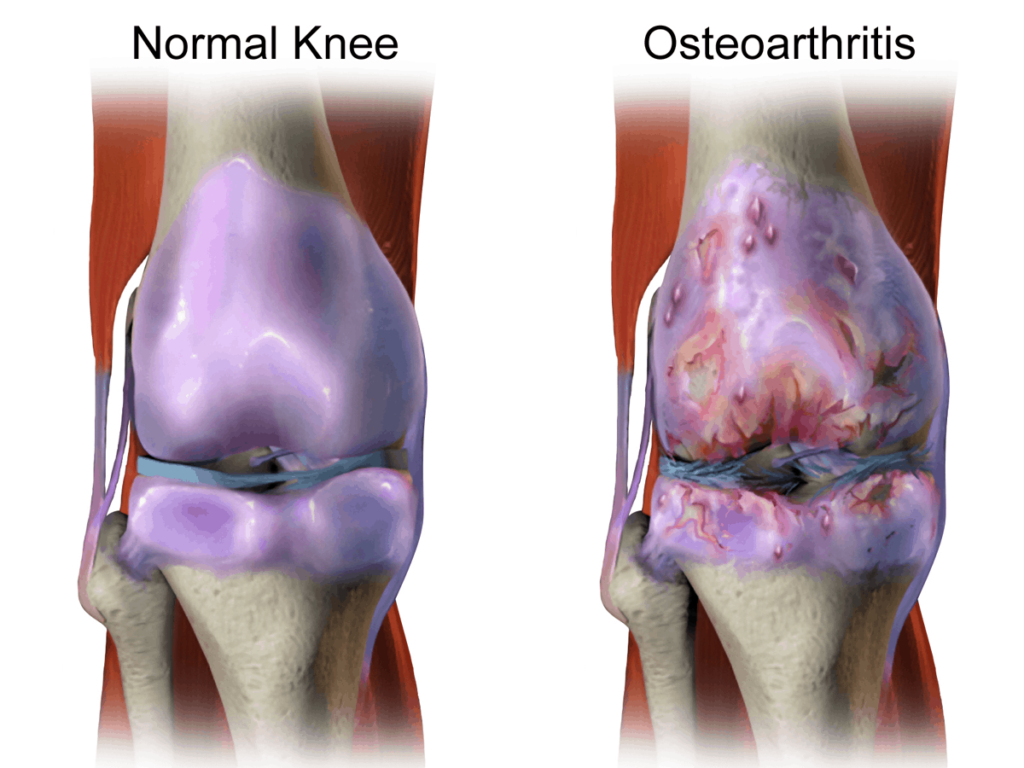
Treatment of joints with exosomes is a new technique in regenerative medicine, which is aimed at reducing inflammation, stimulating cartilage regeneration and restoring joint function. This approach is used as an alternative or supplement to stem cells, especially in the early stages of arthrosis.
________________________________________
What are exosomes?
Exosomes are extracellular vesicles (nanoparticles 30–150 nm in size) that:
• are secreted by stem cells (especially mesenchymal cells),
• contain proteins, RNA, growth factors and signaling molecules,
• transmit signals to other cells, including chondrocytes and immune cells.
They act as “messengers” of regeneration - without the cells themselves.
INTERESTING TO KNOW: Stem Cells Treatment of joints can avoid from surgery!
________________________________________
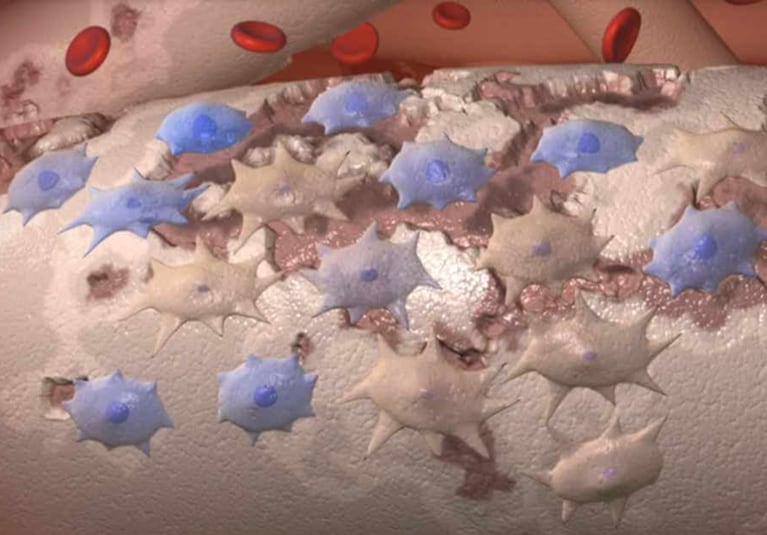
Mechanism of action of exosomes in the joint:
1. Reduced inflammation
Block proinflammatory cytokines (IL-1β, TNF-α)
2. Stimulation of chondrocytes
Increase the production of type II collagen and aggrecan
3. Angiogenesis and restoration of the vascular bed
Improves nutrition of joint tissues
4. Immunomodulation
Reduce autoimmune reactions in arthritis
________________________________________
Advantages of treatment with exosomes:
Advantage Description
Cell-free No risk of tumor growth, rejection
Ultra-small size Penetrate into deep joint tissues
Quick effect Improvement can begin in 1-2 weeks
Compatible with other methods Can be combined with PRP, MSC, physiotherapy
Ready-made form Industrially purified exosomes are used (FDA/ISO standards)
________________________________________
Indications:
• Arthrosis stages I–III (early forms only)
• Chondropathy, sports injuries
• Inflammatory changes after surgery
• Support after stem therapy
________________________________________
Contraindications:
• Infection in the joint
• Oncological processes
• Allergy to the components of the drug (rare)
________________________________________
Research results:
• Pain reduction by 60–80% after 1 month
• Improved mobility and flexibility of the joint
• MRI: improvement of the condition of the cartilage and synovial membrane
• No side effects if the exosomes are certified and purified
SUCCESS RATES OF THE THERAPY :Stem Cell Therapy Success Rate: What Patients Should Know About Effectiveness and Results
________________________________________
Difference from stem therapy:
Parameter Stem cells Exosomes
Effect Deeper, longer-lasting Fast, but may be shorter-lasting
________________________________________
TREATMENT OF JOINTS WITH MSCS WITH ADIPOSE TISSUE CELLS
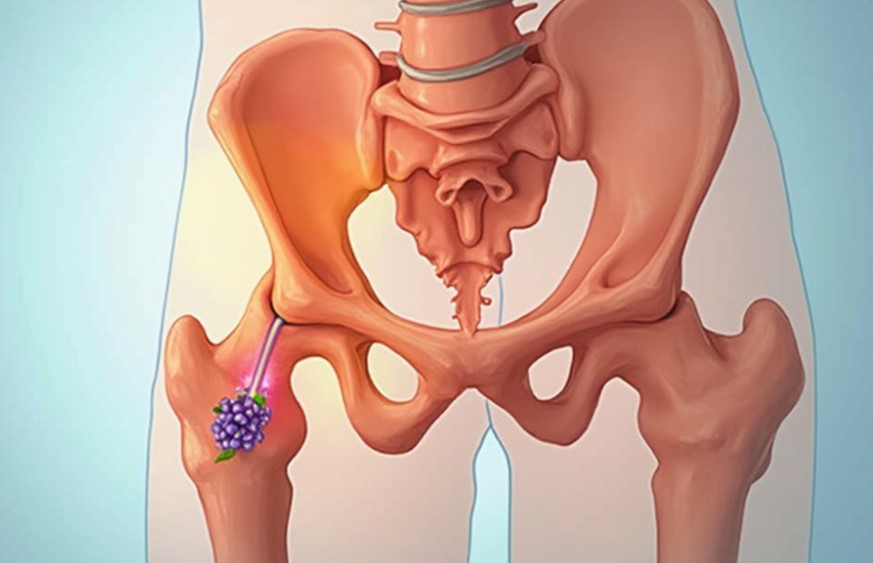
What are MSCs from adipose tissue?
• These are mesenchymal stem cells isolated from the patient's adipose tissue (autologous) or from donor tissue (allogeneic)
• They have:
o the ability to restore cartilage and connective tissue,
o stimulate the growth of blood vessels and chondrocyte cells,
o suppress inflammation in the joint.
________________________________________
Advantages of using adipose tissue:
Why is this important
Rich in MSCs Adipose tissue contains 500-1000 times more stem cells than bone marrow
Minimally invasive Collection - under local anesthesia, as with liposuction or using ready-made cells (from the age up to 40)
________________________________________
When the effect appears:
Term Changes
2–4 weeks Reduced pain and inflammation
2–3 months Improved mobility, less "stiffness"
6–12 months Partial regeneration of cartilage tissue is possible (according to MRI/ultrasound)
________________________________________
Efficiency:
• In 70–90% of patients with stage I–II arthrosis — significant improvement
• At stage III — improvement is possible, but temporary
• At stage IV — the method is ineffective (endoprosthetics are usually recommended)
RECOMMEND TO READ: How stem cells treatment can help with joint pain
________________________________________
Contraindications:
• Active infection
• Oncology
• Autoimmune diseases (in the acute stage)
• Stage IV arthrosis (total destruction of cartilage)
• Patients over 40–45 years of age — use of their own cells is not recommended, the % of the result is significantly reduced.
________________________________________
TREATMENT OF JOINTS WITH CHONDROGENIC STEM CELLS
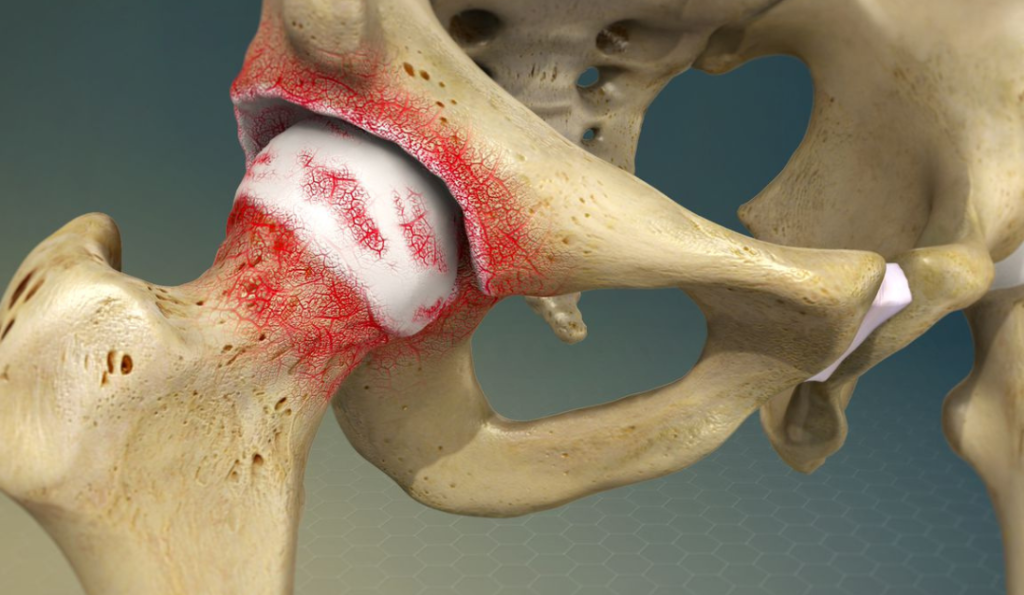
Treatment of joints with chondrogenic stem cells (or chondrogenic-oriented MSCs) is a breakthrough area of regenerative medicine aimed at restoring cartilage, reducing inflammation and slowing the progression of osteoarthritis (arthrosis).
________________________________________
What are chondrogenic stem cells?
• Cells that have been specifically differentiated in the laboratory towards chondrocytes (cartilage cells).
The goal is to enhance the ability to form new cartilage, and not just relieve inflammation.
________________________________________
Differences from regular MSCs (e.g. from fat):
Parameter Regular MSCs Chondrogenic MSCs
Main action Anti-inflammatory, stimulating Regenerative, directed at cartilage
Ability to form cartilage Average High
Processing Minimal (SVF) Cultivated and differentiated into chondroitin-directed cells
Where they are used Early stages of arthrosis, prevention More pronounced destruction of cartilage (II–III, sometimes IV stage)
________________________________________
Advantages of chondrogenic stem cells:
✅ 1. Direct restoration of cartilage tissue
• Cells become prototypes of chondrocytes → fill defects
✅ 2. Secrete chondrogenic growth factors
• TGF-β, IGF-1, FGF-2 — stimulate division and survival of own chondrocytes
✅ 3. Reduce inflammation
• Act in parallel as immunomodulators → reduce pain and swelling
✅ 4. Postponement or complete cancellation of surgery
• Particularly relevant for arthrosis of the knee and hip joints in active patients aged 35–65
________________________________________
Indications:
• Arthrosis of stage II–III, sometimes early IV (knee, hip, ankle joint)
• Chondropathy, chondromalacia
• Injuries to articular surfaces
• Osteochondral defects
• Postoperative stimulation of cartilage restoration
________________________________________
Contraindications:
• Arthrosis of stage IV (complete loss of joint space)
• Malignant tumors
• Autoimmune arthritis in the active phase
• Joint infection
Scientific data:
• Studies show that after 3–6 months, patients with arthrosis of stage II–III experience:
o 60–88% reduction in pain
o improvement mobility
o improvement of MRI picture (thickening of cartilage)
________________________________________
Chondrogenic stem cells are a more targeted and "intelligent" approach to joint restoration than conventional MSCs or fat.
Their advantages are especially pronounced in:
• treatment of arthrosis in patients under 65 years old,
• if there is no complete destruction of the joint,
• if the patient wants to avoid or delay endoprosthetics.
Conclusion:
Properly selected stem therapy of joints is not a miracle, but an effective method, especially before stage III arthrosis.
It does not restore the joint to an ideal state, but it can significantly improve the quality of life, reduce pain and delay surgery for years.
PREPARE AN INDIVIDUAL TREATMENT PLAN
