

Amyotrophic lateral sclerosis (ALS) is a progressive neurodegenerative disease characterized by the selective loss of upper and lower motor neurons in the brain and spinal cord. The degeneration of these neurons leads to muscle weakness, atrophy, spasticity, impaired speech, swallowing difficulties, and ultimately respiratory failure. Despite decades of research, ALS remains a condition with limited therapeutic options, primarily focused on slowing disease progression and managing symptoms rather than addressing the underlying neurobiological damage.
At the cellular level, ALS is associated with a combination of pathological mechanisms, including excitotoxicity, mitochondrial dysfunction, oxidative stress, neuroinflammation, axonal transport failure, impaired myelination, and progressive synaptic loss. These interconnected processes create a hostile microenvironment in the central nervous system (CNS), accelerating neuronal degeneration and limiting endogenous repair capacity.
Read more about stem cells treatment:Stem cells therapy for ALS prolongs life of patients
In this context, regenerative medicine and cell-based therapies have emerged as a promising investigational approach aimed at modifying the cellular and biochemical environment of the nervous system, supporting neuronal survival, and slowing functional decline.

Why Stem Cell Therapy Is Considered a Promising Approach for ALS
Conventional ALS treatments primarily target neurotransmitter balance, oxidative stress, or symptom control. However, they do not directly replace lost neurons, restore axonal integrity, or address widespread glial dysfunction. Stem cell-based approaches differ fundamentally by targeting the disease at the cellular and molecular level.
Stem cell therapy for ALS is not intended as a cure. Instead, it represents a multimodal regenerative strategy designed to:
- Support surviving motor neurons
- Modulate neuroinflammation
- Restore axonal and synaptic function
- Improve myelination
- Enhance neurotrophic support
- Stabilize the neural microenvironment
READ MORE ABOUT OUR APPROACH IN ALS TREATMENT ON PAGE:
Stem Cell Therapy in ALS Treatment: Mechanisms, Stages of Disease, Cellular Strategies, and Clinical Perspectives
By combining neural lineage cells, induced pluripotent stem cells (iPSC), exosomes, and neurotrophin-based delivery systems, modern protocols aim to address multiple pathological mechanisms simultaneously.
Neural Cells in ALS Therapy: Targeting the Core Pathology
Neurons and Axonal Support
Motor neuron degeneration is the defining feature of ALS. Even in advanced stages, a subset of neurons remains viable but functionally compromised. Neural cell-based therapy focuses on supporting these remaining neurons and improving axonal connectivity.
Neural progenitor cells and differentiated neuronal cells can:
- Release neurotrophic factors that promote neuronal survival
- Support axonal growth and stabilization
- Improve synaptic transmission
- Reduce excitotoxic damage mediated by glutamate
Rather than replacing entire motor neuron pools, the therapeutic goal is to extend neuronal viability and functional output, preserving neuromuscular communication for as long as possible.
Oligodendrocytes and Myelination
Oligodendrocytes are responsible for myelin formation, which is critical for fast and efficient signal conduction along axons. In ALS, oligodendrocyte dysfunction and myelin loss contribute to conduction failure and neuronal vulnerability.
Cellular therapy targeting oligodendrocyte lineage cells aims to:
- Restore myelin integrity
- Improve axonal conduction velocity
- Reduce metabolic stress on neurons
- Enhance overall neural network stability
Improved myelination has been associated with better motor signal transmission and delayed functional decline.
Astrocytes and Neuroinflammation Control
Astrocytes play a central role in maintaining neuronal homeostasis, regulating neurotransmitters, and controlling inflammatory signaling. In ALS, astrocytes often shift toward a pro-inflammatory, neurotoxic phenotype.
Neural and glial cell-derived therapies help:
- Normalize astrocyte metabolism
- Reduce pro-inflammatory cytokine release
- Improve glutamate clearance
- Protect neurons from secondary damage
This modulation of the glial environment is essential for creating conditions supportive of neuronal survival. Find more information: Autoimmune diseases – to stop progression with stem cells therapy
Induced Pluripotent Stem Cells (iPSC): Precision and Personalization
Induced pluripotent stem cells are generated by reprogramming adult somatic cells into a pluripotent state. iPSC technology offers several critical advantages in ALS therapy:
- Ability to differentiate into neurons, oligodendrocytes, and glial cells
- Reduced immunological incompatibility when autologous cells are used
- Opportunity for genetic screening and quality control
- Precise generation of neural subtypes relevant to ALS pathology
Unlike mesenchymal stem cells, which primarily exert indirect immunomodulatory effects, iPSC-derived neural cells allow targeted intervention at the level of neural circuitry, synaptic plasticity, and myelination.
Exosomes: Intracellular Communication and Regeneration
Exosomes are nanoscale extracellular vesicles released by stem and neural cells. They contain microRNAs, mRNA, proteins, lipids, and signaling molecules that regulate gene expression and cellular behavior.
In ALS therapy, exosomes play a critical role by:
- Modulating neuroinflammatory pathways
- Enhancing neuronal survival signaling
- Supporting mitochondrial function
- Promoting axonal repair and synaptic stability
A major advantage of exosomes is their ability to cross the blood–brain barrier (BBB), making them an effective non-cellular tool for CNS targeting with a favorable safety profile.
Neurotrophins and Exosome-Mediated BBB Delivery
Neurotrophins in ALS: Biological Importance
Neurotrophins such as BDNF, GDNF, NGF, and NT-3 are essential for neuronal survival, axonal growth, and synaptic maintenance. In ALS, endogenous neurotrophin signaling is often impaired, contributing to progressive neuronal loss.
Supplementation of neurotrophins supports:
- Motor neuron survival
- Axonal regeneration
- Synaptic plasticity
- Resistance to oxidative and excitotoxic stress
However, direct administration of neurotrophins is limited by poor BBB penetration.
WHY IT’S IMPORTANT TO CROSS BBB:Stem cells clinic of treatment Neurodegenerative Diseases
Exosomes as Neurotrophin Carriers
Exosomes act as biological carriers capable of transporting neurotrophins across the BBB. When combined with neurotrophic factors, exosome-based delivery systems significantly enhance CNS bioavailability.
This approach allows:
- Targeted delivery to affected neural regions
- Sustained release of neurotrophic signals
- Reduced systemic side effects
- Improved therapeutic efficiency
Why BBB-Targeted Delivery Is Critical in ALS
The BBB represents a major obstacle in neurodegenerative disease treatment. Exosome-neurotrophin complexes overcome this limitation, enabling direct modulation of the CNS microenvironment.
This strategy is particularly important in ALS, where widespread neural involvement requires global yet controlled neurobiological support rather than focal intervention.
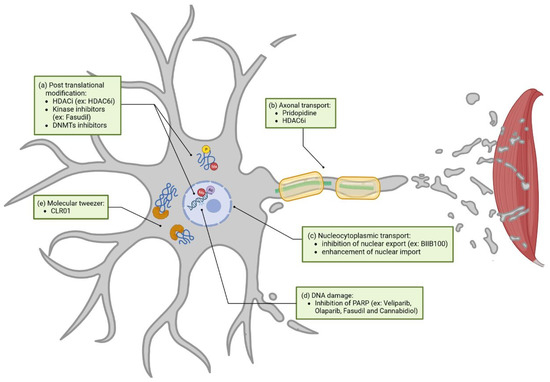
Biochemical and Cellular Processes After Therapy
Early Phase (First Weeks)
- Reduction of pro-inflammatory cytokines (TNF-α, IL-1β, IL-6)
- Improved mitochondrial function
- Enhanced antioxidant defense
- Stabilization of neurotransmitter balance
Clinically, patients may experience reduced fatigue, improved endurance, and subtle stabilization of motor function.
Intermediate Phase (2–6 Months)
- Increased neurotrophic signaling
- Improved axonal transport
- Partial restoration of myelin integrity
- Reduced glial-mediated neurotoxicity
Functional changes may include slower progression of weakness, improved muscle control, and better respiratory efficiency.
Late Phase (6–12 Months)
- Stabilization of neural networks
- Enhanced synaptic efficiency
- Improved neuromuscular coordination
- Sustained reduction of neuroinflammation
At this stage, many patients report improved quality of life and delayed functional declFunctional Recovery and Supportive Outcomes
While ALS remains a progressive disease, regenerative protocols aim to preserve and optimize remaining function. Observed benefits may include:
- Slower loss of muscle strength
- Improved speech clarity in some patients
- Better swallowing coordination
- Enhanced respiratory endurance
- Increased daily activity tolerance
The goal is functional stabilization and life quality improvement, stop progression, but not to cure the disease.
Clinical Results and Effectiveness
Average Effectiveness of ALS Treatment Using Mesenchymal Stem Cells (MSC) Only
Mesenchymal stem cells are the most widely studied and commonly applied cellular therapy in amyotrophic lateral sclerosis. Their primary mechanism of action is paracrine and immunomodulatory, rather than direct replacement of lost motor neurons. MSCs reduce neuroinflammation by modulating microglial activity, suppressing pro-inflammatory cytokines such as TNF-α, IL-1β, and IL-6, and improving the neuroprotective environment surrounding motor neurons.
Clinical trials and observational studies indicate that approximately 20–40% of ALS patients receiving MSC-based therapy experience:
- a measurable slowing of disease progression;
- temporary stabilization of respiratory function;
- moderate reduction in muscle stiffness and fatigue;
- improvement in overall quality of life.
However, the therapeutic effect of MSC monotherapy is often time-limited, typically lasting 6–8 months, and is most pronounced in early disease stages. This limitation reflects the fact that MSCs do not differentiate into functional motor neurons and therefore cannot directly restore damaged neural circuits.
Effectiveness of Combined Therapy: Mesenchymal + Neural Cells
The integration of neural cells—including neural stem cells,into MSC-based protocols allows intervention at a deeper pathogenic level. In this strategy, MSCs establish an anti-inflammatory, neuroprotective environment, while neural cells actively support neuronal networks, axonal integrity, and glial function.
Clinical data suggest that with this combined approach:
- 40–45% of patients demonstrate a more pronounced slowing of disease progression;
- stabilization of motor and respiratory function is sustained longer ( up to 12 months );
- neuromuscular transmission improves;
- axonal demyelination progresses more slowly;
- neurotoxic microenvironmental factors are significantly reduced.
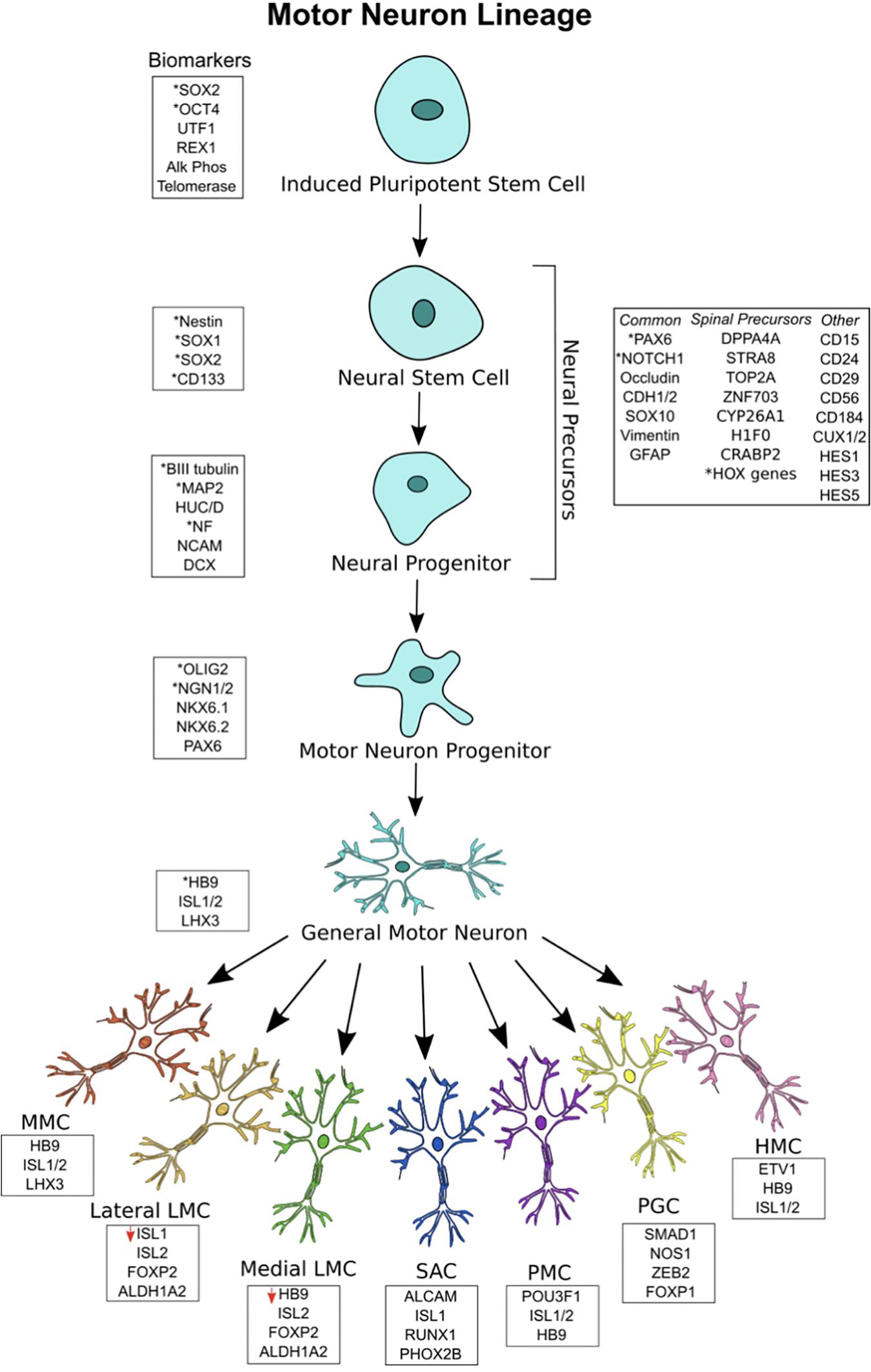
Why Our Cell Combination and Intra-/Extracellular Products May Achieve Superior Outcomes
Our therapeutic strategy is based on multi-level targeting of ALS pathophysiology, rather than reliance on a single cell type. We combine:
- mesenchymal stem cells for immune regulation and inflammation control;
- neural cells (neurons, oligodendrocytes, and glial progenitors) to support neural circuitry and axonal conduction;
- exosomes and intracellular biologic products as potent carriers of microRNAs, proteins, and neuroregenerative signals;
- neurotrophins delivered via exosome-based carriers to enhance blood–brain barrier penetration and amplify neuroprotective effects.
This synergistic approach enables:
- simultaneous reduction of neuroinflammation, oxidative stress, and glial dysfunction;
- enhanced survival and metabolic support of motor neurons;
- improved neuronal energy balance;
- prolonged functional compensation phases.
Through the integration of extracellular signaling and intracellular regenerative mechanisms, combined with individualized protocol design based on disease stage and patient condition, this approach demonstrates the potential for more durable and clinically meaningful outcomes compared with standard MSC-only therapies.
Clinical results of such approach suggest that 60–70% of ALS patients receiving advanced cell-based supportive therapy demonstrate measurable stabilization and slower disease progression compared to historical controls. Improvements are most commonly observed in fatigue reduction, respiratory parameters, and preservation of motor function.
Approximately 40–55% of patients show sustained functional benefits lasting 12–24 months, particularly when therapy is initiated at early or mid-stage ALS. Combination protocols incorporating neural cells, exosomes, and neurotrophins demonstrate superior outcomes compared to single-modality approaches.
Effectiveness depends strongly on disease stage, genetic background, respiratory status, and comorbidities. For this reason, strict patient selection and personalized protocol design are essential.
Home-Based Individualized Cell Therapy Program
Many ALS patients face significant mobility limitations and are unable to travel. For this reason, a fully personalized home-delivery cellular therapy program is available.


This service includes:
- Individualized cellular formulation
- Secure medical delivery to the patient’s home
- On-site medical supervision or coordinated local care
- Continuous remote monitoring for 12 months
- Ongoing coordination with neurologists and rehabilitation specialists
This approach ensures accessibility, safety, and continuity of care for patients with advanced physical limitations. Research other articles: Is Stem Cell Therapy Safe? Why Regenerative Treatments Are Gaining Global Demand
Patient Testimonials
1. Michael, 54, USA – ALS, limb-onset
“Before starting the program, I noticed steady weakness in my legs and increasing fatigue that made even short walks exhausting. About 6–8 weeks after beginning the stem cell–based therapy, the rate of progression seemed to slow. My breathing tests stabilized, and I no longer felt the constant exhaustion I had before. Muscle weakness is still present, but it hasn’t advanced as quickly as expected. The biggest advantage for me was the home-based care — traveling would have been impossible at my stage. Regular medical monitoring and coordination gave me confidence and peace of mind throughout the process.”
2. Elena, 47, Spain – ALS, bulbar onset
“My main issues were speech difficulties and problems with swallowing, which were progressing quite fast before treatment. Around two months after starting therapy, I noticed that my speech became slightly clearer, especially in the mornings, and swallowing liquids became easier. While the disease did not reverse, my condition remained stable for almost a full year, which was something I had not experienced before. This stability allowed me to continue working part-time and maintain social interactions longer than I expected.”
3. Tomas, 61, Germany – ALS, early stage
“I was diagnosed early, but muscle stiffness and reduced endurance were already affecting my daily activities. After approximately three months of therapy, I felt a noticeable improvement in muscle flexibility and overall stamina. I could walk longer distances without needing frequent rest, and morning stiffness became less pronounced. What mattered most to me was gaining time — time to stay active, independent, and mentally strong. The therapy did not promise miracles, but it clearly slowed things down.”
4. David, 58, Canada – ALS with respiratory involvement
“My biggest concern was declining respiratory function. Prior to therapy, my lung capacity tests were worsening every few months. After starting the program, follow-up assessments showed that the decline slowed significantly, and for several months my respiratory values remained stable. I also felt less shortness of breath during everyday activities. Continuous medical monitoring and regular adjustments to the protocol made me feel supported rather than left alone with the diagnosis.”
5. Andriy, 50, Ukraine – ALS, moderate stage
“At the time I started treatment, weakness in my arms and legs was already interfering with daily tasks. About two to three months into therapy, the progression became noticeably slower. I maintained my ability to dress myself and move independently longer than doctors initially predicted. Muscle cramps became less frequent, and overall fatigue decreased. These changes allowed me to stay independent and active in my family life for a longer period, which was extremely important to me.”
6. Sarah, 45, UK – familial ALS
“Knowing that ALS runs in my family made the diagnosis especially difficult. I did not expect a cure, but I hoped for better quality of life. Over the first few months of therapy, I noticed improvements in energy levels, better sleep, and a slower progression of muscle weakness. The structured follow-up, constant communication with the medical team, and the possibility to receive care at home gave me a sense of control over my treatment. While the disease is still there, I feel more stable, informed, and empowered in managing it.”
7. Khalid, 57, Saudi Arabia – ALS, advanced–moderate stage
“When I was diagnosed with ALS, doctors told my family that my life expectancy was no more than two years. At that time, I was already experiencing significant muscle weakness, difficulties with mobility, and early respiratory involvement. Traveling abroad for treatment was not realistic for me, so the possibility of a home-based stem cell therapy program became a critical factor in my decision.
I began an individualized stem cell treatment program that included regular delivery of cellular products directly to my home, along with continuous medical supervision and coordination. Over the first year, the most noticeable change was a clear slowing of disease progression. While my condition did not improve dramatically, it stabilized compared to the rapid decline I had experienced before. Muscle weakness progressed much more slowly, my breathing remained functional for a longer period, and my overall endurance improved enough to maintain daily activities with assistance.
What is most significant is that this approach allowed me to live far beyond the initial prognosis. I continue therapy for more than 12 years, with ongoing adjustments to the protocol based on my condition. During this time, I was able to remain mentally active, engaged with my family, and involved in important life moments that I was once told I would never reach. The home delivery of stem cell products and constant medical monitoring made long-term treatment possible and sustainable. This therapy did not cure ALS, but it gave me time — years of life that I was not expected to have — and for me and my family, that made all the difference.”
Stem cell-based supportive therapy for ALS represents an advanced, investigational regenerative strategy aimed at modifying the neurobiological environment, preserving neuronal function, and improving quality of life. By integrating neural cells, iPSC technology, exosomes, and neurotrophin-based BBB delivery, modern protocols offer a scientifically grounded, personalized approach for patients facing this devastating disease.
While ALS remains incurable, regenerative medicine provides a meaningful pathway toward functional stabilization, extended independence, and improved patient care.
PREPARE AN INDIVIDUAL TREATMENT PLAN
