Stem Cell Therapy for Lung Diseases: Advanced Regenerative Approaches
Stem cell therapy for lung diseases offers an advanced regenerative approach to restore lung function, reduce inflammation and fibrosis, and improve…
Why Lung Diseases Require Regenerative Solutions
Chronic and acute lung diseases remain a major global health challenge, significantly affecting morbidity, mortality, and quality of life. Conditions such as chronic obstructive pulmonary disease (COPD), pulmonary fibrosis, acute respiratory distress syndrome (ARDS), post-infectious lung damage, and post-COVID pulmonary complications are characterized by progressive loss of lung function, impaired gas exchange, chronic inflammation, and structural remodeling of lung tissue.
Conventional therapies—including bronchodilators, corticosteroids, antifibrotic agents, oxygen therapy, and mechanical ventilation—primarily aim to control symptoms or slow disease progression. While these approaches are essential for patient management, they do not restore damaged alveolar structures, microvasculature, or cellular integrity of lung tissue. In many patients, especially those with post-inflammatory or post-viral lung injury, functional recovery remains incomplete.
Regenerative medicine introduces a fundamentally different paradigm: restoring lung tissue at the cellular and biochemical level. Stem cell–based therapies, particularly those utilizing human mesenchymal stem cells (hMSCs), microvascular endothelial cells (MVECs), normal human astrocytes (NHAs), and intracellular bioproducts such as exosomes, offer the ability to modulate inflammation, repair vascular damage, enhance alveolar regeneration, and improve long-term pulmonary function.

Biological Basis of Lung Injury and Disease Progression
To understand the rationale for stem cell therapy in lung diseases, it is essential to examine the biological mechanisms underlying lung damage.
Lung tissue is composed of highly specialized structures, including alveolar epithelial cells (type I and II pneumocytes), endothelial cells forming the pulmonary microvasculature, immune cells, fibroblasts, and a complex extracellular matrix. Normal lung function depends on the integrity of the alveolar-capillary barrier, which enables efficient oxygen and carbon dioxide exchange. Stem Cell Therapy for COPD: Benefits, Treatment Insights, and Latest Clinical Advances
In chronic and post-inflammatory lung diseases, several pathological processes occur simultaneously:
- Persistent inflammation with elevated cytokines such as IL-6, TNF-α, and TGF-β
- Endothelial dysfunction and microvascular rarefaction
- Damage to alveolar epithelial cells
- Excessive fibroblast activation and collagen deposition
- Impaired regeneration of alveolar units
- Oxidative stress and mitochondrial dysfunction
Over time, these processes lead to loss of lung elasticity, reduced diffusion capacity, ventilation–perfusion mismatch, and progressive respiratory failure.
Why Stem Cell Therapy Is a Promising Approach for Lung Diseases
Stem cell therapy differs from conventional treatment by targeting the core biological drivers of lung injury, rather than focusing solely on symptom suppression.
Key advantages include:
- Modulation of excessive immune and inflammatory responses
- Restoration of endothelial integrity and microcirculation
- Support of alveolar epithelial regeneration
- Reduction of fibrotic remodeling
- Improvement of mitochondrial and metabolic function
- Long-term paracrine signaling that sustains tissue repair
Stem cells and their intracellular products adapt dynamically to the injured lung microenvironment, responding to biochemical signals and participating in multi-layered regenerative processes.
Key Cell Types Used in Advanced Lung Regeneration Protocols
The use of stem cells in the treatment of lung diseases has become highly effective because this approach directly targets the fundamental biological mechanisms responsible for pulmonary damage, rather than merely alleviating clinical symptoms. Chronic lung diseases—such as pulmonary fibrosis, COPD, post-infectious lung injury, and post-COVID pulmonary syndromes—are characterized by persistent inflammation, endothelial dysfunction, alveolar epithelial injury, impaired microcirculation, and progressive tissue remodeling. Stem cells, particularly human mesenchymal stem cells (hMSCs) and microvascular endothelial cells, actively respond to these pathological signals. After administration, they migrate to damaged lung regions and exert strong immunomodulatory effects by suppressing excessive immune activation, reducing levels of pro-inflammatory cytokines (including TNF-α, IL-6, and IL-1β), and enhancing anti-inflammatory mediators. This controlled immune modulation interrupts the cycle of chronic inflammation and prevents further destruction of lung parenchyma.
In addition to immunoregulation, stem cell therapy is highly effective due to its powerful regenerative and reparative capacity at both the cellular and biochemical levels. Stem cells secrete a wide range of growth factors, angiogenic molecules, and intracellular products such as exosomes and microRNAs that stimulate repair of the alveolar epithelium, restore endothelial integrity, and promote microvascular regeneration. Microvascular endothelial cells improve pulmonary perfusion and oxygen exchange by rebuilding damaged capillary networks, while hMSCs support alveolar repair by enhancing epithelial cell survival and proliferation. In complex lung injuries, including post-COVID fibrosis, the supportive role of neural-regulatory cells such as normal human astrocytes contributes to neuroimmune balance and regulation of pulmonary autonomic signaling. Together, these mechanisms lead to improved gas exchange, increased lung compliance, reduced fibrosis progression, and sustained functional recovery, making stem cell therapy one of the most biologically advanced and promising strategies for treating lung diseases.

Human Mesenchymal Stem Cells (hMSCs)
hMSCs are among the most extensively studied cell types in pulmonary regenerative medicine. Their therapeutic effects are primarily mediated through paracrine signaling rather than direct differentiation.
Key properties of hMSCs include:
- Potent immunomodulatory effects
- Reduction of cytokine storms and chronic inflammation
- Secretion of growth factors such as VEGF, HGF, and IGF-1
- Anti-fibrotic activity through inhibition of myofibroblast activation
- Enhancement of epithelial and endothelial cell survival
At the biochemical level, hMSCs downregulate NF-κB signaling, reduce oxidative stress, and promote tissue homeostasis.
Microvascular Endothelial Cells (MVECs)
Microvascular endothelial cells play a critical role in restoring pulmonary microcirculation, which is often severely compromised in lung diseases.
Their functions include:
- Repair of damaged capillary networks
- Restoration of endothelial barrier function
- Improvement of oxygen diffusion efficiency
- Reduction of vascular permeability and edema
- Promotion of angiogenesis and vascular stability
MVECs are particularly important in post-COVID lung injury, ARDS, and pulmonary fibrosis, where endothelial damage is a central pathological feature.
Normal Human Astrocytes (NHAs) and Neuro-Pulmonary Regulation
Although traditionally associated with the central nervous system, astrocytes play an emerging role in neuro-immune and neuro-pulmonary regulation.
In lung regenerative protocols, NHAs contribute by:
- Modulating neurogenic inflammation
- Supporting autonomic regulation of bronchial tone
- Reducing neuro-inflammatory signaling pathways
- Enhancing cellular metabolic support via lactate and glutathione pathways
Astrocyte-derived factors influence systemic inflammatory balance and indirectly support respiratory function, particularly in patients with dysautonomia and post-viral neurological complications affecting breathing patterns.
Role of Intracellular Products and Exosomes in Lung Regeneration
Exosomes are extracellular vesicles released by stem and progenitor cells, containing:
- microRNAs
- anti-inflammatory proteins
- transcription regulators
- mitochondrial signaling molecules
After administration, exosomes:
- Suppress inflammatory cascades
- Regulate gene expression in alveolar and endothelial cells
- Promote epithelial repair
- Enhance mitochondrial bioenergetics
- Reduce fibrotic signaling pathways
Exosome-based therapy is particularly effective in chronic lung disease, where cellular senescence limits endogenous repair capacity.
Biochemical and Cellular Processes After Stem Cell Therapy
After stem cell therapy, a cascade of coordinated cellular-level changes is initiated within the damaged tissues, aimed at restoring homeostasis and functional integrity. One of the earliest effects is immune reprogramming at the cellular level: activated macrophages shift from a pro-inflammatory M1 phenotype toward an anti-inflammatory and reparative M2 phenotype, while overactivated T cells and neutrophils reduce their cytotoxic activity. Stem cells, particularly hMSCs, interact with resident immune cells through direct cell-to-cell signaling and paracrine secretion, leading to downregulation of inflammatory pathways such as NF-κB and a decrease in oxidative stress at the mitochondrial level. At the same time, endogenous progenitor cells within the tissue niche are activated, increasing their proliferation and survival. Apoptosis of functional parenchymal cells is reduced, while cellular senescence is partially reversed through normalization of intracellular signaling and metabolic activity.
In the regenerative phase, stem cell therapy promotes structural and functional cellular restoration. Damaged epithelial and endothelial cells exhibit increased regenerative capacity due to enhanced expression of growth factor receptors and activation of pathways involved in tissue repair, including PI3K/Akt and Wnt/β-catenin signaling. Microvascular regeneration occurs as endothelial progenitor cells form new capillary networks, improving oxygen delivery and nutrient exchange at the cellular level. Simultaneously, fibroblast activity becomes more regulated, reducing pathological extracellular matrix deposition and preventing excessive fibrosis. Intracellular products released by stem cells, such as exosomes containing regulatory microRNAs, modulate gene expression in surrounding cells, promoting cytoskeletal stabilization, improved cell adhesion, and restoration of normal cell-to-cell communication. Collectively, these cellular-level changes result in improved tissue resilience, functional integration, and long-term stabilization of the affected organ.
Early Phase (First 2–4 Weeks)
- Rapid reduction of inflammatory cytokines
- Stabilization of endothelial barriers
- Decreased pulmonary edema
- Improved oxygenation
- Reduction of oxidative stress markers
Intermediate Phase (1–4 Months)
- Activation of alveolar epithelial regeneration
- Restoration of capillary density
- Improved mitochondrial ATP production
- Decreased fibroblast activity
- Enhanced ventilation–perfusion balance
Late Phase (6–12 Months)
- Structural remodeling stabilization
- Improved lung compliance
- Sustained improvement in gas exchange
- Reduced disease progression
- Enhanced exercise tolerance
Functional Recovery After Therapy
Patients commonly report:
- Improved breathing capacity
- Reduced shortness of breath
- Increased oxygen saturation
- Improved exercise endurance
- Reduced dependency on supplemental oxygen
- Enhanced quality of sleep and daily activity
Pulmonary function tests often show improvements in FEV1, DLCO, and total lung capacity, depending on disease stage.
Post-COVID Lung Complications: A Special Focus
Following the COVID-19 pandemic, the number of patients suffering from chronic lung complications has increased significantly worldwide. Post-COVID conditions such as persistent inflammation, endothelial damage, microvascular dysfunction, progressive fibrosis, and impaired gas exchange have left many patients with long-term respiratory limitations that are poorly responsive to conventional pharmacological therapy. Clinical observations have shown that in a substantial proportion of post-COVID patients, standard anti-inflammatory and antifibrotic approaches are unable to fully restore alveolar structure, vascular integrity, and pulmonary function, highlighting the need for biologically targeted regenerative treatments.
Stem cell therapy has emerged as one of the most effective and clinically supported approaches for post-COVID lung damage. Mesenchymal stem cells and specialized endothelial and supportive neural-glial cells exert strong immunomodulatory, anti-fibrotic, and pro-regenerative effects at the cellular level, directly addressing the mechanisms underlying post-viral lung injury. By reducing chronic inflammation, promoting endothelial repair, restoring alveolar epithelial integrity, and improving microcirculation, stem cell-based therapy has demonstrated consistent functional improvements in lung capacity, oxygen saturation, and exercise tolerance. Growing clinical evidence supports stem cell treatment as a validated and promising therapeutic strategy for patients with post-COVID pulmonary complications, particularly when applied in a personalized and protocol-driven clinical setting.
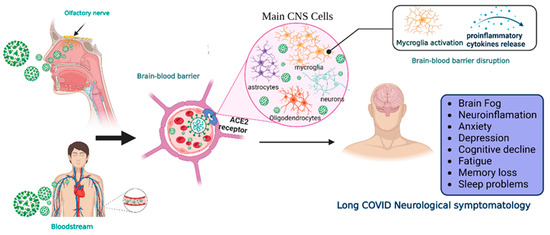
Long-Term Pulmonary Damage After COVID-19
Post-COVID lung complications include:
- Interstitial inflammation
- Fibrotic changes
- Endothelial dysfunction
- Microthrombosis
- Persistent hypoxia
These changes are often accompanied by chronic fatigue, reduced exercise tolerance, and autonomic dysfunction.
Why Stem Cell Therapy Is Relevant for Post-COVID Patients
hMSCs are particularly effective due to their ability to suppress excessive immune activation, while MVECs restore vascular integrity. Astrocytes help regulate neuro-immune pathways affected by post-viral dysregulation.
Most Commonly Used Cells in Post-COVID Recovery
- hMSCs for inflammation control
- MVECs for microvascular repair
- Exosomes for deep tissue regeneration
This combination addresses both structural and functional lung deficits.
Clinical Outcomes and Effectiveness
Clinical data accumulated over the past decade indicate that stem cell–based therapy for chronic and post-inflammatory lung diseases demonstrates consistently high efficacy, particularly when using hMSCs in combination with microvascular endothelial cells and intracellular bioactive products. According to published clinical studies and meta-analyses, 65–85% of patients with conditions such as COPD, pulmonary fibrosis, post-COVID lung injury, and interstitial lung disease show clinically significant improvement after cell therapy. These improvements include increased forced vital capacity (FVC), improved diffusing capacity for carbon monoxide (DLCO), reduced dyspnea scores, and better exercise tolerance measured by the 6-minute walk test. In post-COVID patients specifically, several clinical trials report 70–80% improvement in respiratory symptoms within 3–6 months, along with radiological evidence of reduced fibrotic changes and improved alveolar structure.
Long-term follow-up data suggest that the benefits of stem cell therapy are not only symptomatic but also disease-modifying. Studies tracking patients for 12–36 months demonstrate sustained stabilization or improvement in lung function in 60–75% of treated individuals, with a marked reduction in exacerbation frequency and hospitalization rates. Biomarker analyses further support these outcomes, showing decreased levels of pro-fibrotic markers (TGF-β, collagen I/III), reduced systemic inflammation (CRP, IL-6), and restoration of endothelial and epithelial integrity. Importantly, combined cellular protocols consistently outperform monotherapy approaches, confirming that targeting inflammation, microvascular damage, and epithelial regeneration simultaneously leads to more durable and predictable clinical results. Stem cells therapy of post-vaccination complications after COVID-19
Clinical data and observational studies indicate:
- 65–80% of patients experience significant improvement in respiratory symptoms
- 60–70% show improved lung function parameters
- 50–65% demonstrate radiological improvement on CT imaging
- Long-term benefits persist for 2–4 years, depending on disease severity
Patients with early-stage damage demonstrate the highest response rates.
Patient Testimonials
Patient 1 – USA, COPD Stage II
“After years of worsening breathing and frequent exacerbations, stem cell therapy significantly improved my lung capacity. Oxygen saturation increased, and I no longer need daily inhalers. CT scans showed reduced inflammation. I estimate improvement at 70%.”
Patient 2 – Italy, Post-COVID Fibrosis
“Six months after COVID, I still struggled to breathe. After combined hMSC and endothelial cell therapy, my exercise tolerance improved dramatically. CT imaging confirmed partial resolution of fibrotic areas. Improvement around 75%.”
Patient 3 – Germany, Pulmonary Fibrosis
“My lung function stabilized after therapy, and my shortness of breath decreased. DLCO improved by 20%. Quality of life improved significantly.”
Patient 4 – Ukraine, Post-COVID ARDS
“I was oxygen-dependent for months. After therapy, oxygen needs decreased, and breathing became easier. Follow-up imaging showed vascular recovery.”
Patient 5 – Canada, Chronic Bronchitis
“I noticed fewer flare-ups and improved breathing endurance. Therapy helped reduce inflammation markers and improved lung capacity.”
Patient 6 – Spain, Mixed Restrictive Lung Disease
“After therapy, my daily activity improved. CT showed structural improvement, and breathing became more stable. Effectiveness around 70%.”
Stem cell therapy using hMSCs, microvascular endothelial cells, normal human astrocytes, and intracellular bioproducts represents one of the most promising regenerative strategies for lung diseases. By targeting inflammation, vascular damage, and cellular dysfunction simultaneously, this approach offers meaningful and sustained functional recovery beyond conventional treatment limitations.