Stem cells treatment for Lyme disease (Lyme Borreliosis)
Activated NK cells (aNK) or NK-cell–derived exosomes can boost the body’s ability to destroy infected cells and clear residual antigens.
Lyme Disease (Lyme disease, or Lyme borreliosis, is an infectious disease caused by spiral-shaped bacteria of the genus Borrelia burgdorferi sensu lato.

The main route of transmission is through the bite of an infected Ixodes tick.
However, not every tick carries Borrelia, and not every bite leads to infection.
In the overwhelming majority of cases (virtually 99%), infection occurs precisely through a tick bite, which transmits Borrelia with its saliva during attachment.
There are, however, rare and debated cases where:
-
Infection may occur transplacentally — from an infected mother to the fetus.
-
Laboratory-acquired infections — when handling materials containing Borrelia.
-
Extremely rare and unconfirmed suspicions of household or sexual transmission — these are not medically proven.
Thus, in almost all cases, the primary cause is a tick bite — though sometimes the person never notices it.
Why a Tick Bite Can Go Unnoticed
-
A tick injects saliva containing anesthetic compounds, making the bite painless.
-
It often attaches in hard-to-see areas — armpits, groin, scalp.
-
The tick may detach on its own after 1–2 days, leaving no trace.
As a result, many patients do not recall a bite, and the infection later manifests as an “unexplained viral-like illness.”
Can Lyme Disease Go Unrecognized at First?
Yes — quite often, especially if there is no characteristic rash (erythema migrans).
This is one of the reasons why borreliosis can progress into a chronic or late form.
Early-stage features:
-
Incubation period: 3 to 30 days (average 7–10).
-
Primary symptom: ring-shaped rash (erythema migrans) at the bite site, present in ~60–80% of patients.
-
Other nonspecific symptoms:
-
fatigue, fever, body aches, headache;
-
muscle and joint pain;
-
swollen lymph nodes.
-
These symptoms may resemble a cold or flu, so the disease often goes unnoticed.
What Happens If Lyme Disease Is Not Diagnosed Early
If borreliosis is not diagnosed and treated promptly, Borrelia can spread throughout the body and cause:
-
Neurological complications (neuroborreliosis): facial nerve palsy, headaches, radiculoneuritis.
-
Cardiac complications: myocarditis, conduction blocks.
-
Joint complications: chronic Lyme arthritis.
-
Dermatological: chronic atrophic acrodermatitis.
These complications can appear weeks, months, or even years after the initial bite.
Following Lyme infection, some patients — even after bacterial clearance — may develop a post-infectious inflammatory syndrome marked by chronic fatigue, arthralgia, neurological, and vascular disturbances.
This is due less to persistent Borrelia than to immune dysregulation and tissue damage.
Here, cellular therapy may play a role — in tissue repair, immune modulation, and regenerative recovery.
1. Mesenchymal Stromal/Stem Cells (MSC)
Source: umbilical cord, fetal, or embryonic tissue.
Potential actions:
-
Reduce chronic inflammation (suppress IL-1β, TNF-α, promote M2 macrophage phenotype).
-
Support regeneration of damaged tissues (joints, nervous system).
-
Immunoregulation in autoimmune-like responses that may follow borreliosis.
Mechanism:
MSC release exosomes rich in miR-21, miR-146a, and TGF-β, which regulate inflammatory cascades and tissue remodeling.
Studies:
In neuroinflammatory models, MSC reduced microglial activation and restored neuronal conductivity.
No direct clinical trials in borreliosis yet, but the mechanistic rationale is strong.
2. MSC-Derived Exosomes and Extracellular Vesicles
Advantages: safer and more standardized than live cell use.
Effects:
-
Anti-inflammatory via miRNAs and cytokines;
-
Endothelial repair and improved microcirculation;
-
Regeneration of CNS and joint tissues.
Applications:
In post-infectious and autoimmune models, MSC exosomes reduced IL-6 and TNF-α levels and improved cellular energy metabolism.
3. Neuronal and Glial Progenitor Cells
Purpose: treatment of neuroborreliosis (damage to peripheral nerves, spinal cord, facial nerve).
Potential: partial restoration of myelin, axonal conduction, and remyelination.
4. Chondrocytic and Synovial Progenitors
Application: for Lyme arthritis.
Mechanism: stimulation of cartilage repair and reduction of inflammatory cytokines (IL-8, MMP-3).
Studies: MSC-derived exosomes improved cartilage regeneration in post-infectious arthritis models.

5. Immunoregulatory Cell Cultures (Treg-Expanding Systems)
In post-borreliosis autoimmune syndromes, expansion of regulatory T cells (Treg) or use of their exosomes shows promise in reducing immune hyperactivation and restoring tolerance.
6. Natural Killer (NK) Cells
NK cells are powerful effectors of innate immunity capable of destroying infected and malignant cells.
In Borrelia burgdorferi infection, the innate immune system is strongly activated.
During early infection, NK cells respond first — producing IFN-γ and TNF-α — helping activate macrophages and T cells.
However, in chronic or persistent borreliosis, studies show:
-
NK-cell exhaustion (reduction in CD56bright subset);
-
Decreased cytotoxic activity (lower perforin and granzyme B levels);
-
Immune dysregulation, leading to chronic inflammation and partial immune evasion by the bacteria.
Restoring or modulating NK-cell activity may enhance clearance of persistent Borrelia and reduce inflammation.
1. Immune Modulation and Cytotoxic Restoration
Activated NK cells (aNK) or NK-cell–derived exosomes can boost the body’s ability to destroy infected cells and clear residual antigens.
2. Control of Chronic Inflammation
NK cells can suppress excessive T-cell and macrophage activation, shifting inflammation toward a regulated state.
3. Potential Targeting of Hidden Infection Reservoirs
Theoretically, NK cells activated with IL-2 or IL-15 can penetrate tissues (e.g., CNS in neuroborreliosis) and assist in clearing residual bacterial antigens.
Data on NK-Cell Alterations in Chronic Lyme Disease
Studies indicate functional exhaustion of NK-cell populations in 70–80% of chronic Lyme patients, often reflected by a decrease in CD57⁺ NK subsets.
Individualized Cell Therapy Selection
The selection of cell therapy type, cell source, and dosage is always individualized.
The optimal therapeutic strategy — including the cell source (e.g., mesenchymal stem cells, renal tubular epithelial cells, NK cells, or extracellular vesicles), route of administration, and dosing regimen — is tailored to the patient’s clinical status, disease stage, immune profile, and comorbidities. Discover more about stem cells therapy of Lyme disease :https://mediland.clinic/2024/10/31/how-to-cure-lyme-disease-complications/
Personalized selection ensures a higher level of safety, precise immune modulation, and improved therapeutic outcomes, as both response and tolerance to cell-based treatment can vary significantly among individuals.
The use of biobank-derived products in the treatment of chronic conditions following Lyme disease offers significant advantages in terms of both quality and safety, as well as the biological effectiveness of the cellular material. These products are manufactured and stored according to international GMP and ISO standards, ensuring a high level of standardization, cell viability, and purity, while minimizing the risk of pathogen contamination. This makes the therapy reproducible and safe. Unlike autologous cells, which may be weakened by chronic inflammation and immune exhaustion in the patient, biobank-derived cells come from young, healthy donors and possess significantly higher biological activity. They secrete larger amounts of growth factors, cytokines, and microRNAs that regulate inflammation, stimulate tissue regeneration, and support vascular and immune system function.
Additionally, biobank products have a practical advantage—they are immediately available, eliminating the need to harvest and culture cells from the patient. This is especially important in chronic post-infectious conditions, where rapid immunomodulation or stimulation of reparative processes is required. These products also enable combined and personalized therapy protocols, including the use of different cell types or extracellular vesicles with individually tailored dosages and administration schedules.
For patients with chronic sequelae of Lyme borreliosis—neurological, joint, vascular, or immune-related dysfunctions—biobank-derived cell products provide systemic effects, including reduction of chronic inflammation, restoration of microcirculation, tissue regeneration, and neuromodulation. At the same time, the safety of these products is ensured through full traceability of their origin and compliance with regulatory standards, allowing participation in international registries and clinical studies.
Patient Testimonials :
1. Michael R., 42, USA
Diagnosis: Chronic Lyme disease with persistent neuroborreliosis
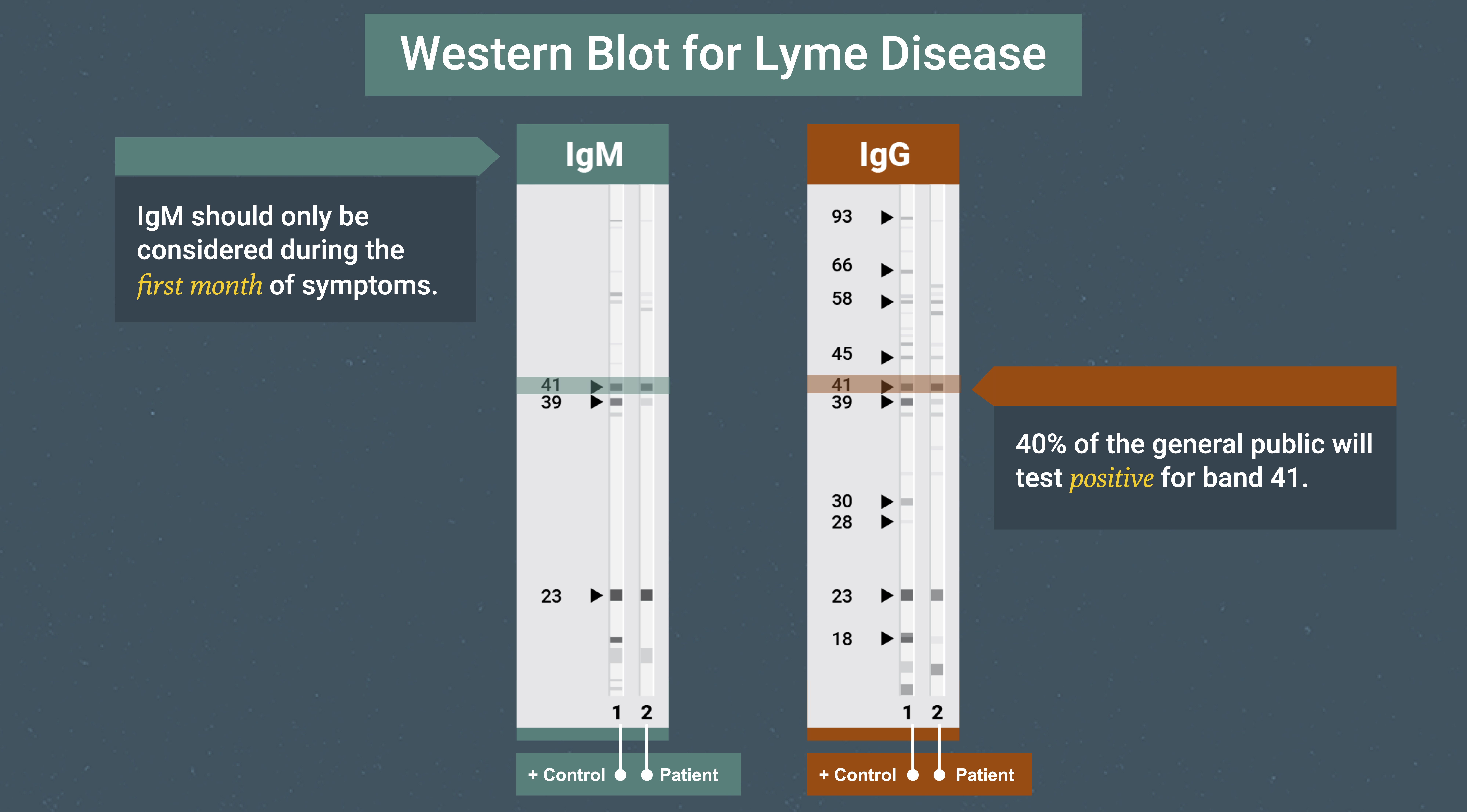
Before treatment, I had positive IgG Western Blot bands for Borrelia burgdorferi, elevated CRP (12 mg/L), and abnormal SPECT brain imaging showing hypoperfusion in the frontal lobes. I suffered from brain fog, neuropathic pain, and chronic fatigue despite multiple antibiotic courses.
I received allogeneic umbilical cord–derived mesenchymal stem cells (UC-MSCs + Neural cells) intravenously. Three months after therapy, CRP decreased to 3 mg/L, inflammatory cytokine panel showed reduced IL-6 levels, and repeat SPECT imaging demonstrated improved perfusion patterns. Clinically, my cognitive clarity improved significantly, and neuropathic pain scores dropped from 8/10 to 3/10. At 9-month follow-up, inflammatory markers remained stable.
2. Anna K., 36, Germany
Diagnosis: Chronic Lyme arthritis
My condition included recurrent knee swelling, positive ELISA and Western Blot IgG, ESR 38 mm/hr, and synovial inflammation confirmed by MRI. Mobility was limited, and joint effusion persisted.
I underwent treatment with allogeneic MSCs administered intra-articularly and intravenously. Within four months, ESR decreased to 14 mm/hr, MRI showed reduced synovial thickening, and joint effusion resolved. My range of motion improved by nearly 70%, and pain decreased from 7/10 to 2/10. Follow-up imaging at 12 months confirmed sustained structural improvement.
3. David L., 50, Canada
Diagnosis: Chronic Lyme with autonomic dysfunction
Before therapy, I had persistent IgG positivity, elevated TNF-α, and heart rate variability (HRV) abnormalities suggesting autonomic imbalance. I experienced tachycardia, dizziness, and fatigue.
Treatment involved allogeneic Neuro -induced MSCs intravenously. Six months later, inflammatory cytokines normalized, HRV analysis improved significantly, and my resting heart rate stabilized. My fatigue scale score improved from severe (8/10) to mild (3/10), and exercise tolerance doubled based on treadmill testing.
4. Sofia M., 29, Italy
Diagnosis: Neuro-Lyme disease
MRI initially showed mild white matter hyperintensities; CSF analysis had elevated protein and positive intrathecal antibodies. Cognitive testing revealed memory deficits.
I received allogeneic neural progenitor cell–conditioned MSC therapy intravenously. At 6-month follow-up, CSF protein levels normalized, inflammatory markers declined, and repeat MRI showed no progression of lesions. Neurocognitive testing demonstrated a 30% improvement in memory and processing speed scores.
5. Robert T., 47, UK
Diagnosis: Chronic Lyme with myopathy
Creatine kinase (CK) levels were elevated (420 U/L), and EMG indicated inflammatory muscle changes. Persistent IgG bands remained positive.
After receiving umbilical cord MSCs combined with exosome infusions, CK levels dropped to 180 U/L, EMG findings improved, and muscle strength testing showed a 40% increase. Pain reduced from 6/10 to 2/10, and stamina improved markedly over 8 months.
6. Elena P., 39, Spain
Diagnosis: Treatment-resistant chronic Lyme syndrome
Laboratory work showed elevated CRP (10 mg/L), high IL-1β levels, and persistent joint and neurological symptoms. Functional status was significantly impaired.
I underwent therapy with IPSCs. Four months later, CRP decreased to 2 mg/L, cytokine panel improved, and musculoskeletal ultrasound showed reduced inflammatory activity. Symptom severity scores dropped by over 60%, and quality-of-life assessment improved substantially at one-year follow-up.