How stem cells therapy helps in spinal disc damages.
Interesting to know: To cure back pain without surgery - this is stem cells treatment, which have more then 50% of pain relief during 3 weeks after treatment.
Chronic low back pain has a significant social and psycho emotional impact on patients. The magnitude of the problem is compounded by the difficulty of determining the exact causes of disc degeneration using modern diagnostic and imaging techniques. At the same time, modern conservative and surgical methods of treating discogenic low back pain do not meet the expectations of many patients and, therefore, do not meet the expectations of many patients and pose a problem.
The goal of new regenerative stem cell therapy is to treat degenerative disc disease by restoring disc cellular structure and modulating the inflammatory response. This has led to a greater focus on innovation, more efficient culture methods, delivery vehicles, and scaffolds for stem cell applications.
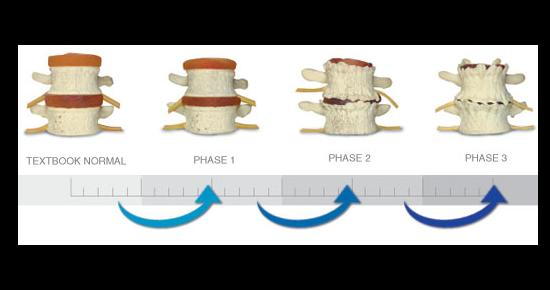
Chronic back pain
Chronic low back pain affects approximately 632 million people worldwide, with prevalence reaching 68% among adults over 60 years of age. Patients with chronic spine diseases have lower quality of life scores compared to patients with other chronic diseases such as arthritis, chronic lung disease, congestive heart failure and diabetes.
Stem cell therapy for degenerative disc disease is a relatively new approach with promising results as an alternative to traditional surgical and non-surgical treatments. The exact causes of disc degeneration are complex and difficult to determine; they are associated with aging, genetic predisposition, nutritional factors such as obesity, mechanical trauma, smoking and other comorbidities.
Why we feel back pain?
The adult intervertebral disc is an avascular organ that relies on passive diffusion from adjacent endplate vessels for nutrition, resulting in poor intrinsic healing potential.
Aging is associated with lower water and proteoglycan content, as well as high collagen concentrations. With age, the chain length of chondroitin sulfate decreases and the chain length of keratan sulfate increases. This inverse change in chain length is associated with a decrease in oxygen supply to the disc with age. The reason is that oxidation is a necessary condition for the formation of glucuronic acid, necessary for the synthesis of chondroitin sulfate,
Another cause is matrix metalloproteinases. They play an important role in degradation within the disc with age as a result of an imbalance in their turnover and activation relative to the loss of their inhibitors. This decrease in nutrition occurs primarily due to increased disc size and endplate calcification.
Due to decreased nutrition to the disc, disc cell density decreases with age. The above changes, including a decrease in water content and proteoglycan aggregates, along with an increase in fibrous nature, cause disc narrowing. The loss of the disc's own hydrostatic pressure due to dehydration affects the disc's resistance to mechanical stress. The result is disc space narrowing, bulging, and ultimately the formation of osteophytes with endplate sclerosis. This causes pressure on the nerve roots, leading to back pain and eventually weakness and numbness. Vascular ingrowth eventually extends centrally and is associated with the innervation of the disc, causing discogenic pain.
Also an important factor that should be taken into account in the pathogenesis of changes in the spinal disc are biomechanical loads. It is now understood that disc cell metabolism is enhanced by physiological intermittent compressive loading, which increases the production of both proteoglycans and tissue inhibitors.
Both conservative and surgical treatments have failed to meet the expectations of many patients and have not provided a satisfactory means of treating this condition. In a large controlled study of 1450 patients focusing on the outcome measure (return to work), only 26% of patients had a positive outcome over the follow-up 2 years.
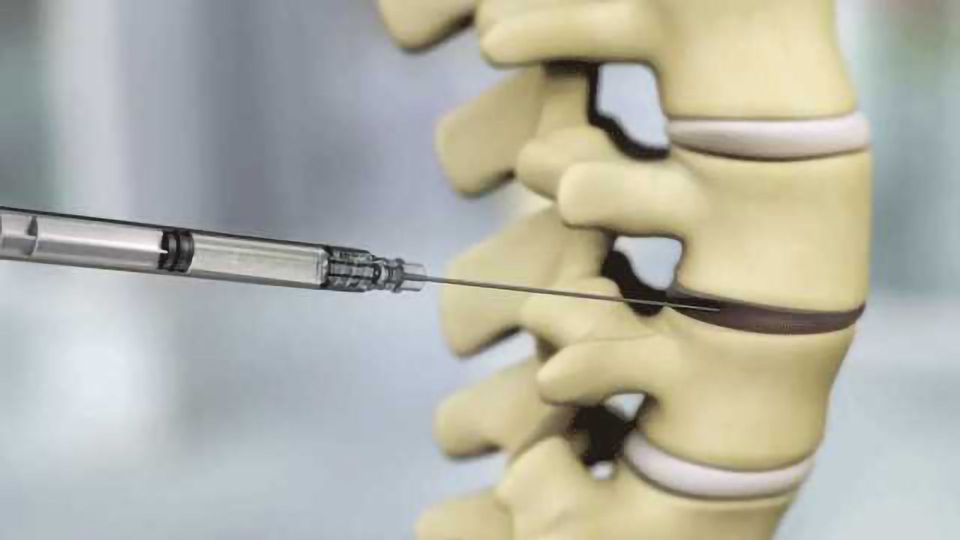
Stem cells treatment
MSCs are stem cells that have extensive proliferative capacity and multilineage potential. The effect of MSCs in delaying and even reversing the degenerative cascade has been well documented in many clinical settings. The injected cells not only restore the cell population in degenerated discs, but are also capable of producing ECM and aggrecan, resulting in increased disc height.
Overall data show that more patients treated with local MSCs reported ≥50% reduction in low back pain compared with pre-therapy. After 3 weeks, almost everyone experienced a rapid initial reduction in pain and improved mobility, followed by moderate additional improvements over a further 12 months. The water content increased and the height of the disk increased. Measuring the posterior size of the intervertebral disc showed that 85% of patients who underwent MRI demonstrated a decrease in the size of the disc bulge. Progenitor cells derived from other tissue sources, such as adipose tissue, have also been shown to have significant differentiation potential and the ability to form tissue structures.
Which patients are suitable for cell therapy?
When considering the clinical success of cell therapy, it is important to determine the status of the intervertebral disc and evaluate the applicability of cell therapy. Patients come to the doctor because of back pain, not because they are concerned about disc degeneration. In fact, many patients with severe disc degeneration have no symptoms. Therefore, the clinical target should be back pain rather than disc degeneration.
Degenerative disc disease can be a major cause of back pain, decreased mobility, and a negative impact on your overall quality of life. With osteochondrosis, certain structures of the spine, including nerve roots, muscles, and many supporting tissues, can be damaged due to direct pressure, inflammation, and decreased space between the vertebrae.
A disc that has undergone degenerative effects, possibly related to aging and/or wear and tear, may be unable to repair itself. Stem cells are unique in their ability to repair damage. They can be injected (by injection) into the damaged disc to speed up healing.
Stem cells can regenerate the formation of fibrous connective tissue (such as ligaments), making them ideal for repairing soft tissue damage caused by degenerative disc disease.
Our stem cell treatment for degenerative disc disease consists of placing mesenchymal stem cells in damaged areas of the back to regenerate worn tissue and cartilage that affects the joints and causes pain, decreased range of motion, inflammation and limited mobility. general proper functioning of the back.
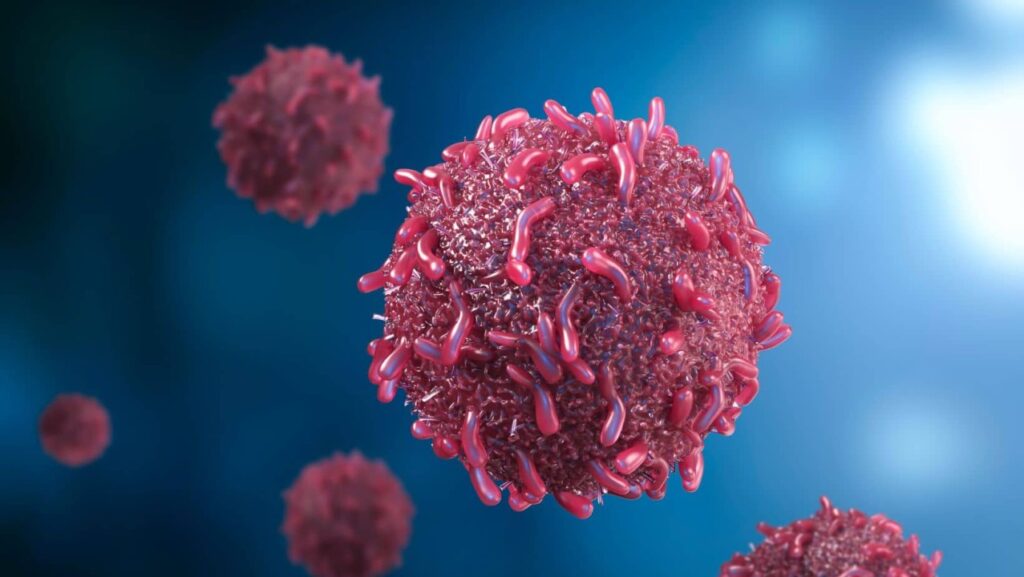
When to expect results:
Typically, around the third week after the procedure, most patients notice pain relief. Gradual pain relief continues for about three months. Studies have shown that 75% of patients experience relief for up to two years.
Treating degenerative disc disease with a patient's stem cells takes advantage of the body's ability to heal itself naturally. Once stem cells are added to the disc, the disc will likely function without pain.
Stem cell treatment may be preferable to other treatments for damaged discs, such as surgery to remove one or more damaged discs, replacing the damaged disc with an artificial device, or spinal fusion.
The benefits of stem cell treatment for degenerative discs may vary from patient to patient depending on many factors, including current health, medical history, level of damage, and other factors. It is important to understand that although the use of mesenchymal stem cell injections for nerve or muscle regeneration has shown one of the highest success rates for treating this disease, patients undergoing this treatment should not create false expectations of a complete guaranteed cure.