Case Study: Stem Cell Therapy for Chronic Fatigue Syndrome
A Six-Year Journey With Severe Post-Viral Fatigue, Headaches and Functional Decline Patient: Elena, 44 years oldCondition: Myalgic encephalomyelitis/chronic…
A Six-Year Journey With Severe Post-Viral Fatigue, Headaches and Functional Decline
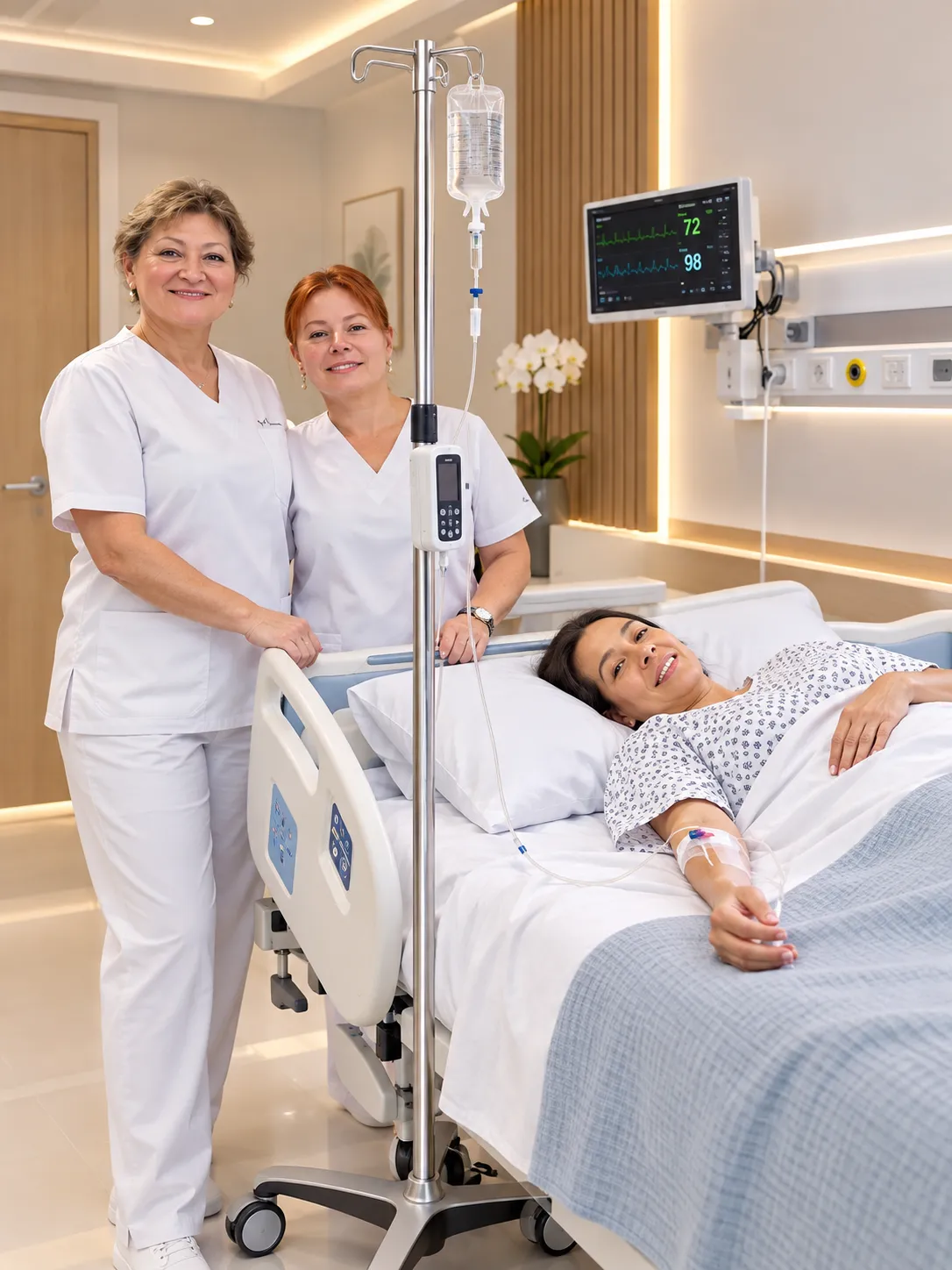
Patient: Elena, 44 years old
Condition: Myalgic encephalomyelitis/chronic fatigue syndrome (ME/CFS)
Duration of symptoms: More than 6 years
Treatment approach: Investigational cell-based regenerative therapy
Follow-up period described in this case: 2–3 months
Chronic fatigue syndrome, more precisely known as myalgic encephalomyelitis/chronic fatigue syndrome (ME/CFS), is a complex, chronic multisystem illness associated with a substantial reduction in everyday activity, persistent fatigue, post-exertional malaise, unrefreshing sleep and, in many patients, cognitive and autonomic symptoms. Some patients become housebound or bedbound as the illness progresses.
This case study describes the experience of Elena, a 44-year-old woman who had lived with progressive symptoms for more than six years.
The objective of the treatment program was not simply to address fatigue as an isolated symptom, but to investigate several biological areas potentially relevant to her condition, including immune regulation, cellular energy metabolism and tissue-supportive signaling.Stem cells therapy helps in Chronic Fatigue Syndrome
Clinical note: The case described below is an individual treatment experience. It should not be interpreted as evidence that stem cell therapy cures ME/CFS or that the same response will occur in other patients. Stem-cell-based treatment for ME/CFS remains an investigational approach, and current clinical guidance does not recognize a definitive stem-cell therapy as standard treatment.
Elena's Story: How Chronic Fatigue Developed
According to the patient's history, Elena's illness began with what initially appeared to be a mild post-viral malaise.
At first, the symptoms were relatively manageable. However, over time, additional symptoms developed, including:
- persistent and progressively worsening fatigue;
- recurrent headaches and migraine attacks;
- reduced physical endurance;
- increasing difficulty maintaining normal daily activities;
- systemic infectious and inflammatory problems;
- reduced ability to work and participate in family life.
The condition gradually became more disabling.
Over approximately six years, Elena experienced a substantial decline in functional capacity. By the time of her assessment, she reported spending approximately 80% of her time in bed, leaving only a limited amount of the day available for normal activity.
This pattern is consistent with the severe functional limitation that can occur in ME/CFS, where even relatively minor physical or cognitive exertion may provoke worsening symptoms known as post-exertional malaise (PEM). PEM can occur after a delay and may persist for days or longer.
Medical Assessment Before Stem Cell Therapy for Chronic Fatigue Syndrome
The patient's evaluation identified several abnormalities and coexisting conditions reported as relevant to her clinical picture.
These included:
Low lymphocyte levels.
A reduced lymphocyte count may indicate altered immune status and requires interpretation in the context of the complete blood count, medical history and other laboratory findings.
Lyme disease.
The patient was reported to have Lyme disease. Because persistent fatigue and neurological symptoms can have multiple causes, infectious diagnoses and other potential contributors need to be evaluated individually.
Frequent migraine attacks.
Recurrent migraine was an important additional burden affecting daily function and quality of life.
Systemic infections.
The patient's clinical history included recurrent systemic infectious problems.
ME/CFS itself does not have a single confirmatory laboratory test. Current CDC guidance emphasizes a detailed medical history, examination and laboratory investigation to exclude other diseases that can cause fatigue and to identify coexisting conditions.
Investigational Cell-Based Treatment Approach in Stem Cells for ME/CFS
According to the treatment record, Elena's program included several cellular and cell-derived components:
Mesenchymal Stromal Cells (MSCs)
MSCs are being investigated for their immunomodulatory and paracrine effects. Rather than functioning only as replacement cells, MSCs may interact with immune cells and release signaling molecules that influence the surrounding cellular environment.
IPCS Cells
The treatment record describes the use of IPCS cellular therapy as part of the broader regenerative program.
NK + T Cells
Natural killer (NK) cells and T cells are central components of the immune system. Their inclusion reflects an attempt to address the patient's broader immune and infectious history.
Mitochondrial Support
Mitochondrial biology has attracted significant research interest in ME/CFS because studies have explored abnormalities involving cellular energy production, immune-cell metabolism, oxidative stress and interactions between metabolic and immune pathways.
Exosomes
Exosomes are extracellular vesicles involved in cell-to-cell communication. They can carry proteins, lipids and nucleic-acid-associated signals. Their potential role in regenerative medicine is being investigated, but clinical applications for ME/CFS remain experimental.
Functional Vesicles for Cellular Metabolism
The protocol also incorporated functional vesicles intended to support cellular signaling and metabolic processes. As with exosome-based interventions, these applications should be regarded as investigational rather than established therapy for ME/CFS.
What Happened After Stem cells therapy for ME/CFS?
According to the patient's follow-up history, the most noticeable changes occurred gradually during the first 2–3 months after therapy.
The key improvement was not simply a subjective reduction in fatigue. The patient reported a meaningful increase in the amount of time she was able to remain active and participate in everyday life. Stem cells treatment for Lyme disease (Lyme Borreliosis)
Before treatment, Elena estimated that she spent approximately 80% of her time in bed.
During follow-up, her reported level of daily activity increased to approximately 60% of her day, representing a substantial functional change from her previous baseline.
Reported Functional Improvements
During the following months, Elena reportedly:
- increased her daily activity;
- began performing basic therapeutic exercise and gentle gymnastics;
- returned to partial online employment;
- spent more time with her children;
- increased contact with family and relatives;
- became more involved in ordinary household and social activities;
- demonstrated greater physical endurance than before treatment.
For a patient who had previously spent most of her time in bed, the ability to resume even limited work and exercise represents an important change in everyday function.
Before and After: Elena's Reported Functional Status
| Functional Domain | Before Therapy | 2–3 Months After Therapy |
|---|---|---|
| Time spent in bed | Approximately 80% | Approximately 40% |
| Active part of the day | Approximately 20% | Approximately 60% |
| Physical activity | Very limited | Basic gymnastics resumed |
| Employment | Unable to maintain normal workload | Partial online work resumed |
| Time with children | Limited | Increased |
| Family/social participation | Significantly reduced | Increased |
| Daily independence | Severely restricted | Improved according to patient report |
These figures are based on the patient's reported functional status and are not the same as results from a validated ME/CFS functional scale.
What Could Explain the Biochemical Changes?
1. Immune Regulation
ME/CFS research has identified abnormalities involving immune regulation in some patient groups, although there is no single immune biomarker that can diagnose the disease.
MSCs are of interest because they can interact with immune cells and influence inflammatory signaling through paracrine mechanisms.
In theory, this may affect the balance between pro-inflammatory and regulatory immune pathways.
However, this mechanism remains an area of investigation and should not be interpreted as proof that MSC treatment corrects the immune abnormalities of ME/CFS.
2. Cellular Energy Metabolism
Energy metabolism is another major research area in ME/CFS.
Research has explored relationships between mitochondrial function, immune-cell metabolism, oxidative stress and cellular bioenergetics. A review of the biological mechanisms of chronic fatigue syndrome described interacting roles for immune-cell mitochondria, the autonomic nervous system, oxidative and metabolic pathways, the gut environment and infectious triggers.
This provides a scientific rationale for investigating therapies that may influence the cellular environment involved in energy production.
In Elena's case, the reported increase in activity is consistent with improved functional capacity, but it cannot by itself demonstrate that mitochondrial function objectively improved.
3. Cellular Communication and Extracellular Vesicles
Exosomes and other extracellular vesicles participate in communication between cells.
They can transport signaling molecules and influence the behavior of recipient cells. Because of this, extracellular vesicles are being investigated in regenerative medicine as potential modulators of inflammation, tissue signaling and cellular responses.
4. Immune-Cell Metabolism
The immune system and cellular metabolism are closely connected.
Changes in immune activation can alter energy requirements, while changes in cellular metabolism can influence immune-cell function. This interaction has become an important research area in ME/CFS and related post-infectious conditions. NK cells help to kill herpes virus!
From Bedbound to Partial Daily Function
Perhaps the most meaningful aspect of Elena's case was the change in her functional independence.
At the beginning of treatment, her illness had effectively taken over most of her daily life.
Spending approximately 80% of the day in bed meant that ordinary activities such as work, exercise, family interaction and social participation were severely restricted.
Within several months of treatment, according to her reported experience, the balance changed.
She was able to spend a significantly greater proportion of the day active, start basic gymnastics, participate in online work and spend more time with her children and relatives.
For a person living with long-term fatigue and severe functional limitation, these everyday changes may be more meaningful than a single laboratory number.
How Should Improvement in ME/CFS Be Measured?
A comprehensive follow-up strategy may include both subjective and objective outcomes.
Important measures can include:
Functional capacity: ability to perform household, occupational, educational and social activities.
Post-exertional malaise: frequency, severity and duration of symptom worsening after activity.
Sleep: whether sleep is restorative and whether sleep quality changes over time.
Cognitive function: attention, memory, processing speed and "brain fog."
Orthostatic symptoms: dizziness, intolerance of standing and autonomic symptoms.
Laboratory monitoring: complete blood count, inflammatory markers and other tests appropriate to the individual clinical situation.
Metabolic assessment: selected biochemical or metabolic markers may be considered in research settings, but there is currently no universally accepted metabolic biomarker for ME/CFS.
Could Stem Cell Therapy Become a Treatment for ME/CFS?
Cell-based regenerative medicine is an area of continuing scientific interest, particularly because ME/CFS involves multiple interacting biological systems rather than a single isolated symptom.
Potential research directions include:
Immune modulation through MSC-based therapies.
Cellular metabolism and mitochondrial biology.
Neuroimmune signaling between immune cells and the nervous system.
Extracellular vesicles and cell-to-cell communication.
Post-infectious disease mechanisms and persistent immune or metabolic changes.
Current guidance focuses on individualized symptom management, energy management and assessment of associated conditions rather than an approved regenerative-cell treatment.
Elena's Experience After Six Years of Chronic Fatigue
Elena's case illustrates the profound impact that severe ME/CFS-like illness can have on a person's independence and family life.
After more than six years of progressive symptoms that eventually left her spending approximately 80% of her time in bed, she reported meaningful functional improvements during the 2–3 months following an investigational cell-based treatment program.
According to her account, she increased her active time to approximately 60%, resumed basic exercise, returned to part-time online work and became more involved with her children, relatives and everyday activities.
From a scientific perspective, the case also highlights several important areas of current ME/CFS research: immune regulation, mitochondrial and cellular energy metabolism, post-infectious biology and extracellular vesicle signaling.