Regenerative Medicine for Dry Eye Disease
Cell-Based Therapies, Extracellular Vesicles and a Multimodal Approach to Ocular Surface Repair Dry eye disease (DED) is no longer considered simply a disord…
Cell-Based Therapies, Extracellular Vesicles and a Multimodal Approach to Ocular Surface Repair
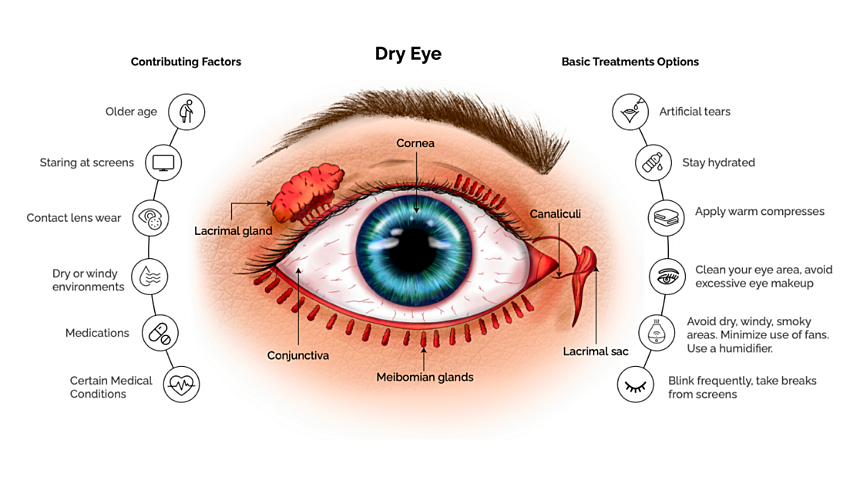
Dry eye disease (DED) is no longer considered simply a disorder of insufficient tear production. Modern ophthalmology views it as a complex disease of the entire ocular surface system, involving the corneal epithelium, conjunctiva, lacrimal glands, meibomian glands, tear film, sensory nerves and local immune environment.
Tear-film instability, hyperosmolarity, epithelial injury, oxidative stress, abnormal immune activation and chronic inflammation can reinforce one another, creating a self-sustaining disease cycle. Once this cycle becomes established, conventional artificial tears may provide symptomatic relief without fully restoring the biological environment required for long-term ocular surface repair.
This has created growing interest in regenerative medicine.
The central idea of regenerative ophthalmology is different from simply replacing tears. Instead of only compensating for what the eye has lost, regenerative strategies attempt to influence the biological processes responsible for tissue damage and recovery.
These approaches include mesenchymal stromal/stem cells (MSCs), adipose-derived stromal cells, bone-marrow-derived MSCs, umbilical-cord-derived MSCs, tissue-specific progenitor cells, limbal epithelial stem cells, cell-conditioned media, extracellular vesicles (EVs), exosomes and combinations of cellular and cell-free therapies.
Recent human evidence is encouraging. A 2026 systematic review and meta-analysis of six human studies involving 131 patients reported improvements in tear production, tear-film stability, corneal epithelial integrity and patient-reported symptoms following stem-cell-based interventions. At the same time, the authors emphasized that the available studies remain heterogeneous and relatively small, with limited long-term safety data.
Therefore, the most scientifically interesting question is no longer simply:
“Can stem cells help dry eye?”
A more useful question is:
“Which cell population should be used, what biological problem should it target, and how can cellular therapy be combined with extracellular vesicles and local ocular treatment to restore the ocular surface?”
That question forms the basis of the emerging regenerative approach to DED.
Why Dry Eye Disease Is a Regenerative Problem
The ocular surface is a continuously renewing biological system.
The corneal epithelium must constantly replace damaged cells. Conjunctival epithelial cells and goblet cells contribute to mucin production and tear-film stability. The lacrimal glands provide the aqueous component of the tear film, while the meibomian glands contribute the lipid layer that limits evaporation.
These components function as an integrated system.
When one component becomes dysfunctional, the others may also deteriorate.
For example, reduced lacrimal secretion can increase tear-film hyperosmolarity. Hyperosmolarity can activate inflammatory signaling. Inflammation damages epithelial cells and can alter mucin-producing goblet cells. A damaged epithelial surface becomes more vulnerable to environmental stress and further tear-film instability.
The result is a vicious cycle:
tear-film instability → hyperosmolarity → inflammation → epithelial injury → impaired ocular-surface homeostasis → further tear-film instability.
Regenerative medicine attempts to interrupt this cycle at several biological levels simultaneously.
Rather than simply adding fluid to the eye, the goal is to promote:
- epithelial repair;
- restoration of ocular-surface homeostasis;
- reduction of chronic inflammation;
- modulation of abnormal immune responses;
- protection against oxidative stress;
- restoration of lacrimal-gland function;
- support of corneal epithelial regeneration;
- improvement of the cellular microenvironment.
This explains why cell-based approaches are particularly attractive for severe or treatment-resistant DED.
Mesenchymal Stromal Cells
Among regenerative cell populations, mesenchymal stromal cells remain one of the most extensively investigated platforms for DED.
MSCs can be obtained from several biological sources, including:
- bone marrow;
- adipose tissue;
- umbilical cord;
- Wharton's jelly;
- dental pulp;
- other stromal tissues.
Their therapeutic potential does not depend exclusively on their ability to differentiate into replacement tissue.
In fact, an important modern concept is that much of the effect of MSCs may be mediated through paracrine signaling.
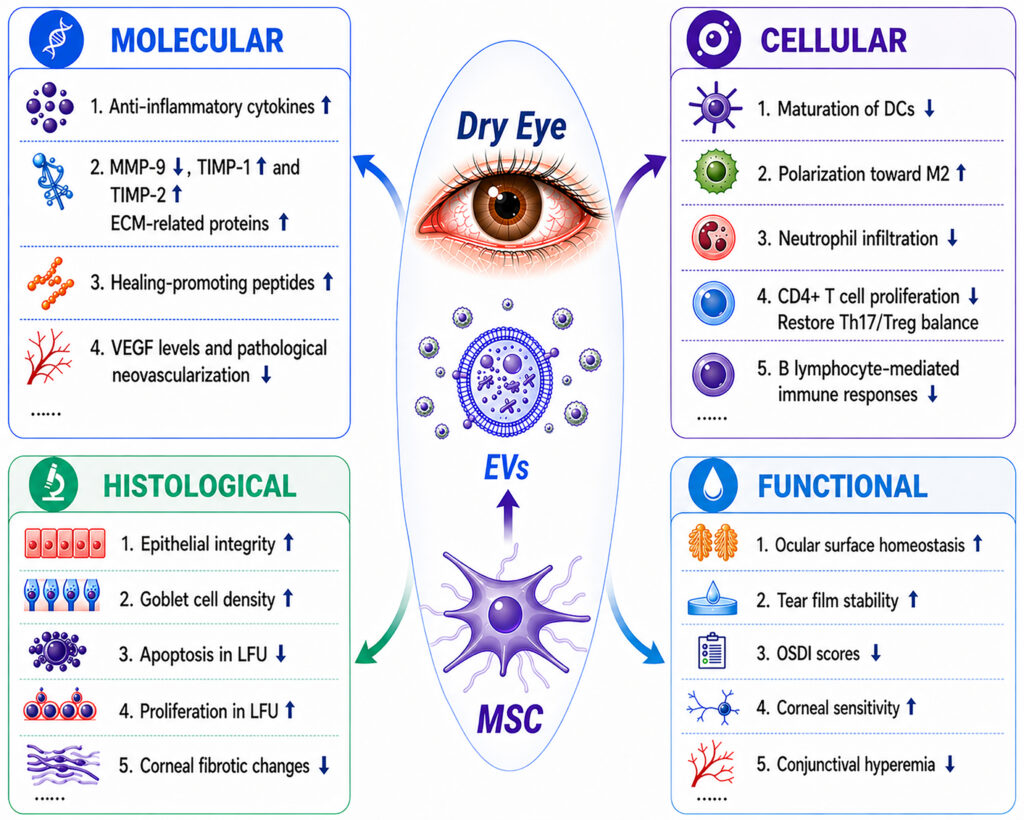
MSCs release a complex mixture of biologically active molecules, including growth factors, cytokines, regulatory proteins, lipids and extracellular vesicles. These signals can influence neighboring epithelial, immune and stromal cells.
This makes MSCs particularly interesting for DED because the disease is not caused by the loss of a single cell type.
The therapeutic objective is often to modify the environment surrounding damaged cells.
Reviews of MSC-based therapy for DED describe several potentially relevant mechanisms, including anti-inflammatory activity, immune regulation, tissue repair and support of ocular-surface regeneration. Recent clinical reviews continue to identify MSC therapy as a promising but still investigational approach, particularly for severe disease.
Bone-Marrow-Derived MSCs
Bone-marrow-derived MSCs are one of the classical MSC populations used in regenerative medicine.
They have extensive experimental characterization and can produce immunomodulatory and trophic factors relevant to tissue repair.
In DED models, bone-marrow-derived MSCs have been investigated for their ability to influence inflammation and support the recovery of damaged ocular tissues.
Their potential advantages include extensive research experience and a well-established biological profile.
However, they are not necessarily the only or universally superior source of MSCs.
The biological properties of MSCs can vary according to tissue origin, donor characteristics, culture conditions and manufacturing methods.
Therefore, “MSC therapy” should not be considered a single standardized treatment.
A bone-marrow MSC product and an umbilical-cord MSC product may have different secretomes and different biological activities.
This is one reason why future regenerative ophthalmology is likely to become increasingly cell-source specific.
Adipose-Derived Stromal Cells
Adipose-derived stromal/stem cells (ADSCs or ASCs) are another important candidate.
Adipose tissue is relatively accessible, and adipose-derived cells can exhibit both regenerative and immunomodulatory properties.
Their potential relevance to the cornea is particularly interesting because adipose-derived MSCs release extracellular vesicles containing proteins, lipids and regulatory RNAs.
Experimental and translational literature has investigated their effects on corneal epithelial repair, inflammation and tissue regeneration.
An important clinical development has been the investigation of adipose-derived MSCs in patients with aqueous-deficient DED associated with Sjögren's syndrome.
A randomized clinical trial evaluated allogeneic adipose-derived MSCs delivered into the lacrimal gland in patients with severe Sjögren-related DED. The study provides an important example of how regenerative medicine can target the source of tear-production failure rather than only treating the ocular surface.
This distinction is important.
If the dominant problem is lacrimal-gland dysfunction, treating the ocular surface alone may not address the underlying biological deficit.
Umbilical-Cord and Wharton's Jelly MSCs
Umbilical-cord-derived MSCs and Wharton's jelly MSCs have attracted considerable interest in regenerative medicine.
These cells possess a strong paracrine profile and can release extracellular vesicles containing proteins, lipids and regulatory RNAs.
For ocular-surface disease, this secretome is potentially more important than direct differentiation.
Recent reviews specifically identify umbilical-cord-derived MSC extracellular vesicles as among the promising candidates for future translation in DED. However, most evidence remains preclinical and questions concerning manufacturing, characterization, potency, stability and long-term safety remain unresolved.
This leads to an important emerging concept:
The therapeutic product may ultimately be the biological information released by the cell rather than the cell itself.
Tissue-Specific Progenitor Cells
MSCs are not the only cellular platform relevant to ocular regeneration.
The cornea contains highly specialized progenitor populations responsible for maintaining the epithelial surface.
Among the most important are limbal epithelial stem cells.
These cells reside in the limbal region surrounding the cornea and continuously replenish the corneal epithelium.
When limbal stem cells are severely damaged, limbal stem cell deficiency can develop. This may lead to conjunctivalization, persistent epithelial abnormalities, inflammation, vascularization and impaired vision.
For this specific condition, cell replacement has already progressed much further clinically than most MSC approaches for ordinary DED.
Cultivated limbal epithelial transplantation and related cell-based strategies have demonstrated the feasibility of restoring the corneal epithelial surface in appropriate patients.Stem Cell Therapy for Vision Restoration: Clinical Case Studies in Ophthalmology
However, this should not be confused with routine treatment of conventional dry eye.
Limbal stem-cell therapy is primarily a tissue-replacement strategy for limbal stem-cell deficiency, whereas MSC therapy for DED is generally being investigated as an immunomodulatory and regenerative strategy.
Corneal Epithelial Progenitor Cells and Cell-Derived Secretomes
Another interesting direction involves products derived from corneal epithelial stem/progenitor cells.
Pilot clinical research has investigated topical use of biological products derived from corneal epithelial stem-cell cultures in patients with severe DED. This illustrates the possibility of using biological signals produced by regenerative cells without necessarily transplanting the cells themselves.
This concept is particularly relevant because the ocular surface is highly accessible.
A cell does not necessarily have to survive permanently in the eye to produce a therapeutic effect.
It may instead release signals that:
- reduce inflammatory activation;
- stimulate epithelial migration;
- support cell survival;
- modify extracellular matrix remodeling;
- influence local immune cells;
- enhance barrier restoration.
This is the conceptual foundation of secretome-based regenerative ophthalmology.
Extracellular Vesicles: The Cell-Free Side of Regenerative Medicine
Extracellular vesicles have become one of the rapidly developing areas of regenerative medicine.
EVs are membrane-enclosed particles released by cells and capable of transporting biologically active cargo.
Their cargo can include:
- proteins;
- lipids;
- messenger RNAs;
- microRNAs;
- regulatory signaling molecules.
Exosomes are one class of extracellular vesicles, although modern scientific terminology increasingly favors the broader term extracellular vesicles unless a specific biogenesis pathway has been demonstrated.
For patients, the important concept is simpler:
Cells can communicate with damaged tissue by releasing microscopic biological packages that influence the behavior of recipient cells.
MSC-derived EVs are therefore being investigated as a form of “cell-free regenerative therapy.”
Recent systematic reviews describe anti-inflammatory, immunomodulatory and tissue-reparative properties of MSC-derived EVs in experimental DED.
Why Extracellular Vesicles Are Particularly Interesting for the Eye
The ocular surface offers a unique advantage for cell-free therapies.
Topical delivery can potentially place biologically active vesicles directly onto the damaged surface.
Experimental studies have investigated MSC-derived EVs as topical ophthalmic preparations.
Potential effects include:
- reduction of ocular-surface inflammation;
- protection of epithelial cells;
- improvement of epithelial barrier function;
- modulation of macrophage activity;
- support of tear-film stability;
- reduction of oxidative stress;
- promotion of tissue repair.
A 2025 systematic review of extracellular vesicles in DED and Sjögren's syndrome identified evidence from in-vitro and animal studies showing improved tear production, reduced inflammatory-cell infiltration, improved corneal structure, reduced epithelial apoptosis and modulation of inflammatory cytokine responses.
This makes EV-based eye drops conceptually attractive as a maintenance component of regenerative therapy.
However, there is an important clinical distinction.
Experimental exosome or EV eye drops should not automatically be considered equivalent to an approved pharmaceutical ophthalmic product.
Manufacturing, sterility, potency, particle characterization, storage stability and dosing standardization remain major translational issues. A 2026 review specifically emphasizes that most MSC-EV evidence in DED remains preclinical and that standardized production, pharmacological characterization and long-term safety remain important barriers to clinical translation.
The “Home Therapy” Concept
A particularly interesting regenerative strategy is to distinguish between the initial cellular intervention and longer-term biological support.
The initial intervention may be designed to modify the local inflammatory and regenerative environment.
The subsequent home-based component could theoretically maintain that environment using cell-derived products such as extracellular vesicles or conditioned biological factors.
Conceptually:
Cell therapy → tissue microenvironment modulation → EV/secretome support → epithelial repair and homeostasis.
This is biologically attractive because regenerative processes do not necessarily occur immediately after a single cellular intervention.
Tissue remodeling can continue for weeks or months.
However, the exact composition, frequency and duration of an EV-based ophthalmic treatment must be determined by validated clinical protocols rather than extrapolated from experimental studies.
Parabulbar Delivery: Where Does It Fit?
Parabulbar administration is conceptually different from topical eye drops.
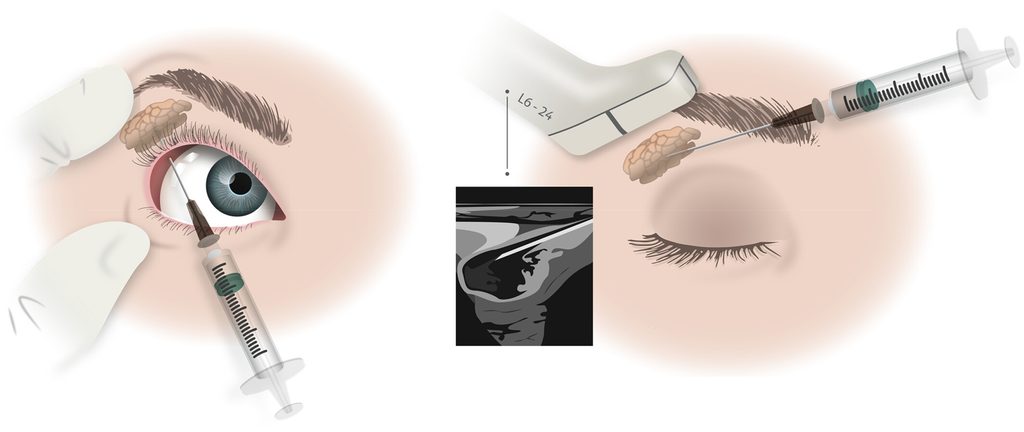
The purpose of a periocular delivery route is to place a biological product closer to the ocular tissues than systemic administration would.
For regenerative medicine, this creates a potential local-delivery strategy.
The theoretical objectives include:
- increasing local exposure;
- reducing dependence on systemic distribution;
- supporting periocular and ocular-surface tissues;
- influencing inflammatory signaling around the eye;
- potentially supporting lacrimal or surrounding tissues.
However, the evidence base needs to be described carefully.
Parabulbar administration of stem cells should currently be regarded as an investigational approach rather than an established standard treatment for ordinary dry eye disease.
The strongest human clinical evidence in DED has involved other routes, including lacrimal-gland administration of adipose-derived MSCs in Sjögren-related aqueous-deficient disease. Clinical studies of lacrimal-gland-directed MSC therapy provide proof-of-concept that cellular treatment can be aimed at the underlying tear-production system rather than only the ocular surface.
Therefore, a scientifically responsible regenerative protocol should not claim that parabulbar injection is already proven superior to topical, lacrimal-gland, subconjunctival or systemic approaches.
Instead, route selection should be determined by the underlying phenotype and by the specific cellular product being studied.
Why One Cell Type May Not Be Enough
Dry eye is biologically heterogeneous.
One patient may primarily have:
aqueous-deficient disease
with impaired lacrimal-gland function.
Another may have:
evaporative dry eye
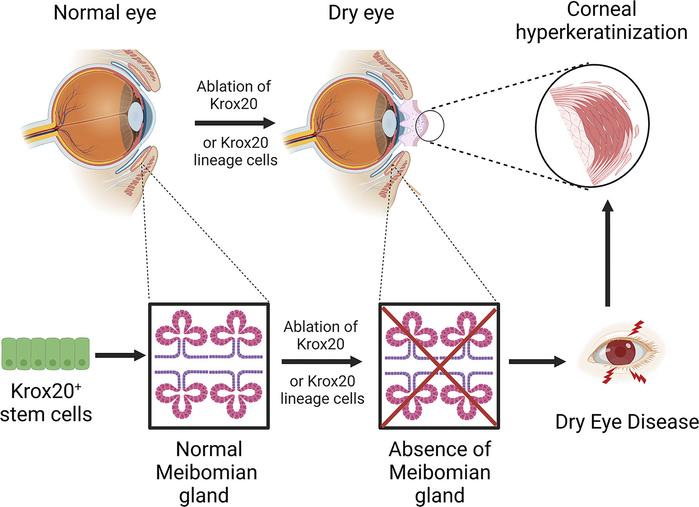
associated with meibomian-gland dysfunction.
Another may have:
inflammatory autoimmune DED
such as Sjögren syndrome.
Another may have:
ocular-surface epithelial dysfunction
after surgery, chronic medication exposure or injury.
And some patients have a combination of all these mechanisms.
Therefore, the future of regenerative medicine may not involve one universal “dry-eye stem cell.”
Instead, therapy could become phenotype-directed.
A Multicellular Regenerative Concept
A theoretical multimodal strategy could use different biological products for different pathological targets.
MSCs — immune and stromal regulation
MSCs may be selected when the dominant therapeutic objective is:
- immunomodulation;
- reduction of chronic inflammation;
- trophic support;
- modulation of the tissue microenvironment.
Tissue-specific epithelial progenitors — surface regeneration
Corneal or limbal epithelial progenitor cells are conceptually more appropriate when the primary problem involves epithelial stem-cell deficiency or profound epithelial failure.
Lacrimal-gland-directed cells — tear-production restoration
For severe aqueous-deficient DED, cellular approaches directed toward lacrimal-gland regeneration are being investigated.
Extracellular vesicles — biological signaling
EVs may provide a cell-free mechanism for delivering regulatory cargo to epithelial and immune cells.
Conditioned media or secretome — broader paracrine support
Conditioned media contains soluble factors released by regenerative cells and may provide another cell-free approach.
This creates a potential hierarchy:
cell replacement when cells are missing → cell-mediated immunomodulation when the environment is abnormal → EV/secretome support when signaling needs to be sustained.
This is considerably more sophisticated than simply “injecting stem cells.”
Why MSCs and Extracellular Vesicles May Complement Each Other
The combination of cellular and cell-free approaches is biologically attractive because they address different stages of tissue repair.
MSCs can act as dynamic biological factories.
They respond to the local microenvironment and release regulatory molecules.
Extracellular vesicles can function as concentrated communication packages.
A combined strategy could therefore theoretically provide:
MSCs
→ local immunomodulation and trophic signaling
MSC secretome
→ soluble regenerative factors
extracellular vesicles
→ transfer of regulatory proteins and RNAs
topical ocular delivery
→ repeated exposure of the damaged surface
The objective would not be to “add more cells” indefinitely.
The objective is to create a microenvironment in which the patient's own epithelial and stromal cells can recover their normal function.
The Role of Inflammation
One of the most important targets in regenerative DED therapy is chronic inflammation.
Inflammation is not simply a consequence of dry eye.
It can become one of the mechanisms that maintains the disease.
Activated immune cells can release inflammatory mediators that damage epithelial cells and disrupt ocular-surface homeostasis.
MSC-derived EVs have attracted interest because experimental studies suggest that they can influence macrophage polarization and other immune pathways.
Recent systematic reviews describe effects of MSC-derived EVs on inflammatory signaling and macrophage activity in experimental ocular-surface disease.
This creates an important therapeutic principle:
Regeneration cannot be separated from immunological control.
A damaged ocular surface may have difficulty regenerating if the inflammatory microenvironment remains continuously hostile to epithelial repair.
Oxidative Stress and Mitochondrial Protection
Inflammation and oxidative stress are closely connected.
The ocular surface is continuously exposed to environmental stress, ultraviolet radiation, air pollution, low humidity and mechanical forces from blinking.
During chronic disease, excessive reactive oxygen species can further impair epithelial function.
This has led to interest in regenerative products capable of influencing oxidative stress in addition to inflammation.
Engineered MSC-derived EVs are being investigated experimentally as carriers of additional antioxidant or regenerative cargo.
Some experimental systems have combined MSC-EVs with antioxidant materials to improve corneal epithelial recovery in dry-eye models.
This is still a research-stage concept, but it illustrates how regenerative medicine is moving from simple cell transplantation toward engineered biological signaling systems.
Lacrimal Gland Regeneration
The lacrimal gland deserves special attention.
In aqueous-deficient dry eye, the central problem may not be the corneal epithelium itself.
The eye may simply not be receiving sufficient aqueous tear production.
For this phenotype, the most logical regenerative target is the lacrimal gland.
Experimental research has investigated MSCs, epithelial progenitors, side-population cells, growth factors and tissue-engineering strategies for lacrimal-gland regeneration.
Human clinical research has also begun to explore this concept.
A randomized clinical trial of allogeneic adipose-derived MSCs in severe Sjögren-related DED specifically targeted the lacrimal gland rather than relying exclusively on topical ocular therapy.
A more recent small clinical study also reported improvements in OSDI, tear-film breakup time, Schirmer testing, corneal staining and tear osmolarity following autologous adipose-derived MSC transplantation into the lacrimal gland in patients with Sjögren syndrome. Because of the small sample size, however, these findings should be regarded as preliminary rather than definitive proof of efficacy.How stem cells can help with eyes diseases?
This is a particularly important example of regenerative medicine because it illustrates the principle of:
treating the source of the problem rather than only treating its consequences.
What Could a Multimodal Regenerative Program Look Like?
A scientifically reasonable conceptual program can be divided into several stages.
Phenotyping
Before selecting a cellular therapy, the patient should be evaluated for:
- aqueous tear deficiency;
- evaporative disease;
- meibomian-gland dysfunction;
- ocular-surface inflammation;
- corneal epithelial injury;
- autoimmune disease;
- lacrimal-gland dysfunction;
- neuropathic ocular pain;
- medication-related ocular-surface disease.
This step is essential because two patients with the same “dry eye” diagnosis may have completely different biological mechanisms.
Biological intervention
The cellular component would be selected according to the dominant pathological target.
MSCs may be appropriate for an immunomodulatory/regenerative strategy.
Tissue-specific epithelial cells may be relevant when epithelial progenitor deficiency is central.
Lacrimal-gland-directed cellular therapy may be considered in research settings for severe aqueous-deficient disease.
Local ocular support
Topical regenerative products such as extracellular vesicles or cell-derived secretome are being investigated as ways to influence the ocular surface repeatedly.
Long-term monitoring
Response should not be judged solely by whether the patient reports that the eyes “feel better.”
Objective assessment can include:
- Schirmer testing;
- tear-film break-up time;
- corneal fluorescein staining;
- ocular-surface inflammation;
- meibomian-gland assessment;
- tear osmolarity;
- patient-reported symptom scores such as OSDI.
These parameters help determine whether the therapy is actually modifying ocular-surface biology.
What Does the Clinical Evidence Show?
The clinical evidence is becoming increasingly encouraging but remains immature.
The 2026 systematic review and meta-analysis of human stem-cell-based DED studies included six studies and 131 patients. The pooled results showed improvements in tear production, tear-film stability, corneal epithelial integrity and symptoms. .
A separate 2026 meta-analysis focusing specifically on Sjögren-associated dry eye included five studies and 114 patients and found improvements in OSDI, Schirmer testing and tear-film stability.
It means that regenerative treatment is no longer purely theoretical.
There is now human clinical evidence suggesting measurable biological and symptomatic improvements.
However, it would be scientifically incorrect to conclude that one specific stem-cell type or one injection route has already been established as the universal treatment for DED.
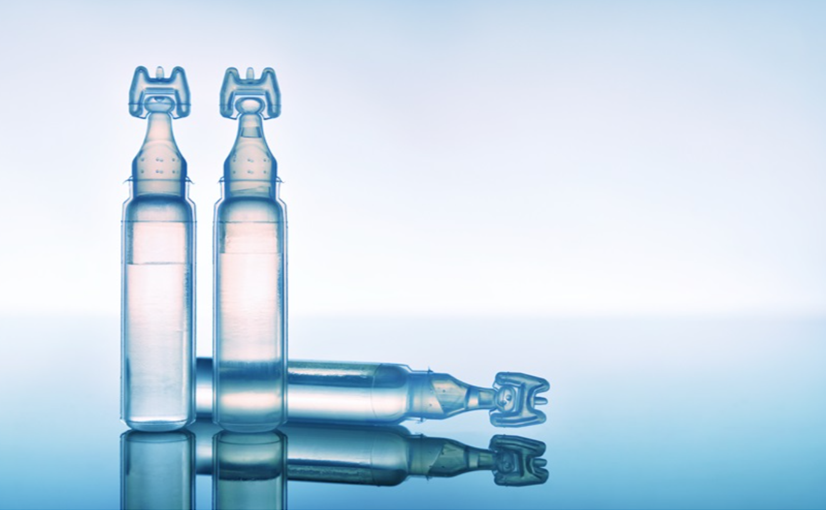
What About Exosome Eye Drops?
This is one of the most interesting areas for patients.
Their advantages include:
- non-cellular composition;
- potentially lower immunogenicity than living-cell transplantation;
- ability to carry multiple biological signals;
- topical accessibility;
- potential for repeated administration;
- compatibility with regenerative strategies targeting epithelial repair.
Recent reviews describe improvements in tear-film stability, corneal epithelial integrity and inflammatory responses following MSC-derived EV treatment.
A clinically meaningful EV product requires appropriate characterization of:
- source cells;
- manufacturing conditions;
- purification;
- particle identity;
- cargo;
- sterility;
- potency;
- stability;
- storage conditions.
Without such characterization, two products called “exosomes” may not be biologically equivalent.
“Functional Vesicles” and the Next Generation of Regenerative Therapy
The phrase functional extracellular vesicles is increasingly useful for describing engineered or specifically characterized EV products.
Instead of using naturally produced vesicles without modification, researchers are investigating ways to influence their cargo.
Potential strategies include:
- donor-cell preconditioning;
- enrichment of specific regulatory molecules;
- loading of therapeutic cargo;
- surface modification;
- combination with biomaterials;
- improved ocular retention.
The objective is to transform EVs from relatively nonspecific biological products into more predictable therapeutic platforms.
For example, future EV products could theoretically be optimized for:
anti-inflammatory signaling
or
epithelial regeneration
or
oxidative-stress control
rather than attempting to make one product perform every function.
This is one of the promising directions in regenerative ophthalmology, although it remains largely experimental.
Why Combination Therapy May Become More Important
The biology of DED strongly supports a combination approach.
Consider a patient with severe aqueous-deficient inflammatory dry eye.
One intervention may reduce inflammation.
Another may support lacrimal-gland function.
Another may stimulate epithelial repair.
A topical EV product could then potentially support the recovering ocular surface.
In conceptual terms:
immune modulation + tissue regeneration + epithelial support + extracellular-vesicle signaling
may be more biologically logical than relying on a single mechanism.
This does not mean that combinations have already been proven superior in randomized clinical trials.
Rather, it represents a rational research direction based on the multifactorial biology of DED.
MSCs Versus Tissue-Specific Cells
| Cell or product | Main biological role | Potential DED target | Current evidence |
|---|---|---|---|
| Bone-marrow MSCs | Immunomodulation, trophic signaling | Inflammation, tissue repair | Preclinical/early clinical |
| Adipose-derived MSCs | Immunomodulation, regenerative signaling | Severe DED, lacrimal dysfunction | Early clinical + preclinical |
| Umbilical-cord MSCs | Paracrine and immunomodulatory effects | Ocular-surface inflammation | Clinical |
| Wharton's jelly MSCs | Regenerative secretome | Ocular-surface repair | Mostly experimental |
| Limbal epithelial stem cells | Direct epithelial regeneration | Limbal stem-cell deficiency | Established clinical applications in selected disease |
| Corneal epithelial progenitor products | Epithelial support | Severe ocular-surface injury/DED | Early clinical |
| MSC-conditioned medium | Soluble regenerative factors | Epithelial injury | Preclinical |
| MSC-derived EVs/exosomes | Cell-free signaling | Inflammation, epithelial repair | Clinical |
| Engineered EVs | Targeted biological signaling | Inflammation/oxidative stress/repair | Early clinical |
The important conclusion is that there is no single “best” regenerative cell for every form of dry eye.
Patients should ask:
- What type of cells are being used?
- Where are they derived from?
- Are they expanded or minimally manipulated?
- How are they characterized?
- Is the treatment part of a regulated clinical trial or an approved indication?
- What clinical evidence exists for this specific product?
- What is known about long-term safety?
- How are extracellular vesicles characterized and tested?
These questions are more informative than simply asking whether a clinic “uses stem cells.”
The Most Important Principle: Match the Therapy to the Pathology
The most important concept for patients is simple:
Dry eye is not one disease.
Therefore, regenerative treatment should not be one universal protocol.
For a patient with predominant lacrimal-gland failure, the regenerative target may be the lacrimal gland.
For a patient with severe inflammatory disease, immunomodulatory cellular therapy may be more relevant.
For a patient with profound epithelial stem-cell deficiency, tissue-specific epithelial cell therapy may be more logical.
For a patient whose main problem is ocular-surface inflammation and epithelial instability, cell-derived extracellular vesicles may represent a particularly attractive research direction.
The most sophisticated approach is therefore not:
“Which stem cells are strongest?”
It is:
“Which biological defect is driving this patient's disease, and which cellular or cell-derived product is most biologically suited to correcting it?”
A Potential Regenerative Model for Severe Dry Eye
A future multimodal model could theoretically be structured around three therapeutic levels.
Cellular regeneration
A selected cell population is used to modify the pathological tissue environment.
Depending on the phenotype, this could involve MSCs, adipose-derived stromal cells, umbilical-cord-derived MSCs or specialized epithelial progenitor cells.
Local regenerative signaling
Cell-derived secretome or extracellular vesicles provide biological signals that influence epithelial, immune and stromal cells.
Long-term ocular-surface support
A topical cell-free regenerative preparation could theoretically maintain the pro-reparative environment while the ocular surface undergoes gradual remodeling.
This three-level concept is scientifically attractive because it recognizes that tissue regeneration is a process rather than a single event.
What Patients Should Realistically Expect
Regenerative medicine should not be presented as an instant cure.
The goal is not simply to make the eyes feel lubricated immediately.
The biological objective is to improve the environment in which the ocular surface maintains itself.
Potential treatment goals may include:
- improving tear production;
- improving tear-film stability;
- reducing epithelial damage;
- decreasing inflammatory activity;
- supporting corneal epithelial repair;
- improving ocular comfort;
- reducing dependence on purely symptomatic treatment;
- supporting long-term ocular-surface homeostasis.
However, the magnitude and duration of these effects vary between patients.
The best current evidence suggests that cell-based therapies can produce measurable improvements in selected patients, but larger controlled studies are still required to determine which cell sources, routes and combinations provide the greatest benefit.
Selected Scientific References
Chen K-Y, Chan H-C, Chan C-M. Efficacy and safety of stem cell therapy for dry eye disease: a systematic review and meta-analysis. Stem Cell Research & Therapy. 2026;17:224. This is one of the most recent human evidence syntheses, including six studies and 131 patients.
Møller-Hansen M, et al. Allogeneic mesenchymal stem cell therapy for dry eye disease in patients with Sjögren's syndrome: A randomized clinical trial. Ocular Surface. 2024. Randomized clinical evaluation of allogeneic adipose-derived MSCs directed to the lacrimal gland in severe Sjögren-associated DED.
Zhang J, Wang W, Li C. Efficacy and safety of stem cell therapy for dry eye syndrome in Sjögren's syndrome: a systematic review and meta-analysis. Frontiers in Immunology. 2026. A systematic synthesis specifically addressing stem-cell therapy for Sjögren-associated dry eye.
Chopra P, et al. Extracellular vesicles in dry eye disease and Sjögren's syndrome: A systematic review on their diagnostic and therapeutic role. Survey of Ophthalmology. 2025;70(3):499–515. Comprehensive review of EV biology and therapeutic evidence in DED and Sjögren syndrome.
Feng Y, Zhang M. Mesenchymal stem cell-derived extracellular vesicles for dry eye disease: principles, progress, and challenges. Exploration of Ver... 2026;7(2):973–1009. Detailed review of MSC-EV mechanisms, topical applications, engineering approaches and barriers to clinical translation.
Fu L, et al. Evaluating the efficacy of stem cells in treating severe dry eye disease. World Journal of Stem Cells. 2025. Review of MSC-based regenerative strategies for severe DED, including lacrimal-gland and corneal regeneration.
Wang Y-X, et al. Mesenchymal stem cell therapy in autoimmune eye diseases: Focus on dry eye diseases and autoimmune uveitis. Experimental Eye Research. 2026. Recent review addressing MSC mechanisms and translational challenges in autoimmune ocular disease.
Therapeutic Potential of Adipose-Derived Mesenchymal Stem Cells Transplantation into the Lacrimal Gland in Patients with Sjögren Syndrome. Recent clinical study reporting preliminary improvements in symptoms and objective ocular-surface parameters following lacrimal-gland-directed ASC therapy.
Mesenchymal Stem Cell-Sourced Exosomes as Potentially Novel Remedies for Severe Dry Eye Disease. Journal of Ophthalmology. 2025. Review of the anti-inflammatory, immunomodulatory and regenerative mechanisms proposed for MSC-derived exosomes.
Cell Free Regenerative Extracellular Vesicle Therapy for Ocular Diseases. Recent review of EV-based cell-free regenerative approaches across ocular diseases, including DED.