Bioidentical hormones therapy for weight loss
Read: losing weight becomes more difficult as you age due to a number of factors that affect your metabolism, activity level, and hormonal balance.
Losing weight becomes more difficult as you age due to a number of factors that affect your metabolism, activity level, and hormonal balance. Here are the main reasons:
Metabolism Slowing: As you age, your metabolism naturally slows down, which means your body burns fewer calories at rest. This is due to a decrease in muscle mass and changes in how your internal organs work.
Loss of Muscle: After age 30, there is a gradual loss of muscle mass (sarcopenia). Muscle burns more calories than fat, so its loss leads to a slower metabolism.
Hormonal Changes: As men and women age, hormonal changes occur, such as decreased testosterone and estrogen levels. These changes can contribute to fat accumulation, especially in the belly, and slow down your metabolism.
Decreased Physical Activity: Many people become less active as they age due to busy schedules, fatigue, or health issues. A decrease in activity levels directly affects the number of calories you burn.
Lifestyle changes: As people age, their eating habits and daily activities often change, which may include eating less healthy foods and spending more time sitting.
Insulin resistance: Some people may develop insulin resistance as they age, which makes it harder for them to process sugar and encourages fat storage.Stress and Lack of Sleep: As we age, stress levels can increase due to family and work responsibilities, which can lead to increased levels of cortisol, a hormone that promotes fat accumulation, especially in the abdominal area. Lack of sleep also disrupts metabolism.
Today, bioidentical hormone pellets are an excellent alternative for weight loss. Their uniqueness lies in their 100% identity in chemical composition to human hormones.
Bioidentical hormone pellets and hormone replacement therapy (HRT) are used to correct hormonal imbalances, but are often perceived differently in terms of safety and effectiveness. Let's look at why some consider bioidentical hormone pellets to be safer than traditional HRT:
Similarity to natural hormones: Bioidentical hormones have the same molecular structure as the natural hormones produced by the human body. This can improve their uptake and absorption by the body, reducing the risk of side effects that sometimes occur with synthetic hormones.
Gradual release: Pellets are injected subcutaneously and the hormones are released gradually, maintaining stable hormone levels over several months. This can reduce the fluctuations in hormone levels and side effects often associated with pills or patches.
Individualized dosage: Bioidentical hormone pellets are often individually tailored based on careful blood testing and symptom assessment.This allows for a more precise match to the patient's needs, resulting in better hormonal balance.
Fewer Side Effects: Bioidentical hormones are thought to cause fewer side effects than synthetic hormones, which may have a different molecular composition. This may reduce the risk of complications such as blood clots, cardiovascular disease, and cancer.
Why is HRT perceived differently?
HRT traditionally uses synthetic hormones or hormones derived from natural sources, but not always identical to human hormones. Such hormones may have a slightly different structure, which sometimes leads to different body reactions and side effects. For example, some studies have shown that the use of synthetic estrogens and progestins is associated with an increased risk of certain diseases.
Let's look at the main pellets for weight loss (weight loss) today.

Metformin pellet:
Helps control blood sugar levels, but is also known to promote weight loss in some patients. Here's how metformin may help with weight loss:
1. Improving insulin sensitivity
Metformin improves tissue sensitivity to insulin, which helps cells use glucose more efficiently. When insulin works better, blood sugar levels stabilize and there's less excess insulin, which can contribute to fat storage.
2. Decreasing appetite
Some people taking metformin report a decrease in appetite. The mechanism by which this works is not yet fully understood, but it's thought that the drug may affect levels of hunger and satiety hormones.
3.Slowing Carbohydrate Absorption
Metformin can slow the absorption of carbohydrates in the intestines, which reduces the sharp fluctuations in blood sugar levels after meals. This can help reduce cravings for sweet and high-calorie foods.
4. Reducing Fat Storage
Metformin helps prevent the formation of fat deposits in the liver and other organs, which can help with overall weight loss. It can also reduce lipogenesis (the formation of new fat cells) and increase lipolysis (the breakdown of fats).
5. Antioxidant Action
Some studies suggest that metformin has antioxidant properties that may reduce inflammation in the body. Inflammation is associated with obesity, so reducing it may be helpful for maintaining a healthy weight.
Metformin may be a useful tool in a comprehensive weight loss strategy, especially for people with insulin resistance or metabolic disorders. However, it is most effective when combined with changes in diet and physical activity.
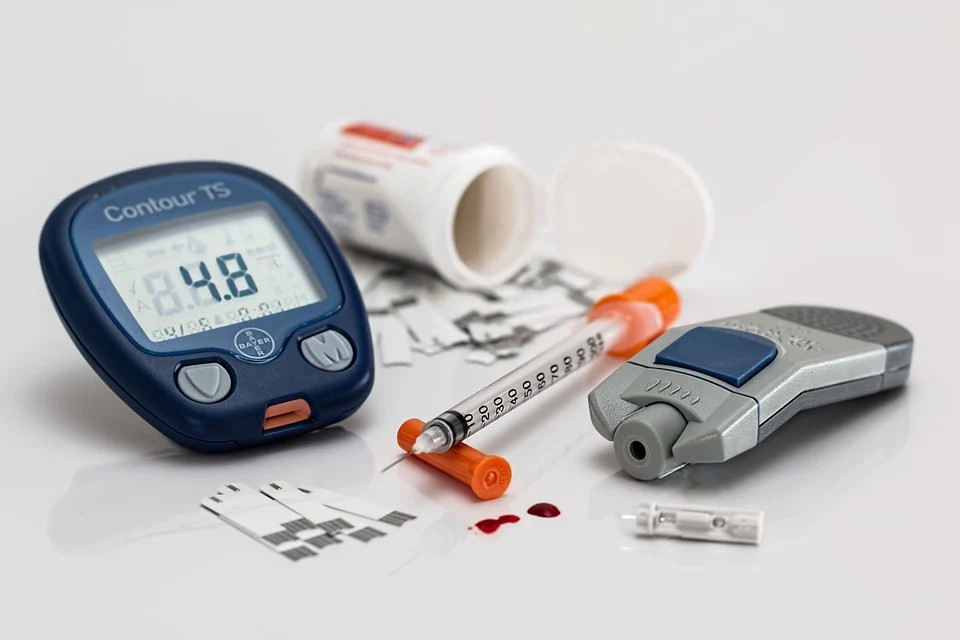
Sitagliptin Pellet:
Belongs to a class of drugs called dipeptidyl peptidase-4 (DPP-4) inhibitors, which help regulate blood sugar levels by affecting hormones known as incretins. Sitagliptin's primary action is to improve blood glucose control, but its effects on weight loss are more indirect. Here's how sitagliptin may help you lose weight:
1.Blood Sugar Management
Sitagliptin helps increase levels of incretins (such as GLP-1), which stimulate insulin production in response to food intake and suppress the secretion of glucagon (a hormone that increases blood sugar). This helps improve sugar control, which can prevent sudden swings and reduce cravings for food, especially sweets.
2. Suppressing appetite
The incretins that sitagliptin stimulates also play a role in regulating appetite. They can slow down the emptying of the stomach, which increases the feeling of fullness after eating. This can help a person consume fewer calories, which can help with weight loss.
3. Reducing fat accumulation
While sitagliptin does not directly promote weight loss, its effects on glucose metabolism may help reduce fat accumulation, especially when combined with proper diet and exercise.
4. Improving insulin sensitivity
Sitagliptin helps improve insulin sensitivity, which reduces the workload on the pancreas and reduces insulin levels in the blood. Lower insulin levels may reduce fat accumulation, since excess insulin is associated with weight gain.
Not a primary weight loss drug: Although sitagliptin may promote weight loss, its effect in this regard is usually modest. It is not intended as a weight loss product and is used primarily to control blood sugar levels.
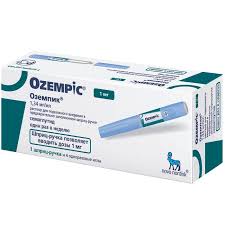
Semaglutide Pellet (Ozempic)
Ozempic (semaglutide) is a drug originally developed to treat type 2 diabetes. It belongs to the class of glucagon-like peptide-1 (GLP-1) receptor agonists and has become popular for weight control due to its effects on appetite and metabolism. Here's how Ozempic helps with weight loss:
1. Appetite Suppression
Ozempic acts on GLP-1 receptors in the brain, which regulate feelings of hunger and satiety.It increases the feeling of fullness after meals, which helps reduce the amount of food consumed. This leads to a decrease in overall calorie intake, which promotes weight loss.
2. Slowing down gastric emptying
The drug slows down the rate at which the stomach empties, which increases the feeling of fullness and reduces appetite for a longer period after eating. It also helps control blood sugar levels, preventing sharp spikes after meals.
3. Regulating blood sugar levels
Semaglutide helps control sugar levels by stimulating the production of insulin when blood glucose levels rise and suppressing the production of glucagon. This leads to more stable sugar levels, which helps with weight management. Since high insulin levels can promote fat storage, lowering them helps with weight loss.
4. Effect on adipose tissue
Studies show that GLP-1 agonists, including semaglutide, can help improve the metabolism of adipose tissue. This can promote the use of fat stores as a source of energy and reduce fat mass.
Weight Loss Efficiency
Clinical studies have shown that Ozempic leads to significant weight loss in people who are obese or overweight. On average, patients using semaglutide can lose 10-15% of their initial weight within a year. However, results may vary depending on individual factors, diet, and physical activity.
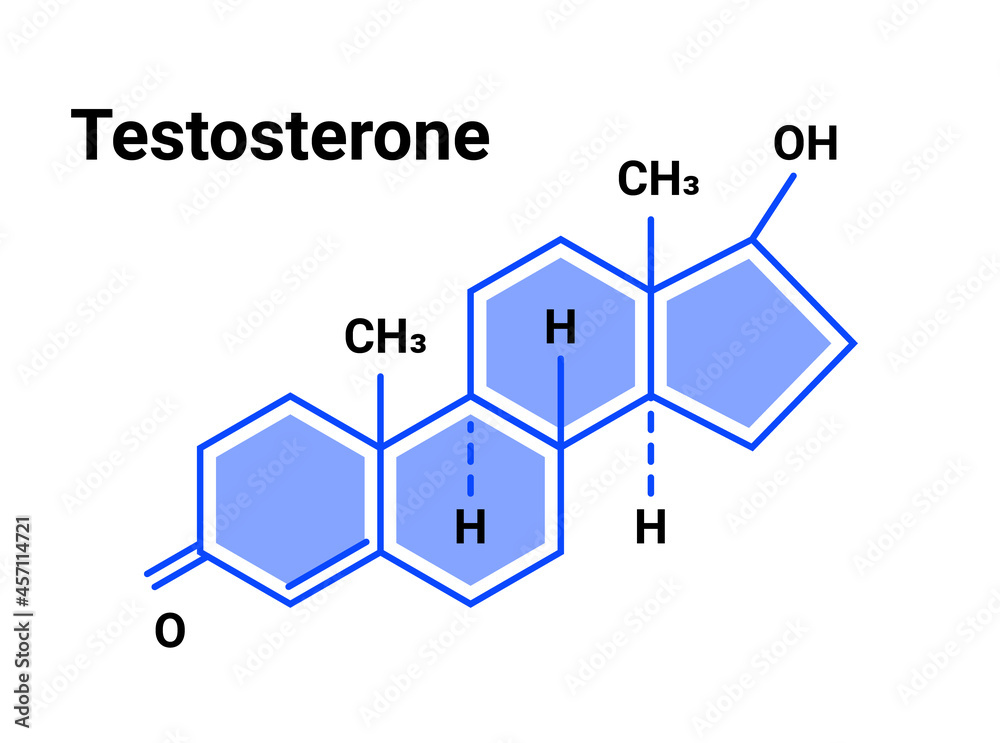
Testosterone Pellet:
It plays a key role in various functions in the body, including regulating body weight and body composition. Here’s how testosterone affects weight loss:
1. Increased Muscle Mass
Testosterone promotes muscle growth, which in turn helps speed up your metabolism. Muscle burns more calories than fat, even at rest. So, having a high level of muscle mass helps increase your overall calorie expenditure and promotes weight loss.
2. Fat Burning
Studies have shown that testosterone helps stimulate lipolysis (the breakdown of fat cells). The hormone activates beta-adrenergic receptors in adipose tissue, which promotes the release of fatty acids and reduces body fat.
3. Regulates Fat Distribution
Testosterone affects the distribution of body fat, helping to reduce the amount of visceral (internal) fat, which is stored around the internal organs and is associated with an increased risk of metabolic diseases. With low testosterone levels, men and women may notice an increase in fat in the abdominal area.
4. Maintaining Energy and Stamina
Testosterone helps maintain overall energy levels, stamina, and physical performance. People with normal testosterone levels often have more energy and motivation to exercise and be active, which is important for weight loss.
5. Effects on Metabolism
Testosterone affects metabolism by increasing the body’s ability to use glucose and improving insulin sensitivity. This can help prevent fat accumulation, especially when combined with a healthy diet and regular physical activity.
Problems of Low Testosterone:
Weight Gain: Low testosterone can lead to decreased muscle mass, increased fat mass, and an overall slower metabolism.
Decreased Energy and Motivation: Low testosterone levels can make you feel tired and less motivated to exercise, making it harder to lose weight.
Increased risk of metabolic disorders: People with low testosterone levels may have a higher risk of developing insulin resistance and metabolic syndrome, which makes it difficult to control weight.
Hormone therapy and weight loss:
In people with low testosterone levels, hormone replacement therapy can help restore testosterone levels and improve metabolism, which can help with weight loss. However, such therapy must be carried out under strict medical supervision to avoid side effects and maintain hormonal balance.
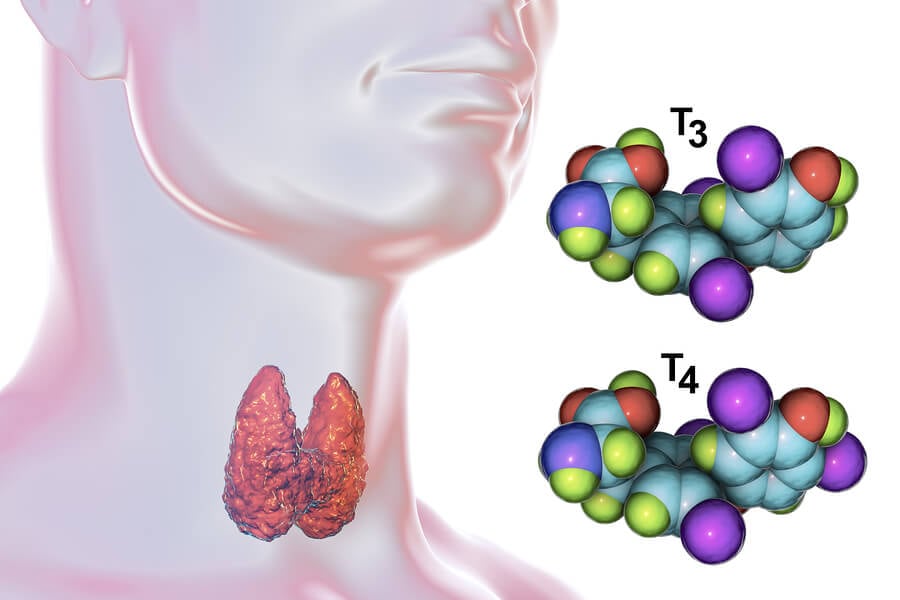
T3 and T4 Pellets
T3 (triiodothyronine) and T4 (thyroxine) hormones are produced by the thyroid gland and play a vital role in regulating metabolism.Their impact on weight loss is related to their effect on metabolic rate, energy use, and overall energy balance in the body. Here’s how these hormones affect weight loss:
1. Regulating Metabolism
T3 and T4 are key regulators of basal metabolic rate (BMR), which determines how many calories the body burns at rest. T3 is more active than T4 and has a powerful effect on cells, helping to speed up metabolism. When levels of these hormones are high enough, metabolism speeds up, which helps burn more calories and, therefore, lose weight.
2. Controlling Energy Use
T3 and T4 affect how the body uses nutrients for energy. These hormones stimulate cells to use glucose and fatty acids more efficiently, which helps burn fat stores and maintain energy balance.
3. Increasing Thermogenesis
The hormones T3 and T4 increase heat production in the body (thermogenesis), which also helps increase energy expenditure. This means that with sufficient levels of these hormones, the body begins to burn more calories even in the absence of physical activity.
4. Maintaining activity and endurance levels
T3 and T4 can affect energy levels and physical activity. People with normal levels of these hormones are often more active and have more endurance, which helps to increase physical activity and burn additional calories.
Problems with Not Enough Hormones:
Hypothyroidism: Low thyroid hormone levels, known as hypothyroidism, cause your metabolism to slow down. This can cause fatigue, low energy, and weight gain because your body burns fewer calories at rest.
Fluid Retention and Weight Gain: Hypothyroidism can cause your body to retain fluid, which can also cause weight gain.
Problems with Too Many Hormones:
Hyperthyroidism: Excess production of T3 and T4 (hyperthyroidism) causes your metabolism to speed up, which can cause excessive weight loss and even muscle loss. People with hyperthyroidism may experience increased anxiety, heart palpitations, and other symptoms.
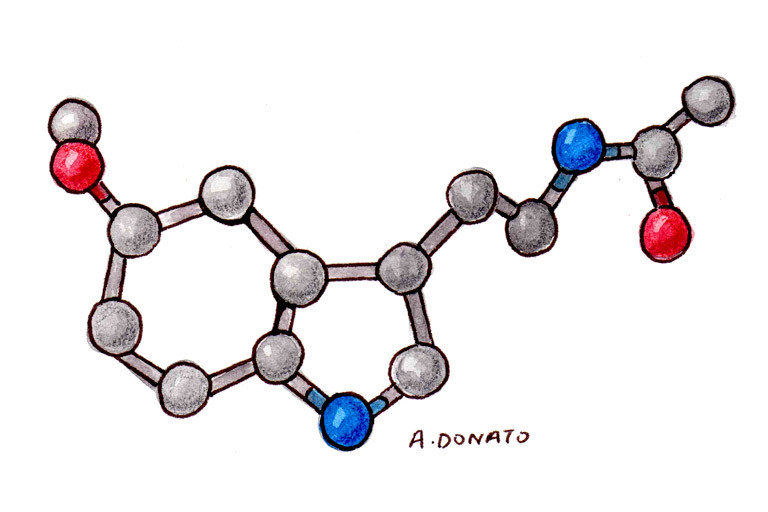
Melatonin Pellet:
Melatonin is a hormone produced by the pineal gland in your brain. It regulates your circadian rhythms and is responsible for managing your sleep-wake cycle. Although melatonin’s primary function is related to sleep, its impact on weight loss and metabolism is also noteworthy. Here’s how melatonin may impact your weight loss efforts:
1. Maintaining Healthy Sleep
Melatonin helps regulate the quality and duration of sleep. Poor sleep is associated with an increased risk of weight gain, as lack of sleep can affect appetite-regulating hormones such as ghrelin (stimulates appetite) and leptin (suppresses appetite).
Getting enough melatonin can help improve sleep, which helps maintain the balance of these hormones and prevent overeating.
2. Increased fat metabolism
Studies show that melatonin can help improve fat metabolism. It can activate brown adipose tissue, which is responsible for thermogenesis and calorie burning. Brown adipose tissue helps the body use energy reserves to maintain heat, which helps increase calorie expenditure.
3. Antioxidant and anti-inflammatory effects
Melatonin has antioxidant and anti-inflammatory properties that can positively affect metabolism and overall health. Reduced levels of chronic inflammation are associated with better weight and metabolic control.
4. Insulin regulation
Melatonin can affect insulin sensitivity. Optimal insulin regulation helps the body use glucose more efficiently and reduces the risk of developing insulin resistance, which is associated with weight gain and obesity.
5. Effect on stress hormones
Melatonin helps reduce the level of cortisol, a stress hormone that can stimulate fat accumulation, especially in the abdominal area. Reducing cortisol levels is associated with improved metabolism and weight loss
Important: there is no single treatment protocol for each patient when losing weight, because the patient's condition is determined by his medical history, age-related changes, diagnostic data, complaints, lifestyle.
When analyzing each patient, all factors influencing the patient's weight (metabolic, endocrine, hormonal, biochemical, energy) are considered. Only after this is an individual dosage of each necessary bio hormone selected, which can gently and correctly work on the result.